Powerful Winds and Flooding Devastate Pacific Communities
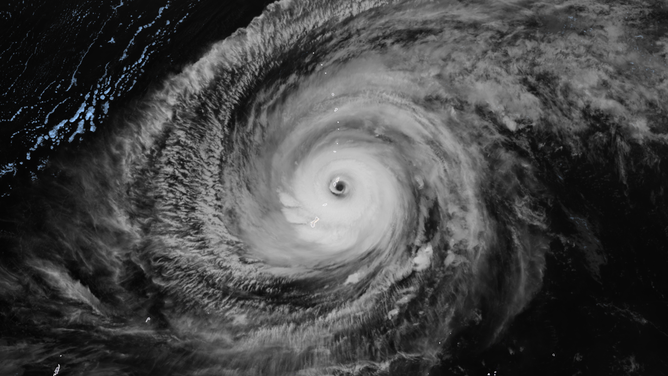
Super Typhoon Sinlaku has unleashed widespread destruction across the Northern Mariana Islands, particularly impacting Saipan and Tinian, where nearly 50,000 residents faced hours of intense winds and torrential rainfall. With sustained winds reaching up to 150 mph, the storm has been classified among the most powerful tropical cyclones recorded this year, causing structural damage, uprooting trees, and triggering severe flooding across multiple communities.
Early reports indicate that residential and commercial buildings suffered extensive damage, especially those constructed with lighter materials. In areas like Susupe, powerful gusts ripped roofs off buildings and overturned vehicles, leaving debris scattered across roads and neighborhoods. Floodwaters quickly accumulated as relentless rainfall overwhelmed drainage systems, forcing residents to remain indoors for safety.
Meteorological tracking tools such as <a href=”https://www.noaa.gov”>NOAA</a> and real-time monitoring platforms like <a href=”https://www.weather.gov”>National Weather Service</a> continue to provide updates as the storm progresses through the region, helping authorities coordinate emergency responses.
Emergency Response and Infrastructure Impact Across Guam and Beyond
The storm’s reach extended beyond the Northern Mariana Islands, bringing tropical storm-force winds and heavy rainfall to Guam, a key U.S. territory in the Pacific with significant military presence. Flash flooding and power outages were reported as critical infrastructure faced renewed strain from extreme weather conditions.
Emergency shelters were activated across affected regions, with organizations such as the <a href=”https://www.redcross.org”>American Red Cross</a> assisting more than 1,000 displaced residents. Local authorities have urged communities to remain indoors as hazardous conditions persist, with winds expected to remain dangerous even after the storm’s eye moves away.
Federal support has also been mobilized, with disaster response teams coordinating logistics and recovery efforts. Additional resources and preparedness guidelines are being shared through agencies like <a href=”https://www.fema.gov”>FEMA</a>, emphasizing the importance of readiness in regions frequently exposed to severe tropical systems.
Climate Patterns Intensify Storm Risks in the Pacific
The impact of Super Typhoon Sinlaku comes amid increasing concern over evolving climate patterns, particularly the anticipated development of El Niño conditions later this year. Scientists warn that such patterns can amplify global weather extremes, contributing to stronger storms, heavier rainfall, and prolonged droughts in different regions.
In the Pacific, where typhoons are already a regular occurrence, the intensity and timing of storms like Sinlaku highlight a shifting climate reality. While the region is accustomed to tropical systems, powerful storms forming outside the typical peak season raise concerns about long-term environmental changes.
Economic recovery remains a challenge for affected islands, many of which are still rebuilding from previous disasters and pandemic-related setbacks. The combination of repeated extreme weather events and fragile infrastructure underscores the growing urgency for resilient construction, improved disaster preparedness, and sustained federal support.
As Sinlaku continues its path toward less populated areas in the northern Pacific, authorities remain focused on assessing damage, restoring essential services, and ensuring the safety of thousands of residents impacted by one of the year’s most destructive storms.