The Death of Robin Hood offers a bold and unexpected interpretation of one of literature’s most enduring folk heroes. Directed by Michael Sarnoski, the filmmaker behind acclaimed dramas and suspense thrillers, the movie abandons traditional tales of noble rebellion in favor of a darker and more introspective journey. At the center of the story is Hugh Jackman, portraying an aging Robin Hood whose greatest battle is no longer against corrupt rulers but against the memories and consequences of his own past.
Set in 1247, the film introduces viewers to a world stripped of romanticism. The familiar image of the charismatic outlaw is replaced by a weary man burdened by years of violence and loss. Rather than celebrating heroic exploits, The Death of Robin Hood examines what happens when a legendary figure is forced to confront the true cost of the life he once embraced.
Additional information about the film industry and upcoming releases can be found at IMDb.
Hugh Jackman Delivers a Powerful Performance as an Aging Robin Hood
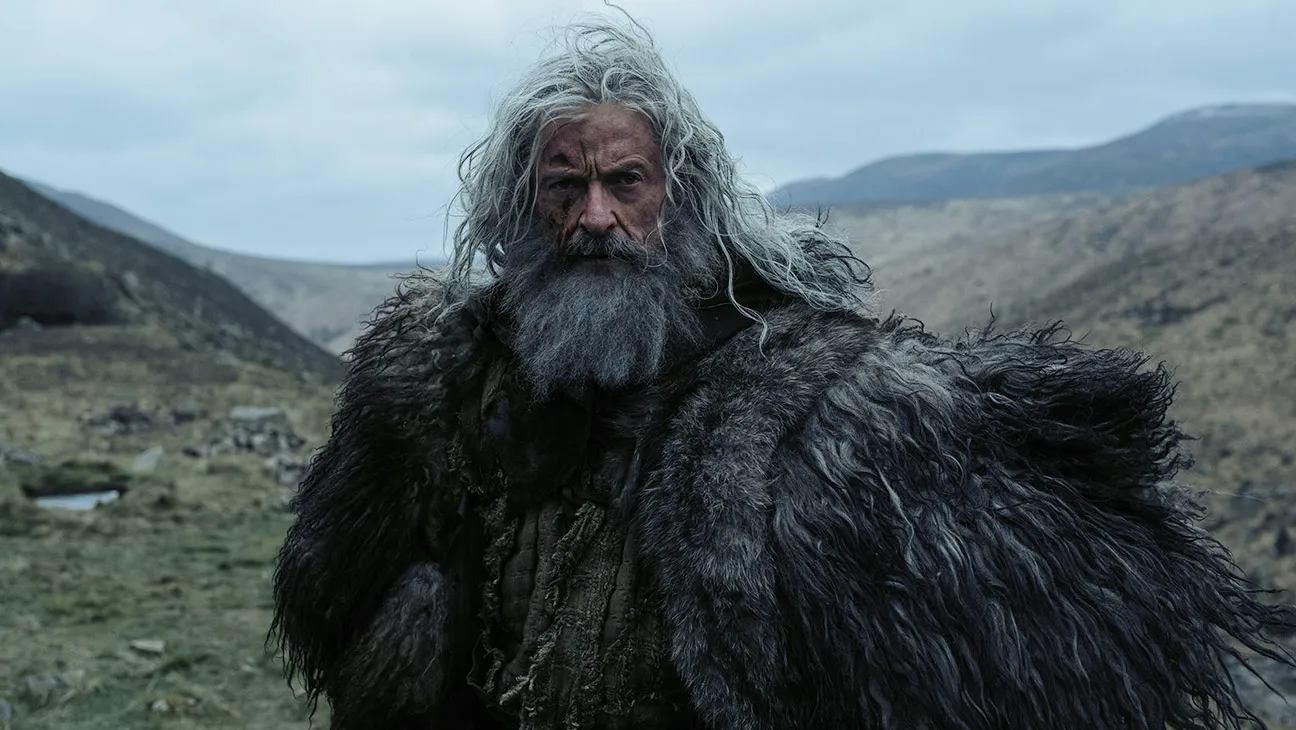
One of the most compelling aspects of The Death of Robin Hood is Hugh Jackman’s transformation into a deeply conflicted version of the iconic character. Gray-haired, scarred, and emotionally exhausted, this Robin Hood is far removed from the adventurous hero audiences have traditionally known.
The story begins with Robin living in isolation, haunted by the people who suffered because of his actions during his younger years. His reputation as a champion of justice is overshadowed by personal regret and unresolved guilt. When Little John, portrayed by Bill Skarsgård, seeks his help for one final mission, Robin initially resists. However, he reluctantly agrees to participate, setting in motion a chain of events that forces him to revisit the violence he hoped to leave behind.
Jackman brings remarkable emotional depth to the role, balancing physical toughness with vulnerability. His portrayal captures the internal struggle of a man questioning whether the legends told about him accurately reflect who he truly was.
Fans interested in Hugh Jackman’s filmography can explore more at Hugh Jackman Official Website.
Michael Sarnoski Brings a Gritty Realism to Medieval Storytelling
Director Michael Sarnoski approaches the material with a grounded and unflinching style that separates The Death of Robin Hood from previous adaptations. The film’s medieval setting feels harsh, unforgiving, and authentic, emphasizing survival rather than heroism.
Combat sequences are portrayed with brutal realism. Every confrontation carries weight, reminding viewers that violence leaves lasting consequences. Rather than glorifying battle, Sarnoski uses action scenes to reinforce the emotional and physical toll experienced by the characters.
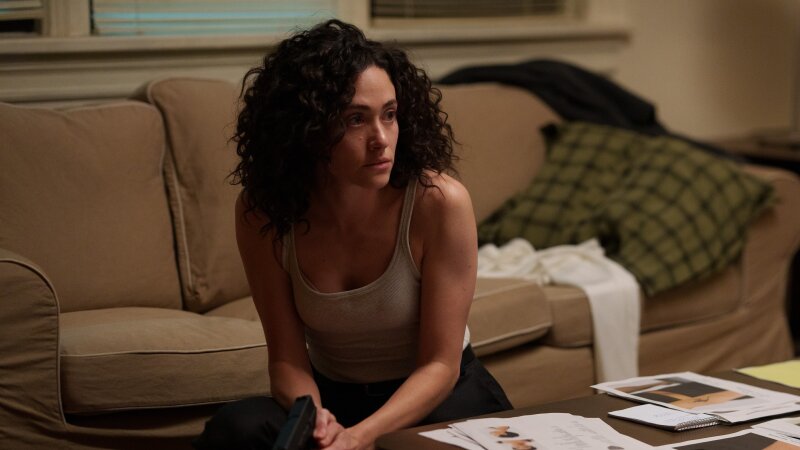
After suffering severe injuries during the mission with Little John, Robin is transported to a secluded convent perched on a cliffside. There, he encounters a prioress played by Jodie Comer. Her character becomes a crucial presence in the story, offering both medical care and emotional reflection as Robin’s condition worsens.
The relationship that develops between the two characters provides some of the film’s most moving moments. Their conversations reveal deeper truths about mortality, forgiveness, and the stories people create to justify their actions.
More information about contemporary filmmaking and storytelling can be found at British Film Institute.
The Death of Robin Hood Explores Legacy, Redemption, and Myth
While the film contains moments of action and suspense, its strongest themes emerge during its final act. The Death of Robin Hood becomes less concerned with adventure and more focused on self-examination. Robin reflects on the lives he changed, the mistakes he made, and the myths that transformed him into a symbol larger than himself.
Sarnoski explores how personal histories are often reshaped over time. Heroes become legends, failures become footnotes, and uncomfortable truths are frequently hidden behind stories that are easier to accept. The film suggests that no matter how powerful a reputation becomes, reality eventually demands acknowledgment.
This thematic direction draws comparisons to other iconic Jackman performances, particularly characters who struggle with aging, loss, and redemption. Yet The Death of Robin Hood stands on its own as a thoughtful meditation on mortality and personal accountability.
Jodie Comer’s performance further elevates these final moments. Her portrayal adds emotional warmth and humanity to a story largely defined by regret and reflection. Together, Comer and Jackman create a moving conclusion that examines the fragile boundary between history and legend.
Additional details about film preservation and cinematic history are available through Academy of Motion Picture Arts and Sciences.