
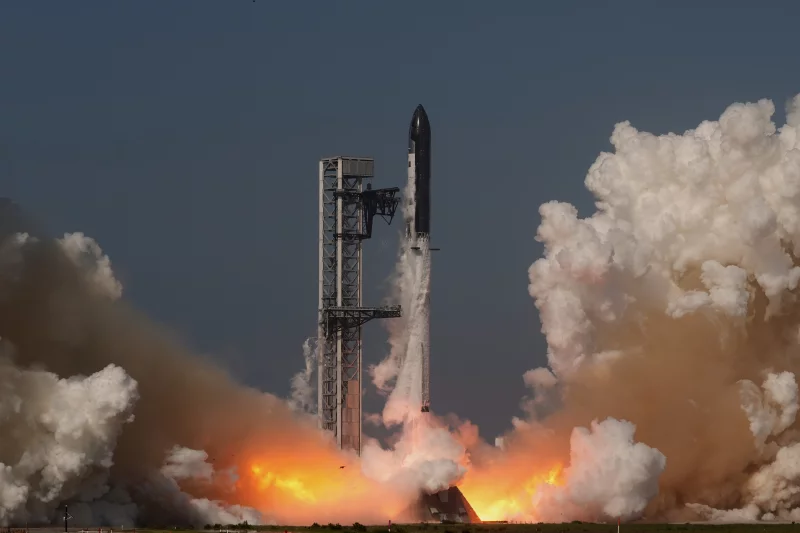
The phrase “SpaceX IPO could break records” has become one of the most discussed topics across financial markets this week as investors prepare for what may become the largest public stock offering ever attempted. The long-anticipated debut of Elon Musk’s aerospace giant is drawing attention not only because of its size but also because of what it could signal for the future of artificial intelligence, private technology firms and investor appetite for high-growth companies.
According to regulatory filings, SpaceX plans to raise approximately USD 75 billion through the sale of more than 555 million shares. If the final offering price exceeds current expectations, the amount raised could climb even higher, potentially setting a new benchmark in financial market history.
The listing is expected to place SpaceX among the world’s most valuable publicly traded companies from its first day on the market. Investors, fund managers and analysts are now assessing whether enthusiasm surrounding Musk’s business empire can justify such a massive valuation.
SpaceX IPO Could Break Records as Investors Bet on Elon Musk’s Vision
For many investors, the offering represents more than a simple stock purchase. It is also a direct wager on Elon Musk’s leadership, influence and ability to execute ambitious long-term projects.
Regulatory documents available through U.S. Securities and Exchange Commission indicate that Musk will maintain overwhelming control over corporate decision-making after the company becomes public. Through voting rights and board influence, he is expected to retain significant authority over the company’s strategic direction.
That concentration of power has become one of the most debated aspects of the listing. Supporters point to Musk’s track record of transforming industries ranging from electric vehicles to commercial spaceflight. Critics argue that his growing involvement across multiple businesses raises questions about management focus and long-term governance.
Unlike many traditional IPOs, investor sentiment surrounding SpaceX appears closely tied to perceptions of Musk himself. As a result, enthusiasm and skepticism are both likely to play major roles in early trading activity.
Public Markets Will Demand Greater Transparency From SpaceX and AI Giants
The SpaceX debut arrives during a period when several major private technology companies are preparing for public listings of their own. Market participants are also closely watching potential future offerings involving artificial intelligence leaders that have attracted enormous private investment over recent years.
Once publicly traded, SpaceX will face a level of financial scrutiny that private companies generally avoid. Quarterly earnings reports, annual disclosures and regulatory filings will provide investors with a clearer picture of revenue growth, operational costs and profitability trends.
Financial professionals continue monitoring disclosure requirements and market regulations through organizations such as Nasdaq MarketSite, where listing standards and reporting obligations shape how public companies interact with shareholders.
The transition from private funding to public ownership often changes investor expectations. Venture capital investors may tolerate years of losses while betting on future growth. Public shareholders tend to focus more closely on earnings performance, cash flow generation and sustainable business models.
Questions surrounding artificial intelligence infrastructure costs, computing power requirements and future profitability remain central to the debate. Investors increasingly want evidence that rapid revenue growth can eventually translate into consistent earnings.
Massive Capital Flows Could Increase Market Volatility After the Listing
The expected size of the offering has prompted discussion about how money may move throughout the broader market once trading begins. Large institutional investors, exchange-traded funds and index-tracking portfolios may be required to purchase shares if the company is rapidly added to major benchmarks.
Investment firms continue analyzing index inclusion processes through resources provided by Russell, while portfolio managers evaluate how a company of this scale could affect fund allocations.
Some analysts believe the listing could temporarily redirect billions of dollars away from existing technology holdings and into newly available SpaceX shares. That shift could create short-term volatility even among investors who never directly purchase the stock.
At the same time, the capital raised would provide SpaceX with substantial resources to expand launch operations, satellite networks, advanced computing infrastructure and future aerospace projects. Industry observers also continue tracking developments across the commercial space sector through NASA initiatives and partnerships that increasingly intersect with private companies.
The larger question facing investors is whether the market’s enthusiasm for artificial intelligence and next-generation technology companies can continue at its current pace. Valuations across the sector have risen sharply over recent years, placing growing pressure on companies to demonstrate profitability, operational efficiency and long-term business sustainability as public shareholders begin demanding measurable results.