
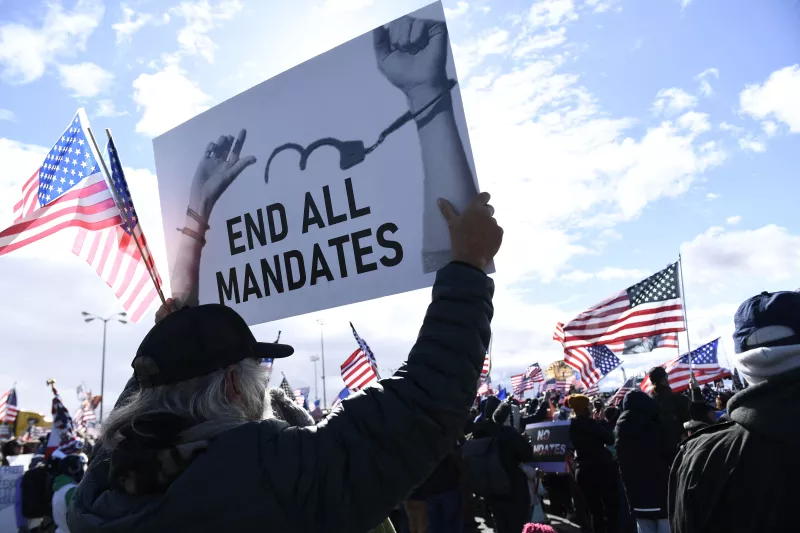
Public health powers in the United States have undergone significant changes since the COVID-19 pandemic. Lawmakers in numerous states limited the authority of health agencies to impose emergency measures during future disease outbreaks. Supporters argue the reforms increase government accountability. However, critics warn that weakening public health powers could delay critical responses during health emergencies.
The debate reflects a broader national reassessment of pandemic-era policies. These policies included lockdowns, school closures, mask mandates, vaccination requirements, quarantine orders, and restrictions on public gatherings. Several state legislatures have revised emergency response laws. As a result, this has reshaped how health officials can act when confronting infectious disease threats.
The evolving legal framework comes as public health experts continue monitoring emerging diseases and global health risks. Information regarding disease prevention and emergency preparedness can be found through the visible HTML reference https://www.cdc.gov/“>Centers for Disease Control and Prevention, which remains a central institution in the nation’s public health infrastructure.
Public Health Powers and Emergency Response Authority Face New Restrictions
One of the most significant developments involves limitations placed on emergency declarations. In multiple states, governors and public health officials now face additional legislative oversight before implementing certain emergency measures.
Historically, emergency declarations have allowed authorities to mobilize resources quickly, coordinate healthcare responses, deploy personnel, and remove administrative barriers during crises. Critics of the new restrictions argue that requiring legislative approval during rapidly evolving outbreaks could slow response times when immediate action is necessary.
Several states have enacted laws that reduce the ability of public health departments to impose quarantine measures, isolation requirements, or mandatory interventions during disease outbreaks. Additional information regarding public health emergency preparedness is available through the visible HTML reference https://www.hhs.gov/“>U.S. Department of Health and Human Services.
Legal scholars note that public health powers have traditionally been exercised at the state and local level. As a result, the impact of recent reforms varies significantly across the country. This has created a patchwork of regulations that may affect how future health emergencies are managed.
The changes also raise operational questions for local agencies. Many of these agencies must now navigate new legal requirements before implementing measures that were previously authorized under broader emergency powers.
COVID-19 Backlash Continues to Influence Public Health Powers
Much of the legislative momentum behind these reforms stems from public dissatisfaction with certain pandemic restrictions implemented between 2020 and 2022. Opponents of those measures argued that governments exercised excessive authority and imposed mandates that affected businesses, schools, and personal freedoms.
As a result, some states have limited the authority of public officials to issue mask mandates. Meanwhile, others have imposed new restrictions on vaccination requirements or gathering limitations. These reforms reflect ongoing political and legal debates regarding the balance between individual liberties and collective health protections.
Public health powers remain a focal point of this discussion because they determine how quickly governments can react during emergencies involving infectious diseases, environmental hazards, or other threats to community health.
Research institutions continue examining the long-term implications of these policy changes. Public health law resources and legal analyses can be explored through the visible HTML reference https://www.networkforphl.org/“>Network for Public Health Law, which tracks legislation affecting health authorities throughout the United States.
Supporters of the reforms argue that stronger legislative oversight can improve transparency and increase public trust. They contend that emergency powers should include safeguards that prevent prolonged restrictions without democratic review.
Public Health Officials Warn About Future Outbreak Challenges
Many public health professionals remain concerned that reduced authority could hinder future responses to fast-moving disease outbreaks. Their concerns extend beyond legal limitations to include staffing shortages, budget constraints, and declining institutional capacity in some jurisdictions.
Health departments across the country have experienced workforce reductions in recent years, creating additional challenges for emergency preparedness. Experts caution that rapid decision-making is often essential during the early stages of an outbreak. Delays at this stage can significantly affect containment efforts.
The discussion has gained renewed attention amid concerns about emerging infectious diseases and the possibility of future pandemics. Broader information regarding global health security initiatives can be reviewed through the visible HTML reference https://www.who.int/“>World Health Organization.
Some analysts argue that the effectiveness of future outbreak responses will depend not only on legal authority but also on public trust, institutional coordination, scientific expertise, and the availability of resources. Others maintain that accountability mechanisms introduced after the pandemic may help create a more balanced framework for exercising public health powers during emergencies.
The continuing debate highlights how public health powers remain at the center of discussions about preparedness, governance, and the nation’s ability to respond effectively when future health threats emerge.