
Polymarket’s Panama Presence Under Scrutiny Amid Transparency Concerns
The fast-growing prediction market platform Polymarket is facing renewed scrutiny after questions emerged regarding the existence of its reported headquarters in Panama City. Despite official records listing a corporate office in the upscale Punta Pacifica district, recent findings suggest that the company may not maintain a visible physical presence at the registered location.
Valued at approximately $15 billion, Polymarket has become one of the most prominent platforms for event-based forecasting, allowing users to speculate on outcomes ranging from politics to global events. Its rapid rise has coincided with increased regulatory attention, particularly in the United States, prompting the company to establish an international base.
Registered Address Raises Questions About Corporate Footprint
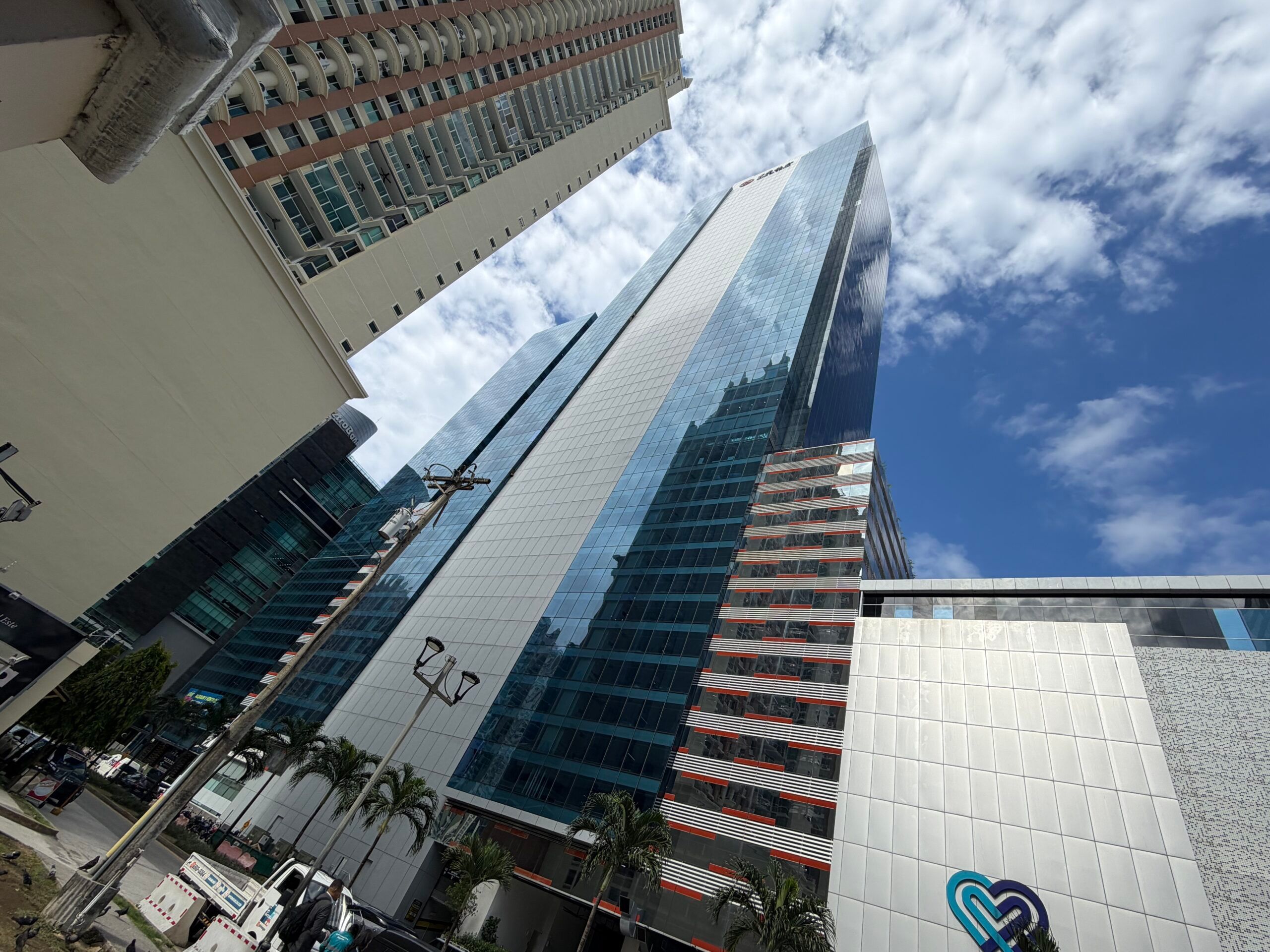
According to corporate documentation filed in Panama, Polymarket’s operations are tied to an entity identified as Adventure One QSS Inc., with a listed address in a high-rise office building. However, visits to the location revealed no clear indication of the company’s presence, nor signage or staff associated with its operations.
The absence of a visible office has raised broader questions about corporate transparency and the use of international jurisdictions for business registration. While it is not uncommon for companies to rely on legal or administrative offices for official purposes, the lack of physical footprint in this case has drawn attention given Polymarket’s scale and influence.
Industry observers note that such arrangements can complicate oversight, particularly when companies operate across multiple regulatory environments with varying standards of disclosure.
Regulatory Pressure Drives Offshore Structuring
Polymarket’s move to Panama follows increased scrutiny from U.S. regulators over the legality of certain prediction markets. By establishing a base outside the United States, the company may be seeking to navigate a more flexible regulatory framework while continuing to serve a global user base.
Its terms of service specify that legal disputes involving users are to be resolved through private arbitration proceedings in Panama. This approach can limit exposure to U.S. courts but may also raise concerns among users about transparency and access to legal recourse.
The decision reflects a broader trend among digital platforms exploring offshore structures to manage regulatory risk, particularly in sectors where legal frameworks are still evolving.
Growth and Influence Outpace Oversight Mechanisms
Despite these concerns, Polymarket continues to expand rapidly, attracting users interested in betting on real-world outcomes and leveraging collective intelligence for forecasting. Its popularity has surged alongside increased political and economic uncertainty, positioning it as a unique player in the digital economy.
However, the questions surrounding its headquarters highlight a growing tension between innovation and regulation. As platforms like Polymarket gain prominence, regulators and policymakers may face mounting pressure to clarify legal standards and ensure accountability.
The situation underscores the challenges of governing digital-first companies that operate globally while maintaining limited physical infrastructure. As scrutiny intensifies, Polymarket’s corporate structure and operational transparency are likely to remain key issues for both regulators and users alike.