Recovery crews search through devastated neighborhoods
In northern Gaza, rescue workers continue the difficult process of recovering bodies buried beneath collapsed buildings after months of intense bombardment. Entire residential areas have been reduced to vast fields of debris, leaving families searching for loved ones in conditions marked by destruction and uncertainty.
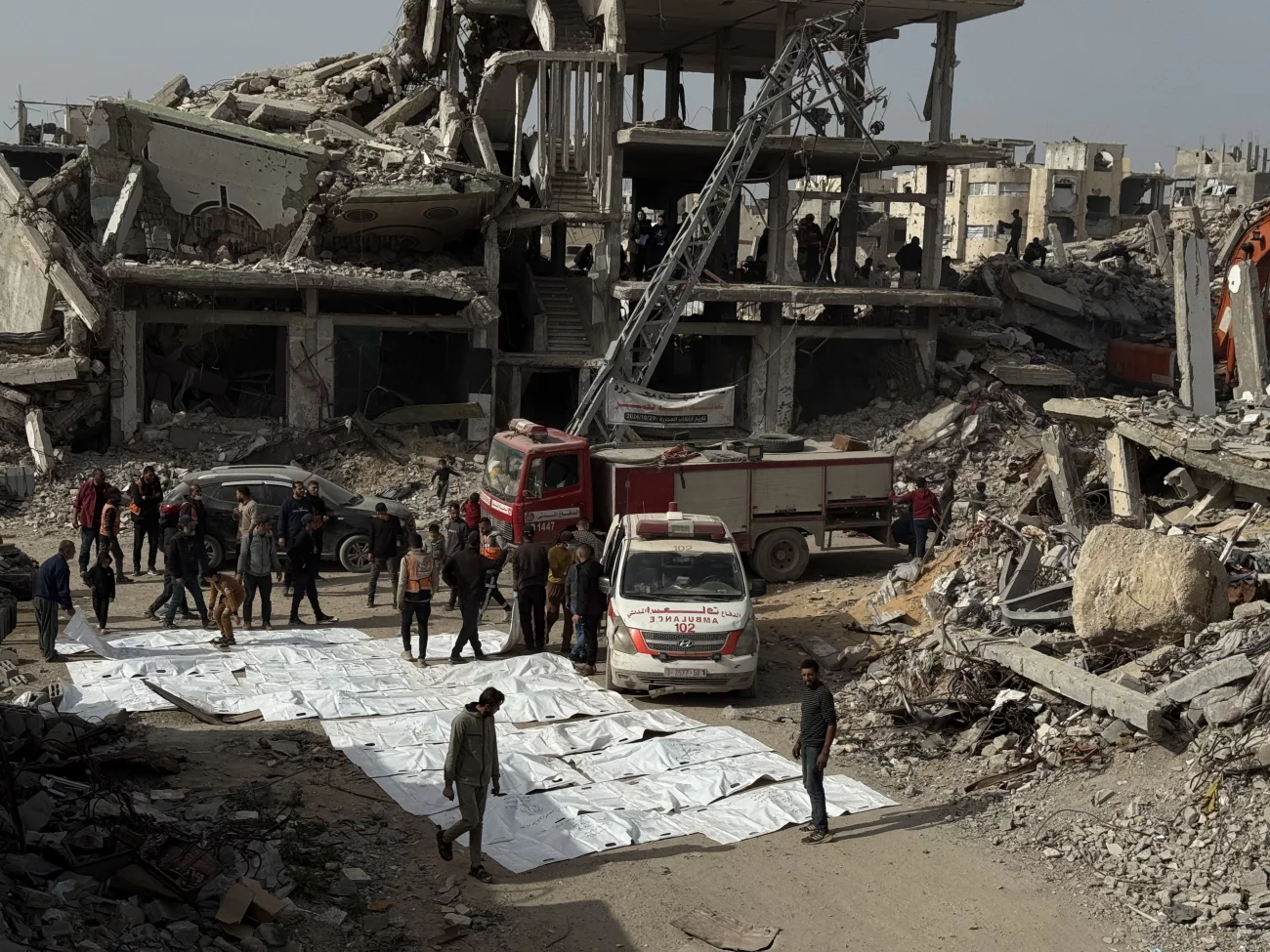
In the heavily damaged area of Beit Lahia, civil defense teams recently carried out one of their first large-scale recovery missions at the site of a destroyed apartment building where dozens of members of the same extended family were believed to have died. The operation reflects the broader humanitarian crisis unfolding across the territory, where thousands of bodies are still thought to remain trapped under rubble.
According to the International Committee of the Red Cross, the shortage of heavy equipment has severely limited recovery efforts. Rescue teams often rely on a single functioning excavator while receiving constant requests from families desperate to locate missing relatives.
The scale of destruction has also complicated identification efforts. With limited medical infrastructure and no widespread access to advanced forensic testing, survivors are often forced to recognize victims through clothing, personal belongings, or physical features.
Families confront grief amid ongoing destruction
For survivors, the recovery missions are not only physical operations but deeply emotional moments shaped by loss and trauma. Families gather near the ruins waiting for news, hoping to recover remains so loved ones can finally receive proper burials.
Rescue workers describe spending hours searching through broken concrete and twisted metal, guided not only by visual clues but also by the scent emerging from deep within collapsed structures. Many of the bodies recovered after long periods beneath the rubble are reduced to skeletal remains.
Humanitarian organizations such as the United Nations Children’s Fund have repeatedly warned about the severe psychological toll the conflict is taking on civilians, especially children and survivors who have lost multiple family members. Entire generations of relatives have been wiped out in some attacks, leaving only a handful of survivors behind.
As operations continue, scenes at recovery sites reveal the emotional burden carried by families who have spent months waiting for answers. Survivors often describe feelings of helplessness and grief as they witness the remains of relatives being removed from ruins that were once family homes.
Humanitarian crisis deepens across Gaza
The ongoing war has intensified concerns over humanitarian conditions throughout Gaza. Large sections of infrastructure, including homes, hospitals, and public services, have been destroyed during the conflict. Aid organizations and international agencies continue to warn that recovery efforts remain severely constrained by damaged roads, equipment shortages, and security risks.
Data monitored by the United Nations indicates that tens of thousands of Palestinians have been killed since the conflict escalated, while many more remain displaced. Israeli authorities maintain that military operations are aimed at dismantling Hamas following the October 2023 attacks that killed more than 1,200 people in Israel.
The destruction visible in neighborhoods like Beit Lahia has also been documented through satellite analysis and humanitarian assessments conducted by groups including Amnesty International. These reports describe extensive damage across civilian areas and highlight the long-term challenges communities will face in rebuilding homes and recovering missing victims.
As rescue crews move from one collapsed building to another, families continue to wait beside the ruins, hoping to recover the remains of relatives who disappeared beneath the debris months earlier.