
New genetic technologies expand embryo selection
A growing number of biotechnology companies are offering prospective parents advanced genetic screening services. These are designed to analyze embryos for a wide range of potential traits and health risks. The emerging field, known as polygenic embryo screening, combines genetic sequencing with predictive algorithms. As a result, it estimates the likelihood of future diseases and physical characteristics.
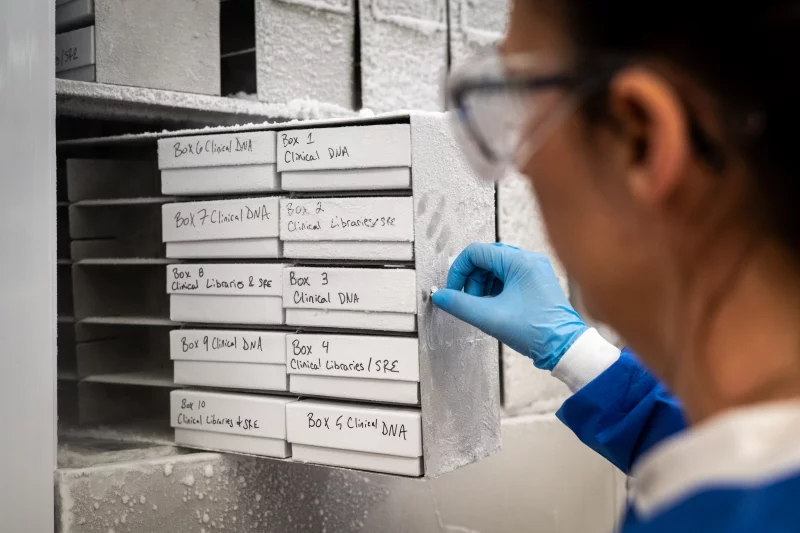
Companies operating in this space use DNA samples collected from parents and embryos created through in vitro fertilization procedures. By analyzing large amounts of genetic data, these firms generate so-called polygenic risk scores. These scores estimate the probability of developing conditions such as diabetes, heart disease, cancer, and Alzheimer’s disease.
Some businesses limit their assessments to medical conditions. However, others go further by offering predictions related to traits such as height, eye color, body mass index, and cognitive performance. The rapid expansion of these services has intensified debate within the scientific and medical communities. These debates question how far reproductive technology should go.
Organizations such as the American College of Medical Genetics and Genomics have expressed caution regarding the clinical reliability of these predictions. This is particularly true when applied to complex human traits influenced by both genetics and environmental factors.
Parents seek reassurance while experts urge caution
Many families interested in embryo screening say their primary motivation is reducing the risk of inherited illness. Individuals with personal or family histories of chronic diseases often view the technology as a way to improve the long-term health prospects of future children.
The process, however, is expensive and typically requires IVF treatment, with combined costs that can exceed $50,000. Despite the financial burden, demand has grown among couples seeking greater control over reproductive decisions and genetic outcomes.
Critics argue that current scientific understanding remains too limited to support many of the claims associated with polygenic prediction. Researchers and ethicists warn that traits such as intelligence or personality are shaped by countless biological and environmental variables. These variables cannot be accurately forecast through genetic analysis alone.
Institutions including the World Health Organization and several bioethics groups continue to monitor developments in reproductive genetics. They emphasize the need for careful oversight as technologies advance. Concerns have also emerged about unrealistic parental expectations and the possibility of social inequality tied to access to genetic selection tools.
Some specialists fear that parents could place emotional pressure on children if predicted outcomes fail to materialize. Others question whether selecting embryos based on preferred characteristics could reinforce broader societal biases regarding health, appearance, or intelligence.
Science, ethics and the future of reproductive medicine
Supporters of polygenic embryo screening argue that the technology represents a natural evolution of modern genetic medicine. Companies developing these services insist their methods are grounded in extensive genomic research. Moreover, they state these methods are intended primarily to reduce disease risk rather than create genetically enhanced individuals.
Advances in DNA sequencing technology have dramatically accelerated the field. Laboratories now process massive quantities of genetic information, using sophisticated systems to analyze billions of genetic markers from embryo samples. Research institutions such as the National Human Genome Research Institute continue to expand understanding of how genes influence human health and development.
At the same time, the debate increasingly extends beyond medicine into broader philosophical and social questions. Bioethics organizations including the Center for Genetics and Society have warned that widespread use of embryo selection technologies could fundamentally reshape attitudes toward reproduction, disability, and human diversity.
As investment and public interest in reproductive genetics continue to rise, the discussion surrounding polygenic embryo screening is expected to remain one of the most closely watched issues in modern biotechnology.