
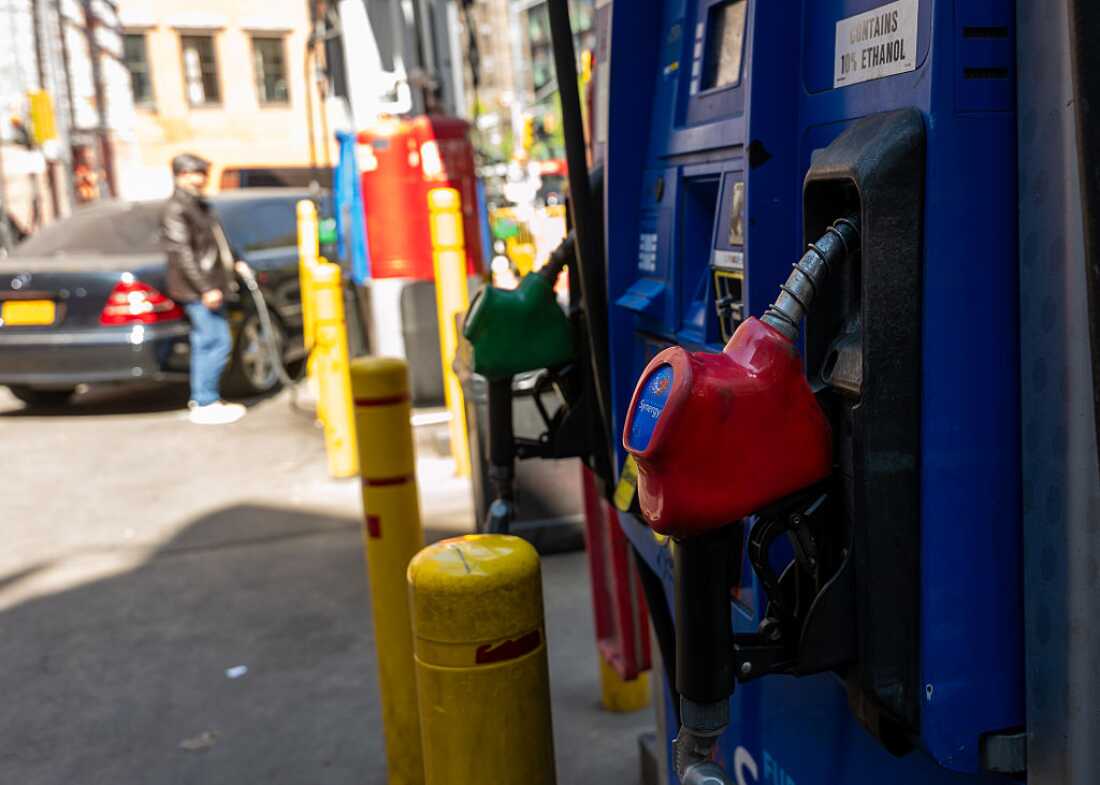
Rising Gas Prices Reshape Political Landscape Ahead of Midterm Elections
A new national poll indicates that rising gas prices are becoming a defining issue ahead of the upcoming midterm elections, with a majority of Americans attributing the surge to President Donald Trump. The findings highlight growing economic anxiety among voters and suggest a shifting political dynamic that could benefit Democratic candidates.
More than 80% of respondents reported that increasing fuel costs are placing a significant strain on their household budgets. As inflationary pressures continue to affect everyday expenses, gasoline prices have emerged as one of the most visible and immediate concerns for voters across the country.
Economic Pressure and Voter Frustration Intensify
The poll reveals a broad sense of dissatisfaction with the current economic situation, with many Americans expressing concern that the economy is not working in their favor. Rising fuel costs, often exceeding $4 per gallon in several states, are compounding frustrations tied to broader cost-of-living challenges.
This economic strain is influencing public perception of leadership, with many respondents holding the administration accountable for current conditions. The data suggests that economic issues, particularly energy costs, are likely to play a central role in shaping voter behavior in the months ahead.
In addition to domestic concerns, global instability is contributing to the upward pressure on fuel prices. Ongoing tensions linked to the Iran conflict have disrupted energy markets, further exacerbating price volatility and adding complexity to the political narrative.
Declining Approval Ratings Signal Political Risk
The poll also points to declining approval ratings for President Trump, marking one of the lowest points of his political standing. Support appears to be eroding among key voter groups, including independents and suburban voters, who are often निर्णing factors in competitive races.
These shifts are particularly significant as midterm elections historically serve as a referendum on the sitting president’s performance. With economic concerns dominating public discourse, declining approval ratings could translate into tangible electoral challenges for Republican candidates.
Political analysts note that while partisan loyalties remain strong, economic dissatisfaction has the potential to influence undecided voters and reshape electoral outcomes in closely contested districts.
Democrats Gain Momentum in Competitive Races
As economic pressures mount, Democratic candidates are beginning to gain traction in several key battleground states. Campaign messaging has increasingly focused on affordability, energy policy, and economic relief, aiming to resonate with voters experiencing financial strain.
The combination of rising gas prices, geopolitical uncertainty, and declining presidential approval is creating an environment that may favor opposition candidates. While the election landscape remains fluid, current polling suggests a more competitive midterm cycle than previously anticipated.
Both parties are expected to intensify their efforts as the election approaches, with economic messaging and energy policy likely to remain at the forefront of campaign strategies. The evolving political climate underscores the significant impact that everyday economic issues, such as fuel costs, can have on national elections.