The New York Times is asking a federal court to block subpoenas issued by the U.S. Department of Justice (DOJ). The paper argues that the government’s actions violate constitutional protections for journalists. Additionally, it claims they threaten the independence of the press.
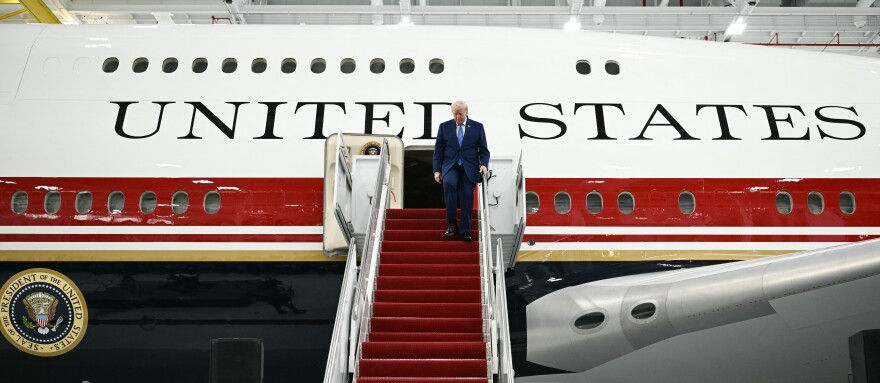
The legal dispute centers on an investigation into reports concerning security questions surrounding the presidential aircraft currently used by President Donald Trump. The newspaper maintains that federal investigators improperly targeted reporters and their families. Investigators did this while attempting to identify confidential sources.
Newspaper Alleges Government Overreach
According to court filings, the Times argues that the Justice Department pursued an aggressive investigative strategy. This strategy, the paper claims, undermines long-standing protections for journalists engaged in lawful newsgathering.
The newspaper contends that federal agents served subpoenas directly to reporters at their homes shortly after articles about the presidential aircraft were published. The filings also allege that investigators sought telephone records connected not only to multiple journalists but also to several of their immediate family members.
Attorneys representing the newspaper argue that such actions exceed what is typically considered appropriate when investigating media leaks. Moreover, they say these actions could discourage confidential sources from communicating with journalists in the future.
The Times has asked the court to invalidate the subpoenas. The paper asserts that the subpoenas conflict with First Amendment protections. Additionally, it claims they violate established Department of Justice guidelines governing investigations involving members of the news media.
Justice Department Defends Its Investigation
Federal officials reject the newspaper’s claims. They state that the investigation focuses on the unauthorized disclosure of information involving national security. Rather than the publication of news stories, that is their focus.
Justice Department representatives maintain that every subpoena was issued in accordance with federal law and internal departmental procedures. Prosecutors argue that identifying the source of classified or sensitive information remains a legitimate law enforcement responsibility.
Government attorneys have also acknowledged that telephone providers initially received non-disclosure orders related to the records requests. Later, the newspaper was informed of those subpoenas.
The department says its investigative decisions were made within the legal framework designed to balance national security interests with constitutional protections for a free press.
Broader Debate Over Press Freedom
The case has become part of a larger national discussion about the relationship between government institutions and the media.
Press freedom advocates warn that compelling journalists to reveal confidential sources—or obtaining communications data from reporters and their families—could weaken investigative journalism. As a result, whistleblowers may be discouraged from coming forward with information that serves the public interest.
Supporters of the Justice Department’s position argue that unauthorized disclosures involving sensitive government operations can present legitimate national security concerns. They add that investigators must have appropriate legal tools to identify those responsible.
The dispute also reflects continuing tensions between the Trump administration and several major news organizations. This includes ongoing disagreements over media access, reporting practices, and previous legal challenges involving government transparency.
A federal judge is expected to determine whether the subpoenas should remain in effect or be withdrawn. This decision could influence future cases involving press freedom, confidential sources, and the balance between national security investigations and First Amendment protections.