The rapid expansion of the U.S. Immigration and Customs Enforcement (ICE) workforce has sparked renewed discussion about ICE hiring standards. Law enforcement experts examine whether accelerated recruitment efforts could affect officer screening and public safety.
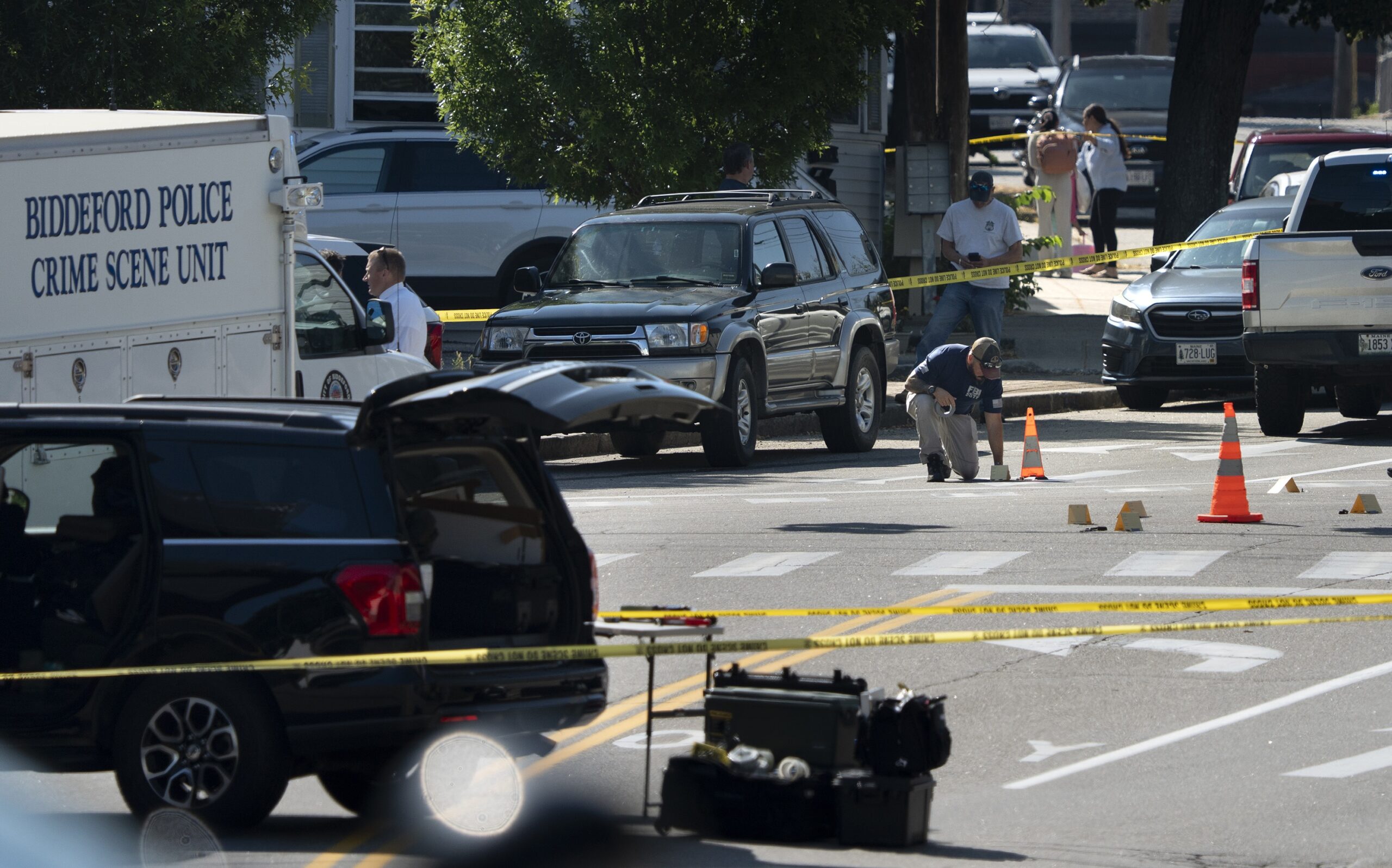
Recent officer-involved shootings in Maine and Texas have intensified the debate. This has prompted former federal officials and policing specialists to call for greater transparency regarding the agency’s recruitment, background investigations, and psychological evaluation procedures.
Experts Call for Comprehensive Officer Screening
The discussion gained momentum following allegations concerning the background of an ICE officer involved in a fatal shooting during a traffic stop in Maine. According to public statements from family members, the officer reportedly had a history of personal and mental health challenges before joining the agency.
Former U.S. Customs and Border Protection Commissioner Gil Kerlikowske said thorough hiring procedures are designed to identify behavioral, psychological, and disciplinary concerns before candidates enter law enforcement. Moreover, he emphasized that maintaining rigorous recruitment standards protects both officers and the communities they serve.
Police hiring specialists note that many large law enforcement agencies require applicants to complete multiple stages of evaluation, including medical examinations, psychological assessments, detailed background investigations, employment history reviews, and interviews with previous employers. These measures are intended to ensure candidates possess the judgment, temperament, and professionalism required for high-pressure public safety positions.
Rapid Recruitment Raises Questions About Hiring Practices
ICE has reported hiring more than 12,000 officers within the past year as part of a significant workforce expansion. While officials say the agency continues to follow all required federal personnel regulations, some experts question whether maintaining consistent vetting standards becomes more challenging during periods of rapid growth.
Kenneth Corey, former head of the New York City Police Department’s medical division, explained that effective hiring requires investigators to examine disciplinary records, previous law enforcement interactions, and any documented mental health incidents. He added that careful evaluations help agencies identify potential risks before officers begin active duty.
Specialists also point out that policing is an inherently stressful profession. Even well-qualified recruits may experience significant mental health challenges throughout their careers. Therefore, ongoing wellness programs, regular evaluations, and professional support are essential components of modern law enforcement.
Balancing Workforce Growth With Public Trust
The recent incidents have renewed broader conversations about balancing operational staffing needs with comprehensive officer training and screening. Former federal officials caution that expanding an agency quickly should not come at the expense of careful hiring practices. They argue that mistakes made during recruitment can have lasting consequences for both public confidence and institutional credibility.
As investigations into the recent shootings continue, policymakers and public safety experts are expected to closely evaluate whether current recruitment strategies provide sufficient safeguards. At the same time, ICE must be able to meet its operational demands.
The discussion surrounding ICE hiring standards is likely to remain a significant topic. This is especially true as federal agencies continue expanding their workforces while facing increasing public scrutiny over accountability, transparency, and officer preparedness.