For years, social media has shaped trends in fashion, lifestyle, and beauty. Today, however, its influence extends far beyond makeup tutorials and photo filters. Increasingly, experts warn that online platforms are changing how people perceive their own faces—and encouraging the pursuit of an increasingly artificial standard of beauty known as “Instagram face.”
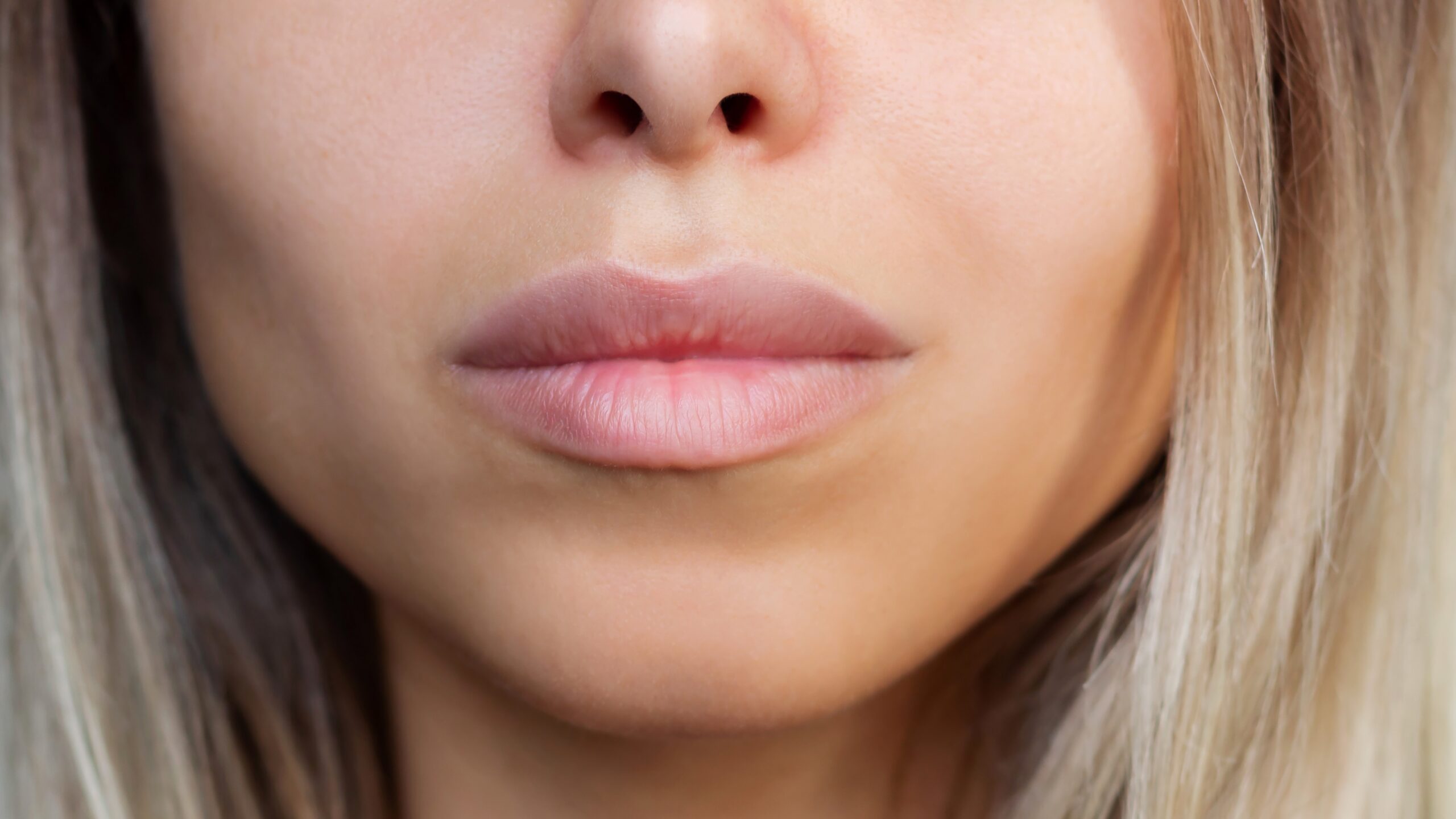
The term, first popularized by journalist Jia Tolentino, describes a highly stylized appearance characterized by smooth skin, full lips, sculpted cheekbones, large eyes, a narrow nose, and a sharply defined jawline. Once associated primarily with celebrities and influencers, this aesthetic has become more accessible through beauty filters, cosmetic procedures, and AI-powered editing tools.
From Filters to Cosmetic Procedures
Digital beauty filters have become a routine part of everyday social media use, allowing users to instantly modify facial features before sharing photos or videos.
According to beauty professionals and plastic surgeons, this constant exposure to digitally enhanced appearances has contributed to growing demand for cosmetic treatments among younger people. Procedures such as Botox, dermal fillers, and facial contouring—once more common among older adults—are increasingly sought by people in their teens and twenties.
The trend also extends beyond women. More young men are participating in online communities focused on “looksmaxxing,” a movement centered on maximizing physical appearance through grooming, fitness, skincare, and cosmetic enhancements.
When Perfection Becomes the Standard
Social media platforms reward polished, visually appealing content through likes, shares, and recommendations. As a result, users may begin comparing themselves not only with celebrities but also with heavily edited versions of their peers.
Artificial intelligence has accelerated this trend by producing increasingly realistic filters that blur the distinction between edited and authentic appearances. Over time, these idealized images can reshape expectations about what faces “should” look like.
Critics argue that the pressure to optimize every feature risks turning natural human diversity into something viewed as flawed rather than unique.
The Value of Imperfection
While choosing cosmetic procedures is a personal decision, many experts emphasize that beauty should not be defined by a single digital template.
Natural features—such as freckles, smile lines, asymmetry, scars, or other characteristics that reflect personal experiences—are often what make individuals distinctive and recognizable.
Rather than viewing imperfections as flaws to eliminate, psychologists suggest embracing them as part of personal identity and authenticity.
Finding Balance in the Digital Age
Social media is likely to remain a major influence on beauty culture, but awareness of its effects can help users develop healthier relationships with their appearance.
Practical ways to maintain perspective include:
- Following creators who celebrate diverse beauty.
- Limiting comparisons with heavily edited images.
- Remembering that filters and AI-generated enhancements rarely reflect reality.
- Viewing cosmetic procedures as personal choices rather than social expectations.
Looking Beyond the Filter
As artificial intelligence and digital editing tools continue to evolve, conversations about authenticity and self-image are becoming increasingly important.
Technology can enhance creativity and self-expression, but many experts believe true confidence comes not from achieving a digitally perfected face, but from recognizing that individuality—and even imperfection—is an essential part of being human.