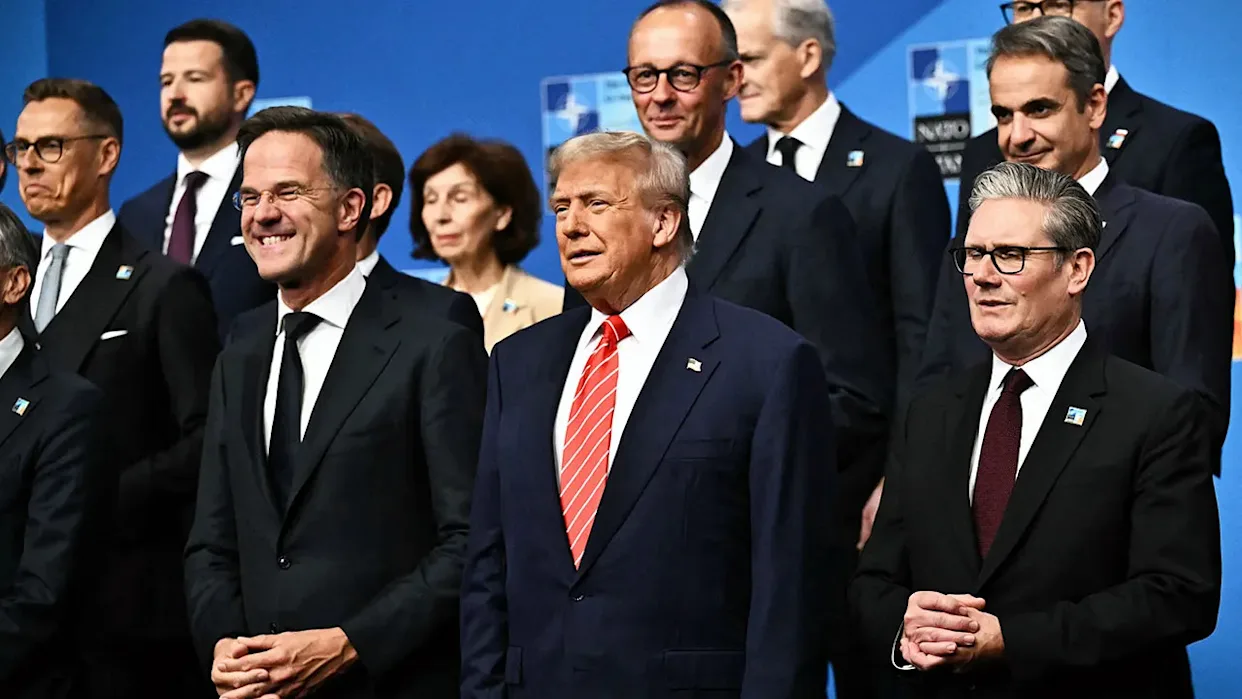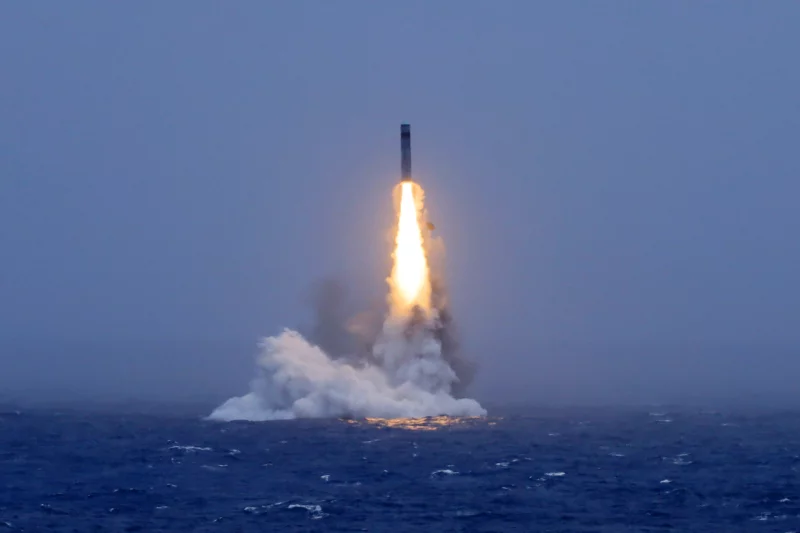
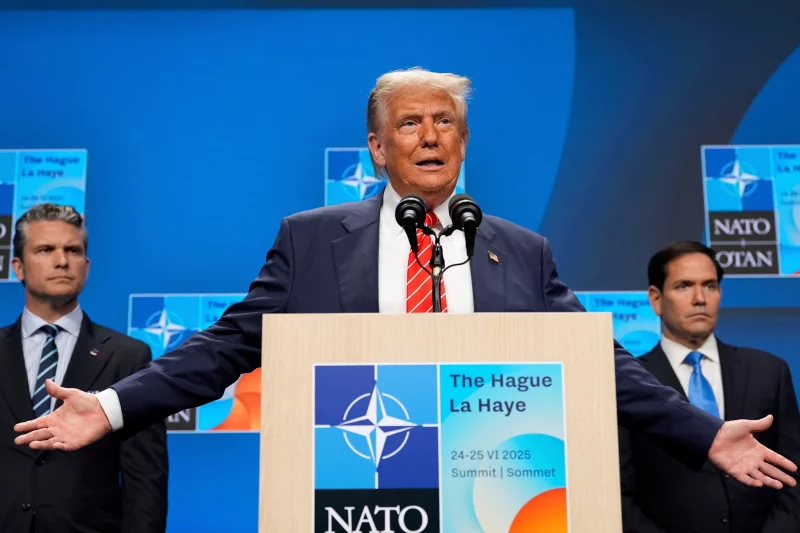
NATO leaders are entering a critical period as governments across the alliance begin translating ambitious defense spending commitments into national policy. After several years marked by military conflicts, supply chain disruptions and growing geopolitical uncertainty, member states are under increasing pressure to modernize their armed forces while balancing domestic economic priorities.
The upcoming summit is expected to focus less on announcing new financial targets. Instead, it will focus more on evaluating whether previous commitments are becoming tangible investments. Military readiness, industrial production, logistics and long-term deterrence have emerged as the central themes shaping discussions among allied governments.
Defense Spending Has Become the Alliance’s Defining Challenge
For decades, differences in military investment have generated friction inside NATO. While some countries consistently maintained robust defense budgets, others relied heavily on collective security. This occurred while allocating fewer national resources to their armed forces.
That dynamic has changed considerably over the past few years. A combination of regional instability, technological competition and renewed security concerns has accelerated defense planning across Europe.
Several governments have announced multi-year investment programs aimed at strengthening air defense systems and expanding ammunition production. These programs focus on expanding ammunition production. For example, the alliance’s strategic objectives focus on strengthening ammunition., whose members continue coordinating joint planning and operational readiness.
Political leaders increasingly acknowledge that defense budgets are no longer viewed simply as military expenditures. Rather, they now see them as long-term investments in national resilience, industrial capacity and strategic autonomy.
Security Priorities Extend Beyond Traditional Military Forces
The agenda facing alliance members now reaches well beyond troop numbers and conventional weapon systems.
Cybersecurity, satellite communications, artificial intelligence, critical infrastructure protection and resilient supply chains have become integral components of modern defense planning. Governments are also evaluating how quickly domestic industries can respond during prolonged international crises.
Economic conditions continue to influence those decisions. Assessments published by the International Monetary Fund indicate that public finances remain under pressure in many advanced economies. As a result, policymakers are forced to balance defense investments against healthcare, education and infrastructure spending.
At the same time, military planners argue that delayed modernization could prove more expensive over the long term. This is especially true if emerging security threats continue to evolve faster than procurement programs.
The discussion also extends to defense manufacturing. Expanding production capacity requires skilled labor, stable supply chains and predictable government contracts, factors that cannot be developed overnight.
Strategic Cooperation Will Shape NATO’s Next Phase
Military cooperation remains one of the alliance’s greatest advantages. Joint exercises, intelligence sharing and coordinated planning allow member countries to respond more efficiently to regional crises. Consequently, this reduces unnecessary duplication of resources.
Emerging technologies are expected to play an increasingly important role. Research into autonomous systems, digital command platforms and advanced surveillance capabilities continues across allied nations. These addition, supported by initiatives described by NATO DIANA, the alliance’s innovation accelerator designed to strengthen cooperation between governments, researchers and private industry.
Another priority involves protecting critical infrastructure, including energy networks, undersea communications cables and transportation corridors. These support both civilian economies and military logistics. Moreover, international cooperation in these areas has become increasingly important as hybrid threats grow more sophisticated.
Security analysts also continue monitoring broader economic trends. This is because defense planning depends heavily on stable industrial production, inflation control and sustainable public investment. Global economic outlooks published by the World Bank, provide one of several indicators policymakers consider when evaluating long-term budget strategies.
As preparations continue for the alliance’s next strategic decisions, governments are expected to focus not only how much they spend., but also on how effectively those investments improve readiness, strengthen industrial capacity and reinforce collective deterrence across an increasingly complex international security environment.