
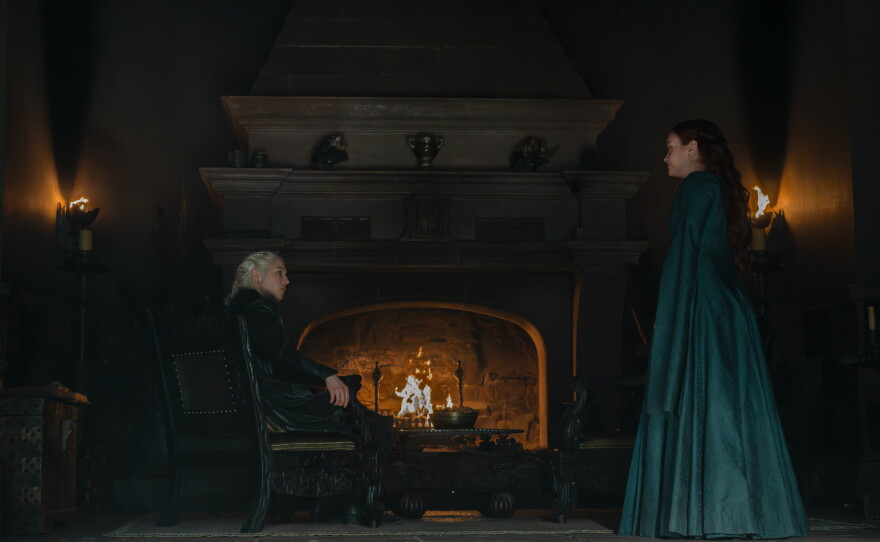
The House of the Dragon Season 3 Episode 3 recap highlights one of the series’ strongest political episodes, moving away from large-scale battles to explore the complex realities of leadership. Rather than emphasizing dragons and warfare, the story centers on Queen Rhaenyra Targaryen as she discovers that conquering a kingdom is far easier than governing one.
Throughout the episode, the newly established ruler faces financial shortages, political resistance, divided loyalties, and growing personal pressure. Each decision reveals how fragile power can become once the excitement of military victory gives way to the responsibilities of governing an unstable realm.
The episode also expands the conflict between Team Black and Team Green while continuing to build long-term storylines that will shape the remainder of the season.
Rhaenyra Confronts the Heavy Burden of Leadership
Much of the episode focuses on Rhaenyra’s transformation from claimant to reigning monarch. Upon taking control of King’s Landing, she quickly discovers that the kingdom faces serious economic and administrative challenges, including depleted resources, financial uncertainty, food shortages, and mounting public expectations.
Her Small Council presents a succession of crises requiring immediate attention, demonstrating that successful leadership depends as much on diplomacy and difficult compromises as it does on military strength.
The episode also explores Rhaenyra’s emotional state. Haunted by recent losses and overwhelmed by the demands of the throne, she begins showing signs of exhaustion and increasing isolation. These moments add psychological depth to her character while illustrating the enormous personal cost of ruling during a civil war.
Meanwhile, interactions with Alicent Hightower reveal that both women now carry similar burdens despite leading opposing factions. Their conversations emphasize that power often demands sacrifices neither originally anticipated.
Political Intrigue Deepens as New Alliances and Threats Emerge
Episode 3 continues expanding the political landscape of Westeros through several important developments. Daemon Targaryen remains committed to aggressive military expansion, while Rhaenyra favors consolidating control before pursuing additional campaigns.
Their differing visions of leadership create subtle but growing tension within Team Black, suggesting future disagreements that could weaken their position.
The episode also introduces further complications surrounding Prince Daeron, whose whereabouts become an important strategic concern. Unexpected revelations surrounding his apparent capture reinforce the atmosphere of deception and uncertainty that increasingly defines the conflict.
Elsewhere, Corlys Velaryon continues seeking formal recognition for his family, highlighting the political importance of legitimacy, inheritance, and loyalty among the realm’s most influential houses.
Episode 3 Sets the Stage for a More Dangerous Phase of the Civil War
While the episode contains relatively little large-scale combat, it significantly advances the broader narrative by demonstrating that political decisions may prove just as dangerous as dragonfire. Rhaenyra’s choices begin affecting relationships with nobles, advisors, and supporters, creating tensions that are likely to influence future episodes.
The growing conflict between personal conviction and political necessity becomes one of the episode’s defining themes. Characters repeatedly face situations in which moral ideals collide with the harsh realities of maintaining authority during wartime.
As rival armies continue maneuvering across Westeros and alliances become increasingly fragile, Episode 3 positions the series for an even more volatile stage of the Dance of the Dragons. The careful balance between political strategy, family loyalty, and personal ambition continues to distinguish House of the Dragon as one of television’s most compelling fantasy dramas.