
Privacy and civil rights advocates are calling on Maryland officials to investigate Maryland data brokers accused of collecting, processing and selling residents’ personal and geolocation information to law enforcement agencies.
A coalition of organizations filed a consumer complaint with Maryland Attorney General Anthony G. Brown. They argue that several commercial data companies may be violating the state’s strict privacy laws by providing sensitive information to government agencies without sufficient public oversight.
The complaint comes as federal immigration authorities increasingly use commercially available data and surveillance technologies to locate and monitor individuals.
Privacy Groups Target Companies Accused of Selling Location Data
The coalition’s complaint names several companies, including Penlink, Thomson Reuters, Motorola, Insight LPR, LexisNexis and Flock Safety.
The groups allege that these companies collect and provide personal information and location data about Maryland residents to law enforcement customers.
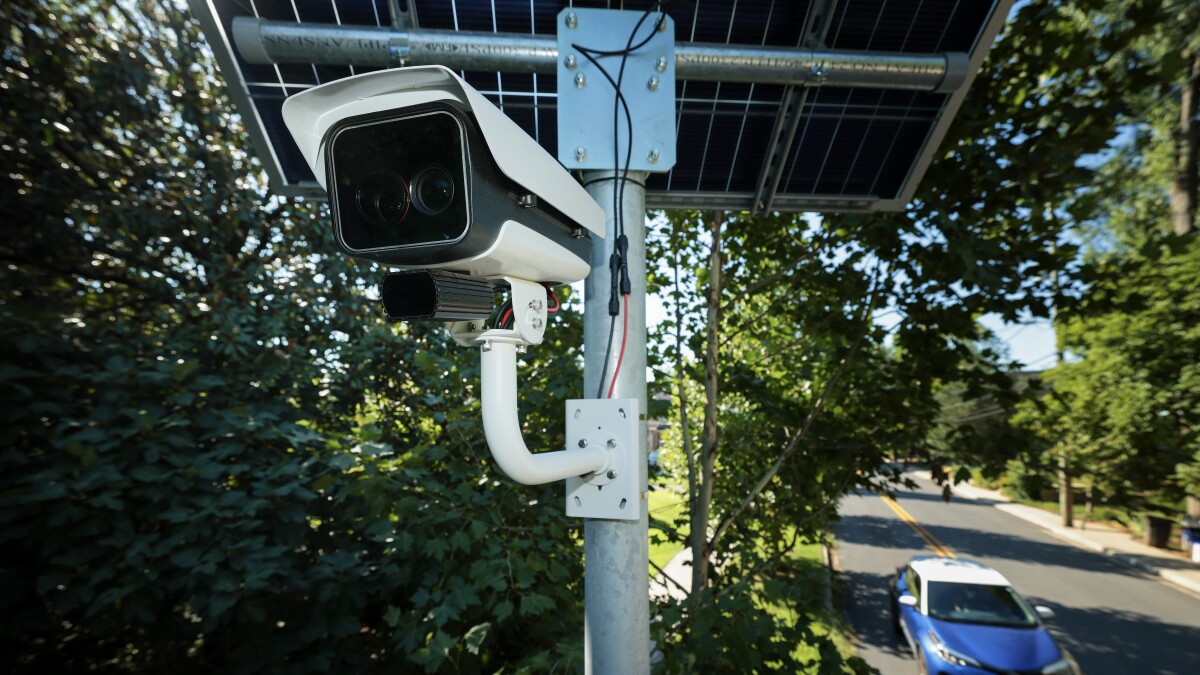
Some of the technologies identified in the complaint involve mobile phone location information. Others rely on automated license plate readers that capture images of vehicles and their surroundings.
The groups argue that these systems can create extensive records of where people live, work and travel.
The complaint was prepared by Georgetown University Law Center’s Technology Law Clinic on behalf of We Are CASA and other privacy and civil rights organizations.
The coalition is asking Maryland authorities to investigate the companies and determine whether their practices comply with the state’s privacy requirements.
Data Brokers and Federal Immigration Enforcement Raise Privacy Concerns
The dispute comes amid growing scrutiny over the use of commercial databases by U.S. Immigration and Customs Enforcement and other federal agencies.
Several companies named in the complaint have contracts with ICE or other federal agencies.
Penlink, for example, has provided technology designed to access location-related information. In contrast, Thomson Reuters and LexisNexis offer investigative tools containing information drawn from public records and proprietary databases.
The complaint also names ThunderCat Technology, which has a contract with Homeland Security Investigations to provide individual taxpayer identification number data.
Privacy advocates argue that government agencies’ ability to purchase commercially collected information creates a pathway for obtaining sensitive data without the same judicial procedures. These procedures may apply when authorities seek information directly from telecommunications companies or other service providers.
The concern extends beyond immigration enforcement. Advocates say commercially available surveillance tools can affect anyone whose movements or personal information are captured by these systems.
Companies Deny Violating Maryland Privacy Law
The companies named in the complaint have disputed the allegations.
Thomson Reuters said it is confident that its operations comply with applicable laws and regulations. The company has also stated that its license plate recognition product does not provide real-time vehicle tracking. Instead, it offers access to images collected at various times.
Penlink similarly rejected the allegations, saying it does not process or sell precise location data belonging to Maryland residents in violation of state law.
Maryland’s privacy framework defines precise geolocation information as data capable of identifying the location of a consumer, mobile device or vehicle within a radius of 1,750 feet.
The complaint argues that some Penlink products may nevertheless be used by Maryland law enforcement agencies.
State records related to a proposed Maryland State Police contract for Penlink’s PRX product list geolocation information among the technology’s capabilities.
Several other companies named in the complaint did not respond to requests for comment.
Why Maryland’s Privacy Laws Are at the Center of the Dispute
Maryland has adopted some of the country’s strongest consumer privacy protections. This makes the state an important testing ground for how governments regulate the commercial collection and use of personal information.
The controversy highlights a broader challenge created by the growth of the data brokerage industry.
Companies can collect information from numerous sources and combine datasets to create detailed profiles of individuals. Government agencies can then purchase access to some of that information rather than collecting it directly.
Privacy advocates argue that this practice can undermine traditional expectations surrounding warrants, government surveillance and public accountability.
The coalition is calling on Maryland Attorney General Anthony G. Brown to use the state’s privacy laws to investigate the companies and determine whether commercially obtained location data is being used in ways that violate residents’ rights.
The outcome of any investigation could have implications beyond Maryland. This is particularly important as other states consider stronger restrictions on data brokers, geolocation tracking and the government’s purchase of commercially available personal information.