A new Census Bureau report on noncitizen voting is drawing criticism from election and data experts. This comes after President Donald Trump cited its preliminary findings to renew claims that large numbers of non-U.S. citizens voted illegally in the 2020 presidential election.
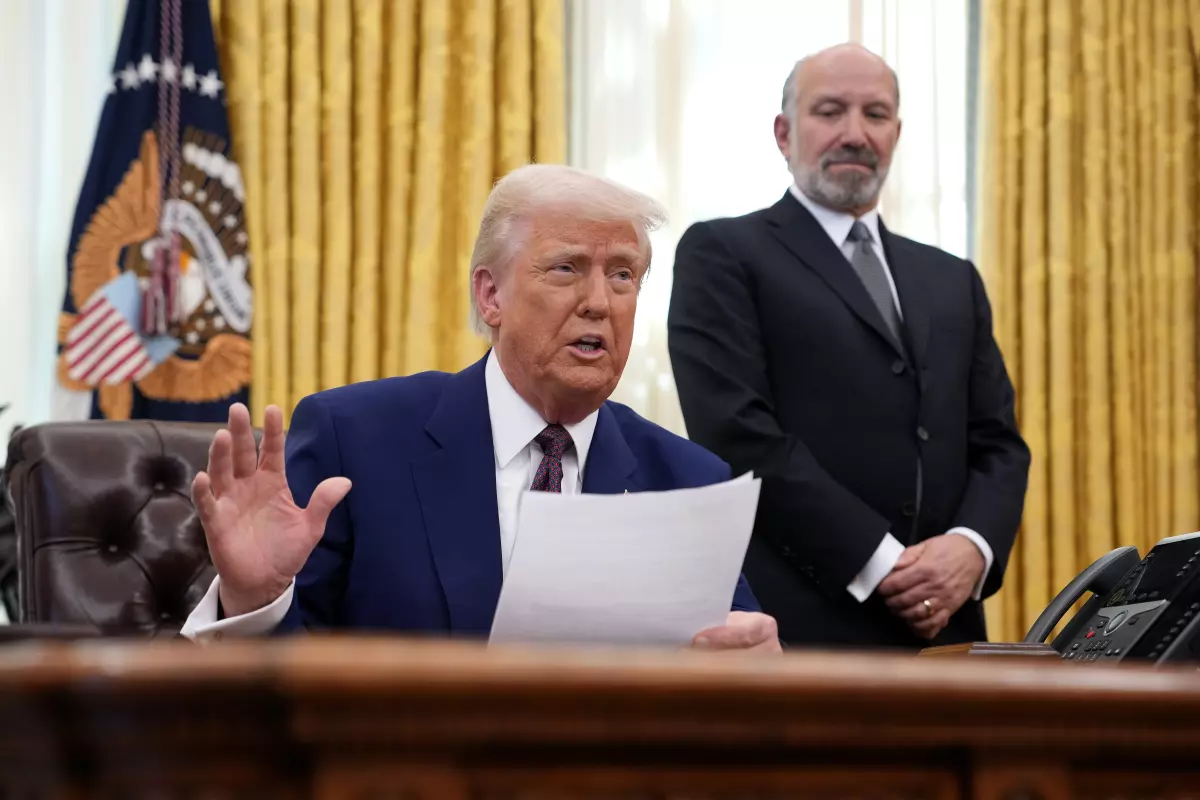
Trump said in a social media post that the initial analysis of more than 128 million voter records “proves” that more than 24,000 noncitizens voted illegally in 2020. He also suggested the number could increase substantially. This might happen after the Census Bureau examines an additional 32 million voter records.
However, experts who reviewed the report have questioned its methodology, transparency and ability to accurately identify noncitizens who cast ballots.
The seven-page document does not identify individual authors. In addition, it says it combines a commercial voter file from 2020 with federal administrative records.
Experts Question the Census Bureau’s Noncitizen Voting Methodology
The Census Bureau report on noncitizen voting has raised concerns because of the way voter records were matched with federal data.
Election and voting experts say identifying citizenship status from large administrative databases can be complicated. Voter records may lack unique identifiers, while government databases can contain outdated, incomplete or inconsistent information.
David Becker, executive director of the Center for Election Innovation & Research, questioned whether Census data can be reliably matched with voter files.
Michael Morse, an assistant professor at the University of Pennsylvania’s law school who researches voter registration records, similarly pointed to potential errors involving incomplete naturalization records. He also noted limitations in voter databases.
Morse said the report’s lack of transparency makes it difficult to determine precisely how the analysis was conducted. Furthermore, this makes it hard to evaluate the reliability of its conclusions.
The preliminary figure cited by Trump also represents a very small share of the total votes analyzed. Approximately 24,000 apparent noncitizen votes among 128 million records would amount to less than 0.02%.
Researchers have long noted that documented cases of noncitizens voting in federal elections are rare. However, election officials continue to maintain systems designed to prevent ineligible voting.
Report’s Connections to Trump-Aligned Think Tank Raise Concerns
Another issue surrounding the Census Bureau report on noncitizen voting is the identity and background of the people involved in producing the analysis.
According to a Census Bureau employee familiar with the work, the analysis was not conducted by career civil servants. Instead, it included individuals affiliated with the America First Policy Institute, a think tank established by former officials from Trump’s first administration.
The report itself does not identify its authors.
The America First Policy Institute highlighted the analysis on social media. They described election transparency as an important element of restoring public confidence in elections.
Neither the Census Bureau, the America First Policy Institute nor the White House immediately responded to requests for comment about the report’s development and methodology.
Former Census Bureau economist Misty Heggeness, whose research is cited in the document, also questioned the absence of an identified author.
She said that Census Bureau research traditionally undergoes multiple layers of review. This is because the agency has a longstanding role as a nonpartisan statistical institution.
The concerns come at a politically sensitive time. This is happening as the Trump administration and Republican lawmakers continue to debate election rules ahead of the 2026 midterm elections.
State Election Officials Seek Evidence Behind the Claims
State election officials have also questioned the figures presented in the Census Bureau report on noncitizen voting. They are asking the federal government to provide the underlying information needed to verify the allegations.
Georgia Secretary of State Brad Raffensperger, a Republican, requested identifying information concerning the report’s estimate. The report estimated that approximately 400 noncitizens voted in Georgia during the 2020 election.
His office previously conducted an extensive review of voter records in 2024. They identified fewer than a dozen noncitizens who had previously voted in the state.
The difference between the state audit and the Census Bureau’s estimate has prompted Raffensperger to ask for additional information. As a result, state officials can investigate the federal government’s findings.
Nevada officials have raised similar concerns.
Nevada Secretary of State Francisco Aguilar said federal agencies have repeatedly made claims about noncitizen voting and voter registration. However, these claims are made without publicly providing enough evidence to substantiate the numbers.
The issue is particularly significant because election officials are responsible for maintaining accurate voter rolls. Moreover, they are tasked with investigating potential cases of ineligible voting.
The latest Census Bureau report on noncitizen voting is therefore likely to remain under scrutiny. This will persist as officials and researchers seek more information about how the figures were calculated and whether apparent matches actually represent people who were legally ineligible to vote and ultimately cast ballots.