
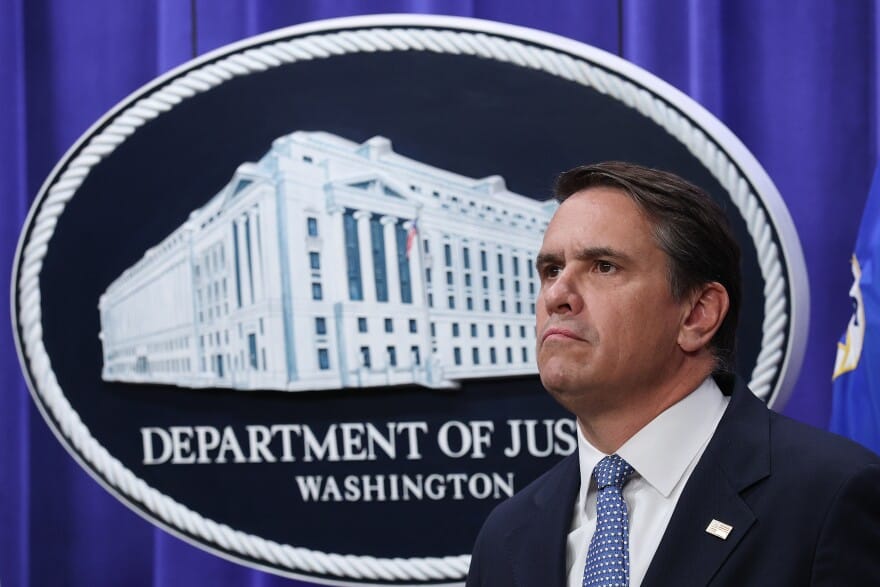
The Justice Department public safety grants program is entering a new phase as federal officials introduce funding criteria. These criteria encourage greater cooperation between local law enforcement agencies and federal immigration authorities. The policy shift affects nearly USD 1 billion in grant opportunities. These are available to cities, counties, and police departments across the United States.
The initiative represents a broader effort by the federal government to strengthen partnerships between local jurisdictions and immigration enforcement agencies. Supporters argue that closer coordination can improve public safety and law enforcement efficiency. Meanwhile, critics contend that the new requirements could alter the traditional purpose of federal policing grants.
The funding changes are expected to influence how local governments approach future grant applications and law enforcement strategies. Information about federal grant programs is available through U.S. Department of Justice.
Immigration Enforcement Grants Become a Key Funding Requirement
A significant portion of the available funding comes from the Community Oriented Policing Services program, commonly known as COPS grants. Since their creation in 1994, these grants have provided billions of dollars to support local law enforcement agencies across the country.
Historically, COPS grants have helped departments hire officers, expand school safety initiatives, strengthen community policing efforts, and improve officer wellness programs. However, under the latest funding guidelines, jurisdictions that demonstrate cooperation with federal immigration enforcement may receive priority consideration. This consideration occurs during the grant review process.
In addition to the established COPS program, a newer funding opportunity known as the Model Cities Initiative is also being introduced. This program is designed to support public safety improvements through investments in personnel, technology, crime reduction strategies, and infrastructure enhancements.
Federal officials have emphasized the importance of collaboration among local governments, law enforcement agencies, and federal authorities. This collaboration is important when evaluating applications for these funds.
Additional information regarding federal law enforcement initiatives can be found through Office of Community Oriented Policing Services.
New Funding Model Sparks Debate Among Policy Experts
The revised funding approach has generated discussion among criminal justice experts, local officials, and policy organizations. Some observers believe the changes could encourage stronger coordination between different levels of government. As a result, these changes may improve the effectiveness of public safety operations.
Others have raised concerns that linking public safety grants to immigration enforcement could discourage participation. Jurisdictions that maintain different policy approaches toward immigration matters may be especially concerned. In addition, critics argue that communities may face difficult decisions when balancing local priorities with eligibility for federal funding opportunities.
Questions have also emerged regarding how certain grants will be awarded. The Model Cities Initiative includes a review process that places significant responsibility on senior department leadership. This responsibility comes into play when evaluating proposals and selecting finalists.
The debate reflects broader national discussions regarding the role of federal incentives in shaping local law enforcement priorities and public safety strategies.
Research and policy analysis related to criminal justice programs can be explored through Council on Criminal Justice.
Federal Funding Priorities Have Shifted Across Administrations
The use of federal grants to encourage specific policy goals is not unique to the current administration. Over the years, different administrations have used grant programs to promote varying law enforcement and public safety objectives.
Previous federal priorities have included community policing initiatives, trust-building programs between police departments and residents, violence intervention strategies, and other public safety reforms. Grant criteria have often reflected the policy goals of the administration in office at the time.
The current emphasis on immigration cooperation represents the latest example of how federal funding can be used to advance broader government priorities. Therefore, as cities and counties evaluate future applications, the relationship between federal funding and local policymaking is likely to remain an important issue. This will impact public administration and law enforcement discussions.
The outcome of these policy changes may influence how jurisdictions pursue federal funding, manage public safety programs, and coordinate with national enforcement agencies in the years ahead. Additional information regarding immigration policy and federal enforcement programs is available through U.S. Department of Homeland Security.