
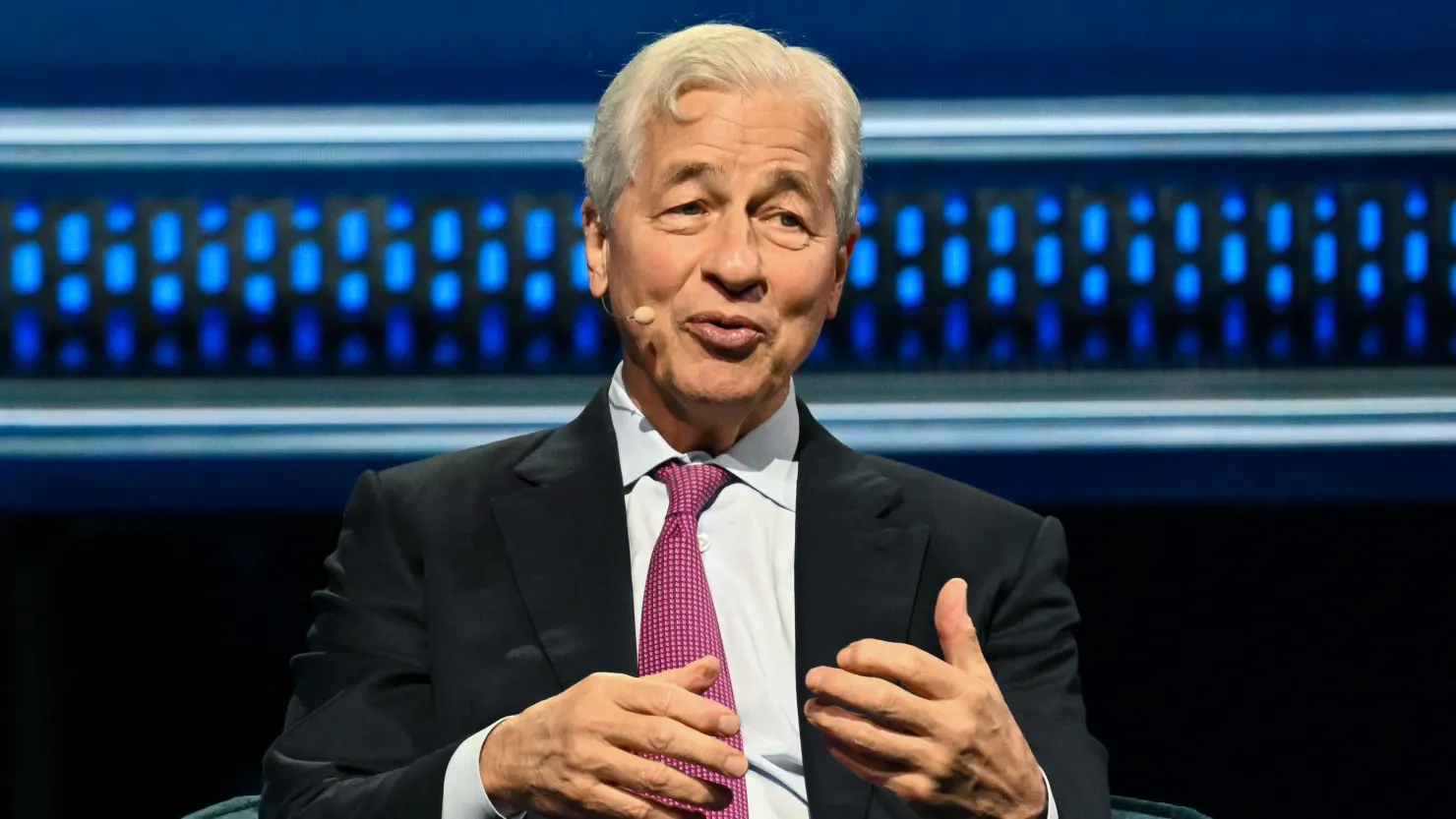
JPMorgan Chase CEO Jamie Dimon has indicated that the largest bank in the United States may pursue a major acquisition worth as much as $20 billion over the next several years. This signals that the financial giant remains open to transformative opportunities, despite a longstanding preference for organic growth.
Dimon’s remarks have immediately fueled speculation across Wall Street about potential consolidation within the banking sector. There is also debate over whether regulators would approve another large-scale merger involving one of America’s most powerful financial institutions. While the executive stressed that acquisitions are not currently the company’s primary strategy, he acknowledged that the bank is actively monitoring opportunities. These could strengthen its long-term position.
The comments arrive during a period of significant change in global banking. Financial institutions are increasing investments in technology, digital banking services, and artificial intelligence. At the same time, they are adapting to shifting interest rates and tighter regulatory oversight.
JPMorgan Signals Openness to Large Strategic Deals
Speaking at a financial conference in New York, Dimon explained that JPMorgan remains financially strong enough to pursue a major transaction if the right opportunity emerges. He suggested that the company could eventually allocate between $10 billion and $20 billion toward an acquisition. This would complement its existing operations.
Even so, Dimon emphasized that dealmaking should never replace strong internal growth. He criticized the tendency among some corporate executives to rely heavily on mergers and acquisitions. This often happens when their businesses fail to expand naturally through improved services, innovation, and customer relationships.
According to Dimon, any acquisition target would need to fit seamlessly within JPMorgan’s broader structure. It would also need to contribute directly to its core businesses, rather than operate independently without strategic integration.
The banking giant has spent years expanding its presence through investments in technology infrastructure, consumer banking, wealth management, and payment systems. Through initiatives tied to digital banking expansion, the company has increasingly focused on strengthening customer engagement and improving operational efficiency. It now does so instead of relying solely on acquisitions.
Financial analysts believe that if JPMorgan moves forward with a deal of that scale, regulators would likely subject the transaction to intense scrutiny. This is because of concerns surrounding market concentration and financial stability. Large banking mergers have become politically sensitive in the United States. In particular, after regional banking disruptions in recent years, attention on systemic risks within the industry has heightened.
Dimon Continues to Prioritize Organic Growth
Despite discussing the possibility of a major acquisition, Dimon repeatedly reinforced that JPMorgan’s long-term strategy remains centered on internal growth. He argued that sustainable expansion comes from improving products, increasing technological capabilities, expanding branch networks, and strengthening customer trust.
Over the past two decades, JPMorgan has largely avoided aggressive acquisition-driven growth outside periods of financial instability. One of the company’s most significant recent deals came in 2023, when it acquired First Republic Bank through a government-assisted transaction. The regional lender had collapsed during the banking crisis.
That acquisition significantly expanded JPMorgan’s wealth management footprint and added billions of dollars in deposits and assets. Information related to U.S. banking oversight and financial stability continues to be monitored closely by institutions such as the Federal Reserve. This is especially true as regulators evaluate future merger proposals involving major banks.
Dimon also referenced previous acquisitions completed during times of financial turmoil, including the purchases of Bear Stearns and Washington Mutual during the 2008 financial crisis. Those transactions helped JPMorgan emerge from the crisis as one of the strongest and most influential banking institutions in the world.
Still, the company has also faced setbacks from certain smaller acquisitions. One notable example involved the fintech startup Frank, which JPMorgan acquired for $175 million. Allegations later emerged claiming the business had misrepresented critical customer information.
The experience appears to have reinforced the bank’s cautious approach toward acquisitions, particularly within fast-growing technology sectors where valuations and due diligence challenges can create additional risks.
Banking Industry Faces Pressure to Modernize and Consolidate
Dimon’s comments reflect broader trends reshaping the financial industry worldwide. Banks are under growing pressure to modernize operations, compete with fintech firms, and invest heavily in artificial intelligence, cybersecurity, and digital payment systems.
Institutions across the sector are searching for ways to improve profitability while adapting to changing consumer behavior. Many customers now prefer mobile banking platforms and personalized digital financial tools over traditional branch-based services.
The rise of financial technology companies has also increased competition in areas such as lending, payments, and wealth management. Organizations including the U.S. Securities and Exchange Commission continue to evaluate how evolving technologies and mergers could impact competition and investor protections within the financial system.
Industry observers note that JPMorgan already holds a dominant position in several areas of banking, including investment banking, credit cards, and commercial lending. Any future acquisition would likely need to demonstrate clear consumer and economic benefits in order to gain regulatory approval.
At the same time, investors continue watching whether major banks will pursue consolidation as economic conditions evolve. Rising operational costs, compliance demands, and technology spending requirements may encourage additional mergers among financial institutions. These organizations are seeking greater scale and efficiency.
The broader financial sector is also monitoring how global economic uncertainty, inflation pressures, and changing monetary policies could influence corporate expansion strategies. Economic data tracked by organizations such as the World Bank continues to shape expectations surrounding global growth, investment activity, and banking performance.
Dimon’s remarks have therefore reignited debate over whether the next era of banking competition will be defined primarily by technology investment, strategic acquisitions, or a combination of both. Major financial institutions are positioning themselves for the future.