
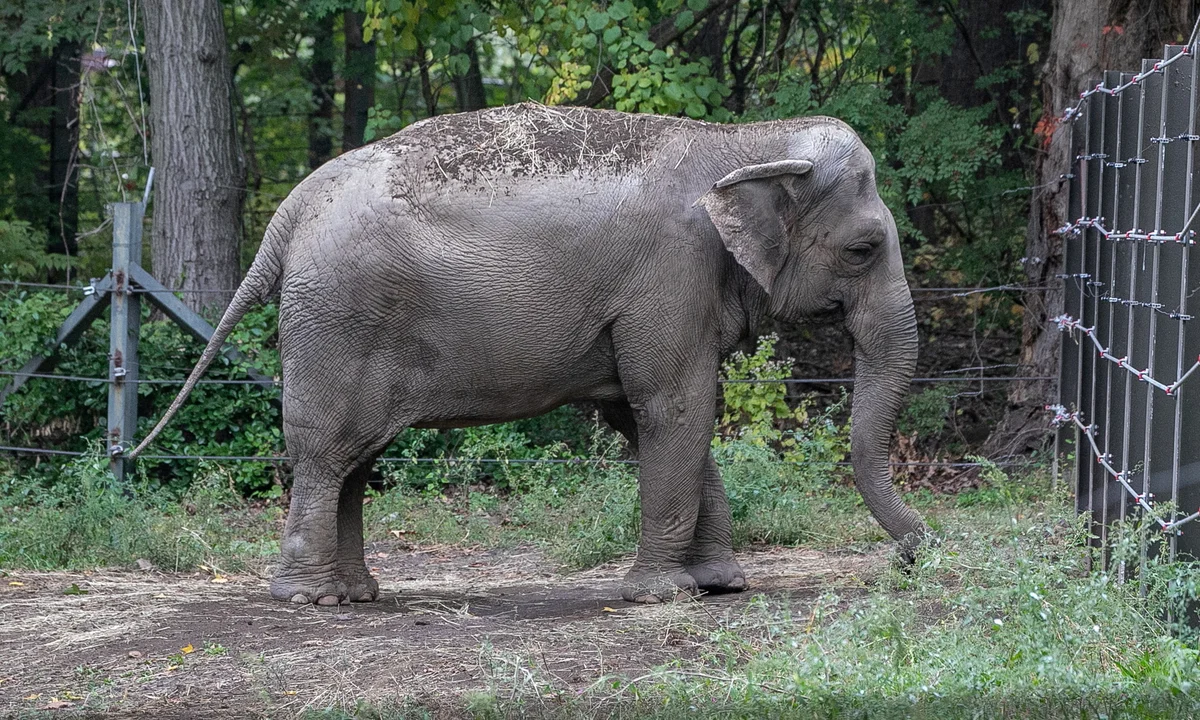
Bronx Zoo Elephant Happy Dies at 55 After Transforming Animal Cognition Research
The death of Happy, the famous Asian elephant who became internationally recognized for helping scientists better understand animal self-awareness, has renewed debate over elephant captivity, animal cognition and the future of elephants in urban zoos across the United States. Happy, who lived at the Bronx Zoo for nearly 50 years, was euthanized at age 55 after suffering from several age-related health conditions that worsened in recent weeks.
Zoo officials confirmed that veterinarians made the decision after monitoring a rapid decline in her health, including complications linked to kidney and liver function. A post-mortem examination later revealed advanced arthritis and large uterine tumors that could not be treated surgically.
Happy became one of the most recognized elephants in the world after participating in a groundbreaking scientific study that demonstrated elephants can recognize themselves in mirrors, a cognitive ability associated with self-awareness. Her life also became the center of a major legal battle involving animal rights advocates who argued she should be legally recognized as more than property.
The story of Happy extends far beyond the walls of the Bronx Zoo. Her life influenced research in animal intelligence, reshaped public discussions about elephant welfare and inspired legal debates that continue in courts across the United States.
Readers interested in wildlife conservation and elephant protection can explore organizations such as World Wildlife Fund, Wildlife Conservation Society, Smithsonian National Zoo and Elephant Voices for additional information about elephant behavior and conservation efforts worldwide.
Happy Became a Global Symbol of Elephant Intelligence
Happy arrived in the United States in the 1970s after being captured in Asia as a young elephant. She was brought to the Bronx Zoo and named after one of the dwarfs from Disney’s “Snow White and the Seven Dwarfs.” Over the following decades, she became one of the zoo’s most recognized animals and developed strong relationships with caretakers who worked with her daily.
Her global scientific significance emerged in 2005 when researchers conducted a mirror self-recognition test. During the experiment, scientists placed a visible mark above Happy’s eye and observed whether she would recognize the reflection as herself rather than another elephant. Happy repeatedly touched the mark while standing in front of the mirror, becoming one of the few nonhuman animals proven to demonstrate self-recognition.
The ability is considered an important indicator of advanced cognition and self-awareness. Before the elephant study, mirror recognition had only been confirmed in species such as great apes, dolphins and certain birds. The findings significantly changed scientific understanding of elephant intelligence and social awareness.
Researchers studying elephant cognition have long argued that elephants possess complex emotional and social structures. Studies continue to show that elephants can remember migration routes for decades, display grief after the loss of companions and cooperate in sophisticated ways within family groups.
Happy’s participation in scientific research elevated public awareness about how intelligent elephants truly are and fueled growing concerns about whether traditional zoo environments can adequately support such cognitively advanced animals.
Legal Battles Over Elephant Rights Reached National Attention
Happy later became the focus of one of the most closely watched animal rights cases in the United States. In 2018, the Nonhuman Rights Project filed a lawsuit arguing that Happy should be legally recognized as a person for the purposes of bodily liberty and transferred from the Bronx Zoo to a sanctuary.
The case generated international attention because it challenged longstanding legal definitions regarding animals and personhood. Attorneys representing the activist organization argued that Happy’s advanced cognition and emotional complexity justified legal protections beyond standard animal welfare laws.
The Bronx Zoo defended its care of the elephant, stating that Happy received expert veterinary treatment, enrichment activities and a secure environment designed for her needs. Zoo officials also argued that relocating an elderly elephant to a sanctuary after decades in one location could cause significant stress and health complications.
New York’s highest court ultimately ruled against the activists in a divided decision, determining that existing legal frameworks regarding personhood did not apply to elephants. However, dissenting opinions from judges attracted widespread discussion after describing elephant captivity as ethically troubling.
The case marked a major turning point in public debate surrounding animal rights and the treatment of highly intelligent species in captivity. Similar lawsuits involving elephants and other animals have since appeared in courts in several states.
Animal welfare advocates continue to push for expanded protections for elephants living in zoos, while zoological institutions argue they play an important role in conservation education, public awareness and species preservation.
The Future of Elephants in American Zoos Faces Increasing Scrutiny
Happy’s death leaves Patty, another elderly elephant, as the final elephant remaining at the Bronx Zoo. The Wildlife Conservation Society previously announced plans to eventually phase out elephant exhibits at the facility, reflecting broader changes taking place across many American zoos.
In recent decades, several zoos have ended elephant programs due to rising operational costs, evolving public attitudes and concerns about maintaining adequate habitats for animals that naturally travel long distances in the wild. Some institutions have transferred elephants to large sanctuaries that provide expanded outdoor environments and more opportunities for social interaction.
At the same time, many zoos continue defending elephant programs, emphasizing their contributions to conservation research, veterinary medicine and public education. Supporters argue that modern zoological facilities can help inspire future generations to support wildlife protection efforts globally.
Asian elephants remain endangered in the wild due to habitat destruction, human-wildlife conflict and poaching pressures across parts of Asia. Conservation organizations estimate that wild elephant populations continue declining in several regions despite international protection measures.
Happy’s life ultimately represented multiple sides of a global conversation about animals, science and ethics. She was simultaneously a research pioneer, a beloved zoo resident and a symbol in the debate over captivity and animal rights.
Her legacy is expected to continue influencing scientific studies, legal discussions and conservation policies for years to come as researchers and advocates reassess how humans interact with highly intelligent species.