
Israeli Strike Targets Hamas Leadership in Central Gaza
Israel’s military campaign in Gaza escalated again after a targeted airstrike in Gaza City killed Mohammed Odeh, a senior figure within Hamas’s military wing. The strike took place Tuesday in a densely populated commercial district as residents prepared for Eid al-Adha celebrations, sending shockwaves through an already fragile ceasefire environment.
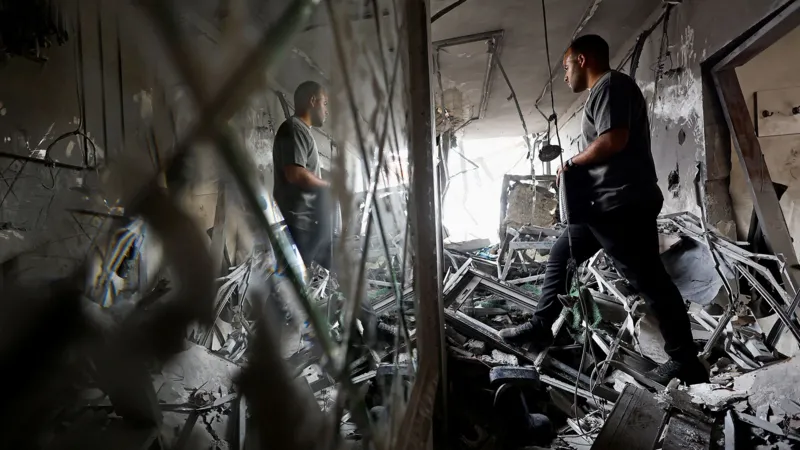
According to Israeli authorities, the operation was carried out jointly by the military and the Shin Bet security agency after months of intelligence monitoring. Officials said Odeh had been operating from several buildings used as covert command locations. The attack reportedly struck multiple upper floors of the al-Kayali building, causing extensive destruction and injuring dozens of civilians nearby.
The Israeli government described Odeh as one of the individuals linked to the October 7 attacks that triggered the ongoing war. In recent months, Israel has intensified operations against Hamas leadership figures while continuing broader military actions across the enclave. Information regarding regional security developments and diplomatic initiatives has also been discussed through institutions such as the United Nations.
Hamas later confirmed Odeh’s death, stating that his wife and two children were also killed in the strike. Funeral prayers were reportedly held in Gaza City after one of the children succumbed to injuries sustained during the bombing.
Witnesses described scenes of chaos as emergency responders attempted to reach survivors trapped beneath rubble. Residents reported hearing helicopters overhead moments before several missiles hit the structure almost simultaneously. The surrounding market area, crowded with shoppers, complicated rescue efforts and delayed access for ambulances and civil defense teams.
Ceasefire Struggles as Violence Continues Across Gaza
Although a ceasefire agreement came into effect in October, hostilities have persisted across Gaza on a near-daily basis. Hamas officials accuse Israel of violating the terms of the truce through ongoing airstrikes and military raids, while Israel insists it retains the right to target Hamas operatives and infrastructure.
The latest attack came only days after another Hamas commander, Izz ad-Din al-Haddad, was reportedly killed in a separate Israeli strike. Analysts believe Israel is attempting to weaken Hamas leadership structures before any long-term political arrangement for Gaza can be finalized.
At the same time, international concern over civilian casualties continues to grow. Humanitarian organizations monitoring conditions in the territory have warned about worsening displacement, infrastructure collapse, and shortages of medical supplies. Ongoing humanitarian coordination efforts involving agencies such as the International Committee of the Red Cross remain critical as fighting disrupts access to hospitals and aid distribution networks.
Israeli Prime Minister Benjamin Netanyahu reiterated that Israel intends to continue pursuing individuals connected to the October 7 attacks. Israeli officials also emphasized that dismantling Hamas’s governing capabilities remains a strategic objective, both militarily and politically.
Meanwhile, discussions tied to a broader U.S.-supported peace framework remain stalled. Earlier diplomatic proposals envisioned a technocratic transitional administration for Gaza alongside reconstruction and demilitarization measures. However, negotiations regarding Hamas disarmament have made little progress, with both sides maintaining deeply opposing positions.
Israeli Defense Minister Israel Katz stated that Hamas would not be allowed to govern Gaza “either civilly or militarily.” He also referenced future plans concerning population movement policies inside Gaza, comments that immediately drew renewed international scrutiny.
Regional Tensions Rise Alongside Humanitarian Concerns
The conflict in Gaza continues to affect regional stability beyond the Palestinian territory itself. Israeli military operations against Hezbollah targets in Lebanon have intensified in recent weeks, raising fears of broader escalation throughout the Middle East.
Lebanese authorities reported dozens of casualties following Israeli strikes aimed at Hezbollah infrastructure. Israel argues those operations are necessary to counter threats along its northern border, while critics warn that simultaneous conflicts risk destabilizing neighboring countries even further.
Human rights organizations and global diplomatic bodies have increasingly focused on the humanitarian toll of the war. Reports from agencies including the World Health Organization have highlighted severe strain on Gaza’s medical system, where hospitals continue operating under extreme pressure amid shortages of fuel, medicine, and electricity.
Efforts to revive negotiations remain complicated by disagreements over security guarantees, hostage releases, reconstruction funding, and future governance arrangements. International mediators, including countries involved in regional diplomacy through the U.S. Department of State, continue pressing for renewed dialogue while violence persists on multiple fronts.
Israeli officials maintain that military operations will continue until Hamas’s operational capabilities are dismantled. Hamas, meanwhile, insists that any future arrangement must include an end to Israeli military actions and guarantees regarding Gaza’s political future.