
Conflict and Ebola Create a Dangerous Emergency in Eastern Congo
The Democratic Republic of Congo is facing a rapidly deteriorating health emergency as the Ebola outbreak spreads through regions already destabilized by armed conflict and mass displacement. The World Health Organization has warned that the combination of violence, limited humanitarian access, and collapsing infrastructure is creating conditions that could significantly worsen the crisis in eastern Congo.
WHO Director-General Tedros Adhanom Ghebreyesus described the situation as a “catastrophic collision” between war and disease, emphasizing that health teams cannot effectively isolate infected patients or build trust within communities while fighting continues. The outbreak has been concentrated largely in Ituri province, an area plagued for years by armed militias, population displacement, and fragile public services.
Health officials say suspected Ebola-related deaths have climbed past 220, while nearly 1,000 people are displaying symptoms consistent with the virus. The region’s unstable security situation has complicated efforts to trace contacts, transport medical equipment, and establish treatment facilities. International humanitarian agencies including the World Health Organization continue calling for an immediate ceasefire to allow health workers safe access to affected communities.
Road infrastructure in eastern Congo remains extremely poor, making travel between villages and urban centers slow and dangerous. Many communities can only be reached after long journeys through areas where armed groups remain active. Aid organizations say these logistical challenges are allowing the virus to move faster than containment operations.
Health Workers Race to Expand Testing and Containment
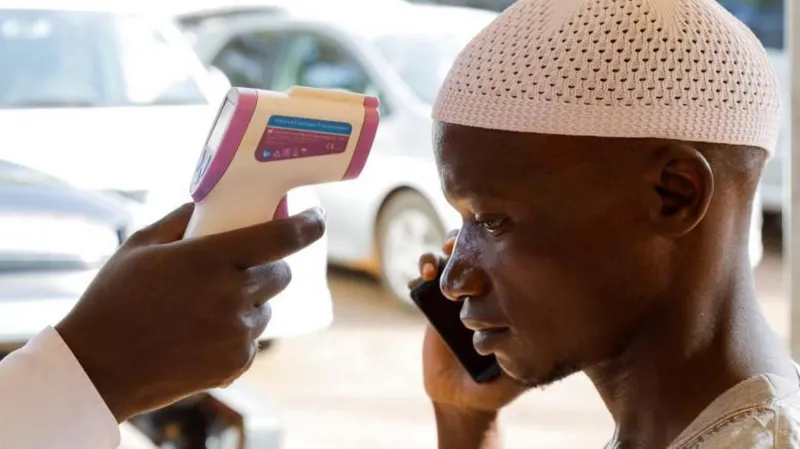
Medical teams are struggling to identify and isolate cases quickly enough to prevent wider transmission. Authorities estimate that approximately 3,600 people may have been exposed to infected individuals, creating a race against time for contact tracing teams working in difficult conditions.
The current outbreak involves the Bundibugyo strain of Ebola, a rare variant for which no approved vaccine or fully established treatment currently exists. Scientists and international health authorities are evaluating experimental therapies, including antibody-based treatments developed through global research partnerships. Information regarding infectious disease preparedness and response measures has also been supported by institutions such as the Centers for Disease Control and Prevention.
Médecins Sans Frontières, one of the leading medical organizations operating in the region, says insufficient testing capacity continues to obscure the true scale of the outbreak. Although thousands of diagnostic tests have already been distributed, experts warn that many infections may still be going undetected because of limited laboratory access and insecurity in remote communities.
Ewald Stals, MSF’s country director in DR Congo, said response teams are still working to establish proper infrastructure near the outbreak’s epicenter. According to aid workers, mobile treatment centers, protective equipment, and emergency staff are being deployed gradually, but progress remains slower than required.
Healthcare workers also face increasing risks while operating in the conflict zone. Attacks on medical facilities and growing distrust among local communities have further complicated the response. In several areas, rumors and misinformation about Ebola have discouraged residents from cooperating with health authorities or seeking treatment.
The European Union has announced additional support through the European Centre for Disease Prevention and Control, which plans to deploy more specialists to assist with surveillance, testing, and outbreak management in the coming weeks.
Travel Restrictions and International Concerns Intensify
As fears grow about the regional spread of Ebola, multiple countries have introduced stricter travel controls affecting passengers arriving from DR Congo, Uganda, and South Sudan. Governments say the measures are intended to reduce the risk of international transmission while authorities attempt to stabilize the outbreak at its source.
Canada recently announced a temporary 90-day entry restriction targeting residents from affected regions, while the Bahamas implemented quarantine and isolation requirements for some travelers. Similar actions were introduced earlier by the United States, which restricted entry for certain non-citizens who recently visited outbreak zones.
Public health experts warn that travel restrictions alone will not stop the virus if containment efforts inside Congo continue to lag behind the pace of infections. The broader humanitarian crisis, fueled by armed conflict and mass displacement, remains one of the largest barriers to controlling the epidemic.
International relief agencies are continuing to transport disinfectants, testing kits, chlorine supplies, and emergency medical equipment into affected provinces despite major security risks. Humanitarian coordination involving organizations such as the International Committee of the Red Cross has become increasingly important as medical teams attempt to maintain access to vulnerable communities.
Doctors working on the ground say many local clinics remain dangerously under-equipped to handle a large-scale outbreak. Limited staffing, shortages of protective equipment, and fears among residents about visiting hospitals threaten to overwhelm an already fragile healthcare system in eastern Congo.