A new generation of Indigenous students is combining technology with cultural preservation by building interactive robots designed to teach Native languages. This creates an innovative approach to safeguarding traditions that have been at risk of disappearing for generations.
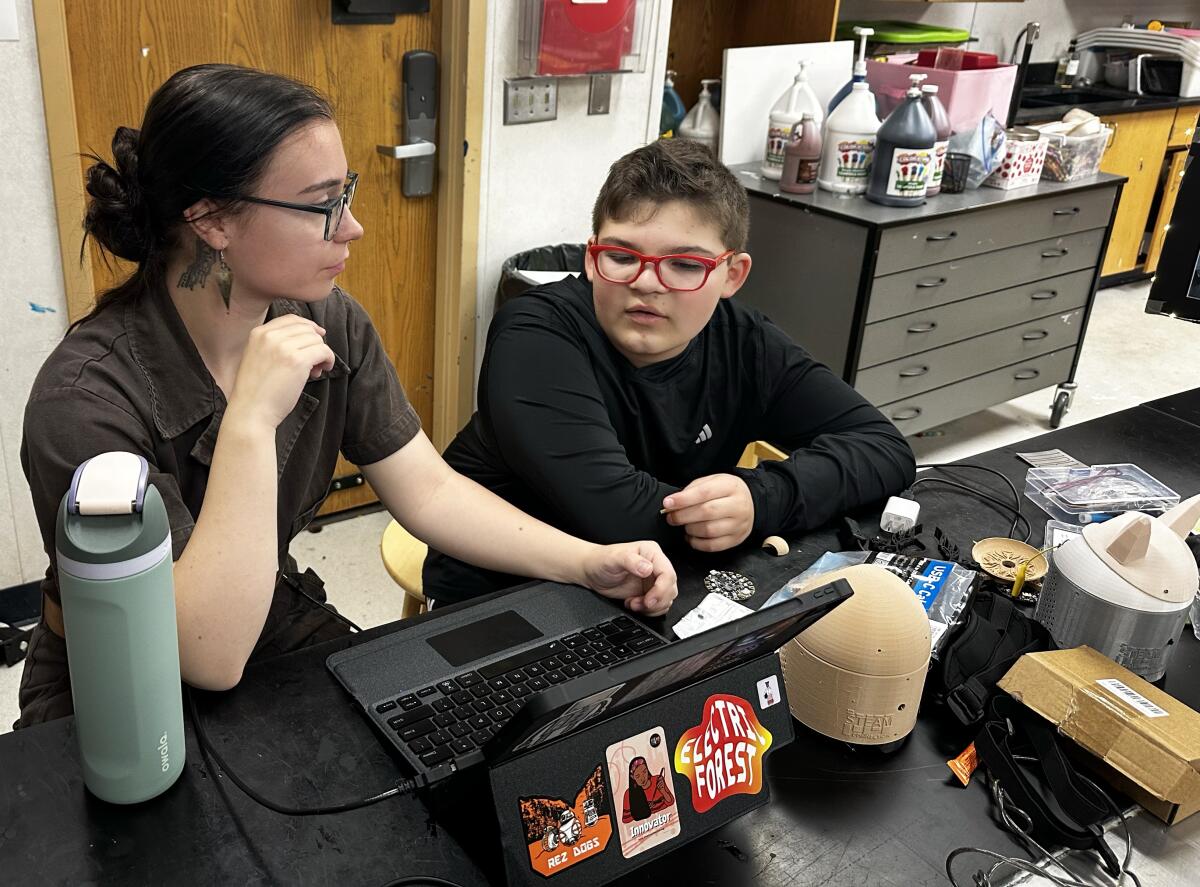
Developed through educational programs led by Indigenous engineer and entrepreneur Danielle Boyer, the customizable robots encourage young learners to practice their ancestral languages. At the same time, students explore science, technology, engineering, and mathematics (STEM).
Technology Meets Cultural Preservation
The educational robots, known as SkoBots, are designed to respond to voice prompts. They teach vocabulary in Indigenous languages through prerecorded audio provided by fluent speakers.
Rather than relying on generative artificial intelligence, the devices recognize specific commands and play verified language recordings. As a result, students receive accurate pronunciation and authentic linguistic knowledge.
The project focuses on languages such as Anishinaabemowin, spoken by the Ojibwe, Odawa, and Potawatomi peoples. Meanwhile, it also offers a model that can be adapted for other Indigenous communities working to revitalize their native languages.
By combining robotics with language education, students become active participants in preserving their cultural identity while gaining valuable technical skills.
Inspiring the Next Generation of Indigenous Innovators
Students participating in the program build, customize, and program their own robots. Afterwards, they present their projects at school exhibitions and community events.
For many participants, the experience goes beyond learning engineering concepts. It strengthens their connection to their heritage and encourages them to take pride in their Indigenous identity.
The robots are often designed to represent culturally significant animals and symbols, reinforcing traditional teachings alongside language lessons. Through interactive learning, children are motivated to explore vocabulary, pronunciation, and storytelling in a way that feels engaging rather than academic.
The initiative also introduces young learners to responsible uses of artificial intelligence. It emphasizes ethical technology development and the importance of protecting Indigenous knowledge.
Innovation Supports Language Revitalization
Across North America, many Indigenous languages face the challenge of declining numbers of fluent speakers. This is due to historical policies that discouraged or prohibited Native language use.
Projects like SkoBots demonstrate how modern technology can support community-led language revitalization efforts without replacing human teachers or fluent speakers.
Educators involved in the initiative stress that technology should serve as a tool to encourage curiosity and increase opportunities for language practice. They also emphasize the importance of keeping cultural knowledge in the hands of Indigenous communities.
As more schools and organizations embrace innovative educational approaches, programs that combine robotics, cultural education, and STEM learning are creating new opportunities for young people. These opportunities allow them to preserve their languages and traditions for future generations.
The success of SkoBots highlights how technology, when developed with cultural respect and community leadership, can become a powerful resource for protecting Indigenous heritage. Above all, it inspires the next generation of innovators.