Salamanca, New York — A school district in western New York has temporarily suspended plans to introduce an AI-powered humanoid robot into its high school. This decision came after parents, educators, and state officials raised concerns about student privacy, the robot’s educational role, and the background of its manufacturer.
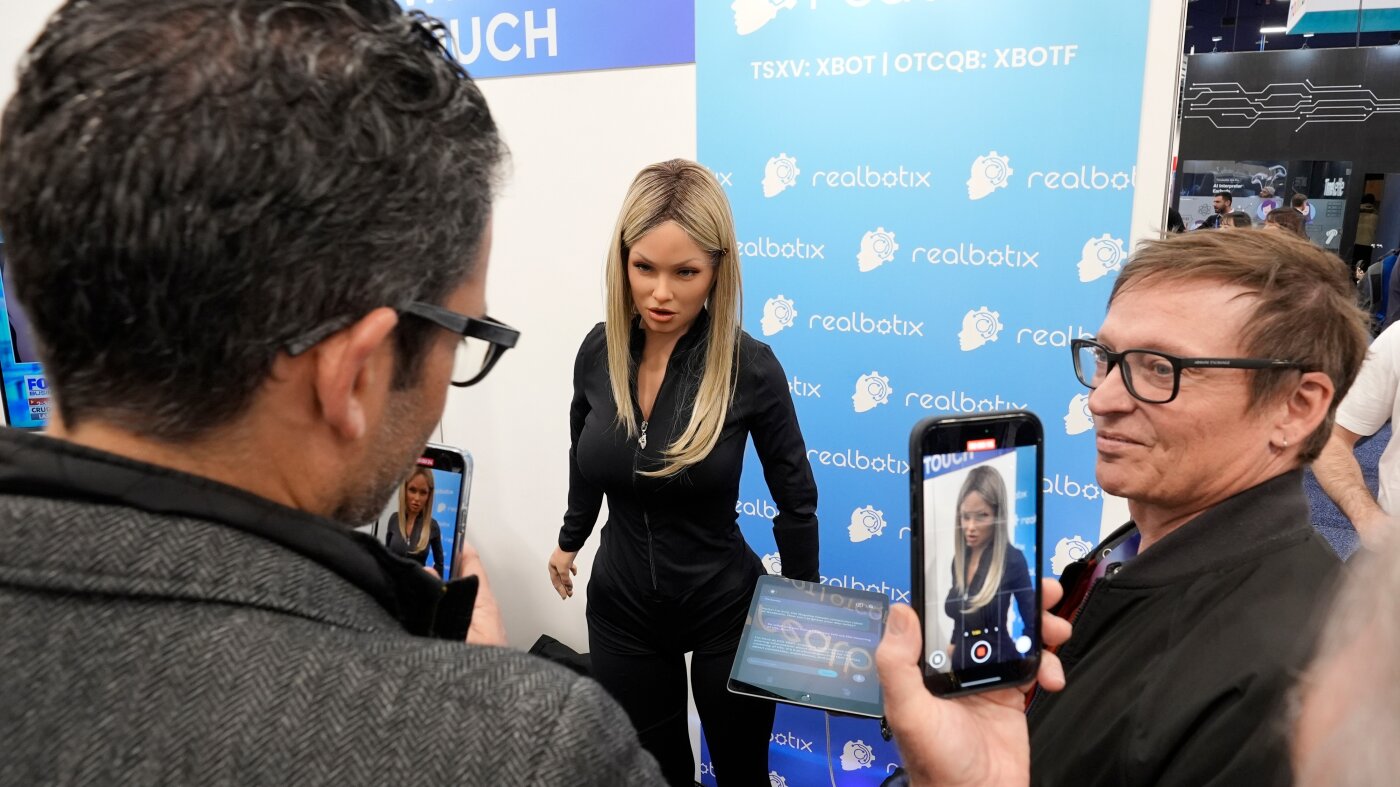
The Salamanca City Central School District had approved the purchase of a humanoid robot, informally named “Sally,” as part of an initiative to enhance robotics and technology education. The project is valued at nearly $60,000. It was intended to give students hands-on experience with artificial intelligence, programming, and robotics maintenance.
However, the initiative has been placed on hold. During this pause, district leaders will work with state education officials to address privacy protections and gather additional community feedback.
Privacy and Manufacturer Ties Spark Debate
The proposed pilot quickly drew attention after community members questioned how student information would be protected. This concern arose due to interactions with the AI-powered robot.
Additional controversy emerged because Realbotix, the company producing the robot, has corporate connections to a separate business known for manufacturing highly realistic adult companion robots. Although both the school district and Realbotix emphasized that the educational robotics division operates independently, the association prompted criticism from teachers’ unions and local residents.
State Education Commissioner Betty Rosa also requested further clarification regarding the robot’s intended classroom role. In addition, she sought details about the safeguards that would protect student data throughout the pilot program.
District Says Robot Was Never Intended to Replace Teachers
School officials stressed that the humanoid robot was designed to support STEM education rather than serve as a classroom instructor.
According to district leaders, students would have used the robot to ask questions about programming, robotics, and engineering concepts. At the same time, they would also learn how artificial intelligence systems are maintained, updated, and repaired.
The pilot also included plans for virtual AI tutoring tools. However, administrators emphasized that no technology would replace certified teachers or assume instructional responsibilities.
AI Continues to Transform Education
The Salamanca proposal reflects a broader trend of schools exploring artificial intelligence as an educational resource. Around the world, districts are testing AI-powered tutoring platforms, virtual teaching assistants, and robotics programs to supplement classroom learning.
Supporters argue that these technologies can expand access to personalized instruction. In addition, they can expose students to emerging technologies that are increasingly shaping the modern workforce.
Critics, however, continue to emphasize the importance of protecting student privacy. They also stress ensuring transparency in AI systems, and preserving the essential role of human educators in building relationships and supporting student development.
As artificial intelligence becomes more common in education, school systems are expected to face growing pressure. They must balance technological innovation with ethical standards, community trust, and strong data protection policies.