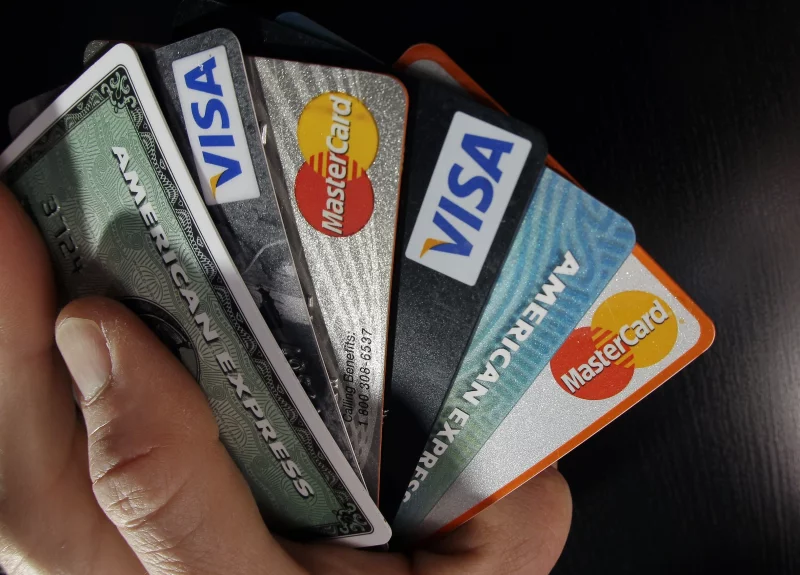
For thousands of American families, bankruptcy is no longer viewed as a financial failure. Instead, it is seen as a legal tool for regaining stability after years of mounting debt. Rising borrowing costs, persistent inflation, higher housing expenses and growing credit card balances are pushing more households to seek court protection. This helps them reorganize their finances rather than falling further behind.
Recent court data shows that personal bankruptcy filings have continued to increase compared with recent years. This reflects the financial strain many consumers continue to experience despite relatively stable employment figures. Financial specialists caution that bankruptcy remains a last-resort solution. Nevertheless, they note that the growing number of filings highlights broader challenges affecting household budgets across the United States.
Financial Pressure Is Building Across American Households
Consumer spending has remained resilient. Still, many families rely more heavily on revolving credit to cover everyday expenses. Higher interest rates have significantly increased the cost of carrying debt. Therefore, households that accumulated balances during periods of elevated inflation are affected more.
According to the Federal Reserve, household debt has continued to reach new highs. Mortgage balances, auto loans, student debt and credit card borrowing remain elevated. Information on consumer credit trends can be found at Federal Reserve.
Financial advisers say bankruptcy rarely results from a single unexpected event. Instead, it often follows months or even years of financial pressure caused by multiple factors. These include medical expenses, reduced income, divorce, unexpected unemployment or rising living costs that gradually become impossible to manage.
While bankruptcy can negatively affect a person’s credit profile in the short term, legal experts emphasize immediate protections. For example, bankruptcy stops most collection efforts and creates a structured path for resolving eligible debts.
Why Bankruptcy Filings Are Increasing Again
During the COVID-19 pandemic, government stimulus programs, expanded unemployment benefits and temporary relief measures helped suppress bankruptcy filings. As many of those programs expired, households became fully responsible for servicing debt under a much more expensive borrowing environment.
The Administrative Office of the U.S. Courts continues to publish nationwide bankruptcy statistics through U.S. Courts. Courts, showing that personal filings have steadily recovered from pandemic-era lows.
Economists caution against interpreting bankruptcy alone as a measure of the overall economy. Labor market conditions, wage growth and consumer confidence remain important indicators. Nevertheless, rising bankruptcy filings often reveal financial stress among vulnerable households long before broader economic data reflects significant deterioration.
Financial counselors frequently encourage consumers experiencing persistent payment difficulties to seek professional advice. They advise doing so before exhausting retirement savings or accumulating additional high-interest debt.
Bankruptcy Remains a Last Resort Rather Than a First Choice
Consumer advocates emphasize that bankruptcy laws were created to provide individuals an opportunity to recover financially. Rather than remain trapped indefinitely by overwhelming obligations, some debt may be discharged depending on the circumstances. Other cases involve court-approved repayment plans that last several years.
The Internal Revenue Service also provides guidance regarding the tax treatment of canceled debts and bankruptcy-related issues through Revenue Service.
Experts recommend evaluating all available alternatives—including debt restructuring, negotiated repayment plans and certified credit counseling—before filing for bankruptcy. Additionally, educational resources on managing debt and improving financial literacy are available from the Consumer Financial Protection Bureau Financial Protection Bureau.
Although filing for bankruptcy can carry emotional and financial consequences, specialists increasingly describe it as a legal mechanism designed to help consumers rebuild financial stability. They see it rather than as a permanent mark of financial failure.