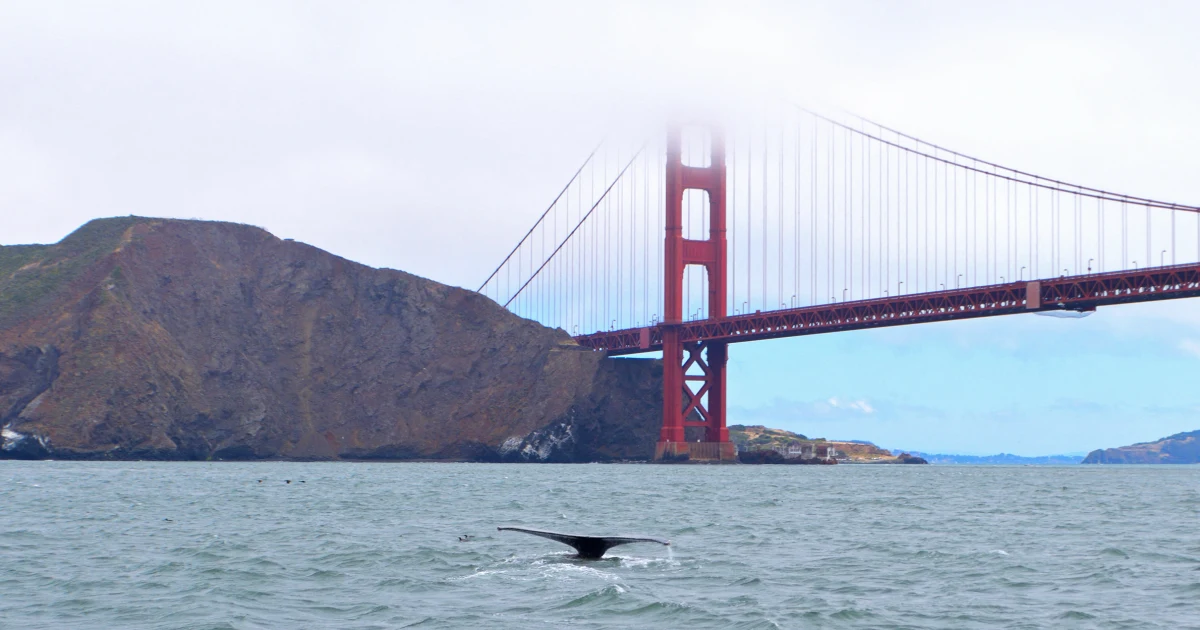
Gray whales in San Francisco Bay are becoming a more common sight as changing environmental conditions alter migration patterns along the U.S. West Coast. While the appearance of these massive marine mammals has captivated residents and visitors, scientists warn that their growing presence in one of the nation’s busiest waterways is creating serious conservation challenges.
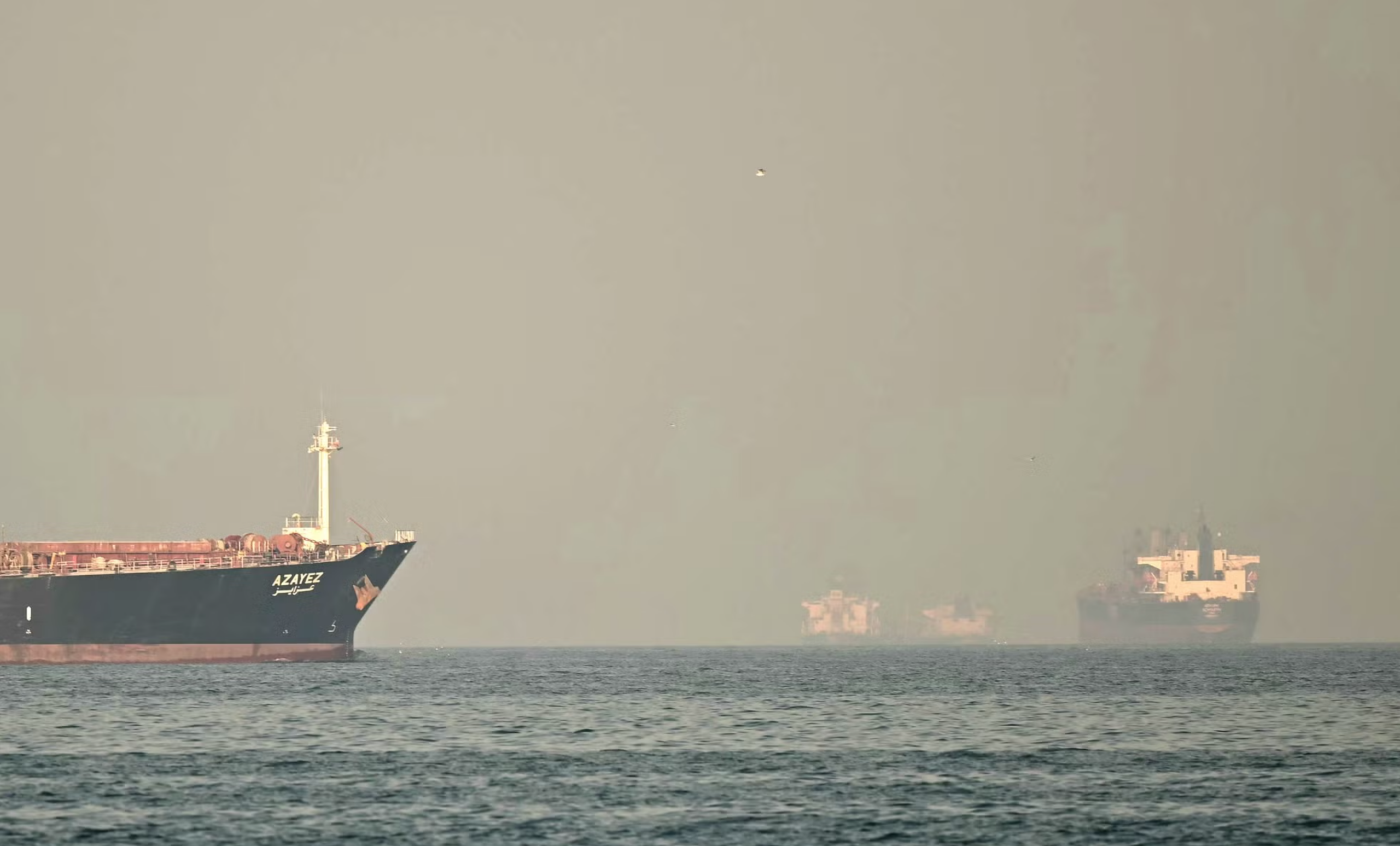
Researchers say climate-driven changes in Arctic ecosystems are forcing many gray whales to seek food in new locations during their annual migration between Mexico and Alaska. As a result, increasing numbers of whales are entering San Francisco Bay. There they face heightened risks from commercial shipping traffic, ferries, and other vessels.
To address the threat, scientists, government agencies, and conservation organizations are deploying advanced technology designed to detect whales. They also provide real-time alerts to vessel operators.
Climate Change Is Altering Gray Whale Migration Patterns
Gray whales undertake one of the longest migrations of any mammal on Earth. They travel approximately 12,000 miles round trip each year between breeding grounds in Mexico and feeding areas in the Arctic.
Historically, San Francisco Bay was not a major feeding destination for these animals. However, marine biologists have observed a growing number of whales spending extended periods inside the bay in recent years.
Information about gray whale populations and migration patterns can be found through the National Oceanic and Atmospheric Administration.
Scientists believe the shift is closely linked to climate change. Arctic sea ice continues to decline, transforming ecosystems that support the tiny crustaceans and other prey species gray whales depend upon for survival. As food sources become less abundant, whales are increasingly stopping in alternative locations. They do this to replenish energy reserves needed for their lengthy migration.
Marine researchers report that many whales arriving along the California coast show signs of malnutrition, suggesting that changing environmental conditions are making it more difficult for them to obtain sufficient food in traditional feeding grounds.
Population trends have also raised concern. Gray whale numbers in the North Pacific have declined significantly over the past decade. Therefore, the importance of protecting individual animals throughout their migration routes has increased.
Ship Strikes Have Become a Major Threat to Whale Survival
While San Francisco Bay offers feeding opportunities, it also exposes whales to one of the busiest maritime transportation corridors in North America.
Commercial cargo ships, ferries, recreational boats, and other vessels travel through the bay daily, creating conditions where collisions with whales can occur. Information about vessel traffic management is available through the United States Coast Guard.
Marine scientists have documented multiple whale deaths in the region this year, with evidence indicating that several were caused by vessel strikes. Necropsies conducted on deceased whales have revealed injuries consistent with blunt-force trauma from ship collisions.
The challenge is particularly significant because gray whales often remain near the water’s surface while feeding. Their behavior can make them difficult for vessel operators to detect, especially during nighttime hours or periods of reduced visibility.
Conservation experts emphasize that preventing ship strikes has become increasingly important as whale populations face additional pressures from climate change, habitat shifts, and changing food availability.
Reducing vessel-related mortality is viewed as one of the most achievable conservation measures currently available to help support the species.
AI-Powered Whale Detection Offers a New Conservation Tool
To address the growing threat, researchers have implemented a new monitoring system that combines thermal imaging technology, artificial intelligence, and human oversight.
The system uses specialized cameras positioned in San Francisco Bay to detect the warm spray created when whales exhale. Artificial intelligence software analyzes the thermal signatures and identifies potential whale sightings. Human reviewers then verify the detections before information is distributed to vessel operators.
Information about marine conservation technology and whale monitoring initiatives can be found through the Whale Safe Program and the Benioff Ocean Science Laboratory.
Once a whale is confirmed, alerts can be transmitted to ships and other vessels operating in the area. Consequently, operators can reduce speed or adjust navigation when possible.
The technology also improves monitoring capabilities during nighttime hours, when visual observations are more difficult. Researchers believe this expanded detection capacity could significantly reduce the likelihood of vessel collisions.
Additional monitoring equipment is being installed throughout the region, including systems mounted on ferries that regularly operate in the bay.
Scientists view the project as a practical example of how technology can help address conservation challenges created by climate change and increasing human activity. While gray whales continue adapting to rapidly changing environmental conditions, researchers hope that improved monitoring and awareness will provide these animals with a safer passage through one of the world’s busiest coastal ecosystems.
The growing presence of gray whales in San Francisco Bay underscores the complex ways climate change is reshaping wildlife behavior. Furthermore, it highlights the importance of innovative solutions that allow both marine life and human activity to coexist more safely.