A Sudden Halt to Longstanding Programs
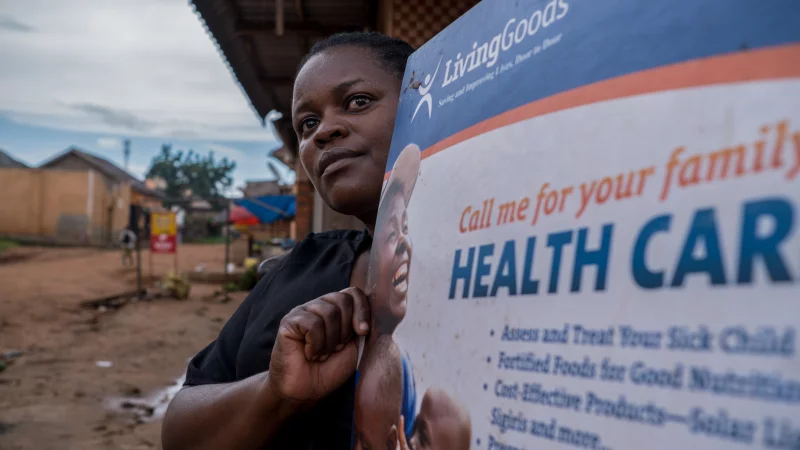
In communities across sub-Saharan Africa, the effects of US foreign aid birth control cuts are becoming increasingly visible. Reduced U.S. support for family planning also plays a role. For years, community health workers like Prossy Muyingo in Uganda provided discreet and essential services. They helped women access contraception in environments where privacy and safety were not guaranteed.
Muyingo often assisted women who feared repercussions at home if their contraceptive use became known. Some relied on her home as a safe space to store and take medication. That system, built on trust and accessibility, has largely disappeared following the termination of funding that supported her role.
The shift stems from a broader policy decision to scale back international reproductive health initiatives. Programs historically funded through agencies such as the U.S. Agency for International Development have been significantly reduced, despite previously allocated budgets. This has left many frontline workers without resources, forcing them to continue informally or stop altogether.
Global Impact on Health Systems
For decades, the United States was the leading contributor to international family planning, providing more than $500 million annually. This accounted for a substantial share of global funding. These investments enabled millions of women to access modern contraceptive methods. As a result, unintended pregnancies declined and maternal health outcomes improved.
With funding now largely withdrawn, healthcare systems in dozens of countries are under strain. Clinics have closed, supply chains have been disrupted, and shortages of contraceptive pills, implants, and related medications have become widespread. Organizations like the United Nations Population Fund have warned of a growing gap between demand and available resources.
The consequences extend beyond healthcare delivery. Experts point to increased risks of unintended pregnancies and higher maternal mortality rates. There is also added pressure on already fragile public health infrastructures. Research institutions such as the Guttmacher Institute have long documented the measurable benefits of sustained investment in reproductive health. Furthermore, they highlight how access to contraception directly influences economic stability and social development.
Policy Debate and Human Consequences
The policy shift has sparked debate over the role of foreign aid in global health. While funding levels approved by lawmakers remain similar—around $575 million annually—much of the money has not been distributed. Officials have argued that international family planning does not align with current strategic priorities. Instead, they emphasize a more selective approach to global health spending.
Critics contend that reducing access to contraception may have unintended long-term consequences, including increased poverty and migration pressures. Public health experts who are affiliated with institutions like the Johns Hopkins Bloomberg School of Public Health argue that stable population growth and access to healthcare contribute to global stability. This, in turn, can indirectly benefit donor nations.
On the ground, the effects are immediate and personal. Former patients of community health workers now face limited options, longer travel distances, and fewer confidential services. Some are forced to switch contraceptive methods, while others are unable to access any at all. In certain cases, women have reported unintended pregnancies after losing access to consistent care.
As local systems adjust to the sudden withdrawal of support, many health workers continue their efforts without pay. They rely on community ties and personal commitment. However, without structured programs and reliable supply chains, their ability to meet growing demand remains severely constrained.