Escalating Pressure on ABC and Disney
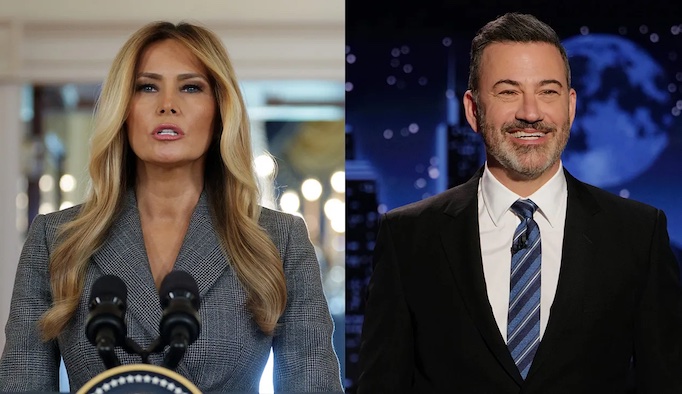
A growing confrontation between federal regulators and one of the largest media companies in the United States is unfolding as authorities move toward an extraordinary review of broadcast licenses tied to ABC. In fact, the FCC ABC license challenge Kimmel is now at the center of the debate. The action comes amid mounting political pressure surrounding late-night host Jimmy Kimmel and his on-air commentary. This has triggered sharp reactions at the highest levels of government.
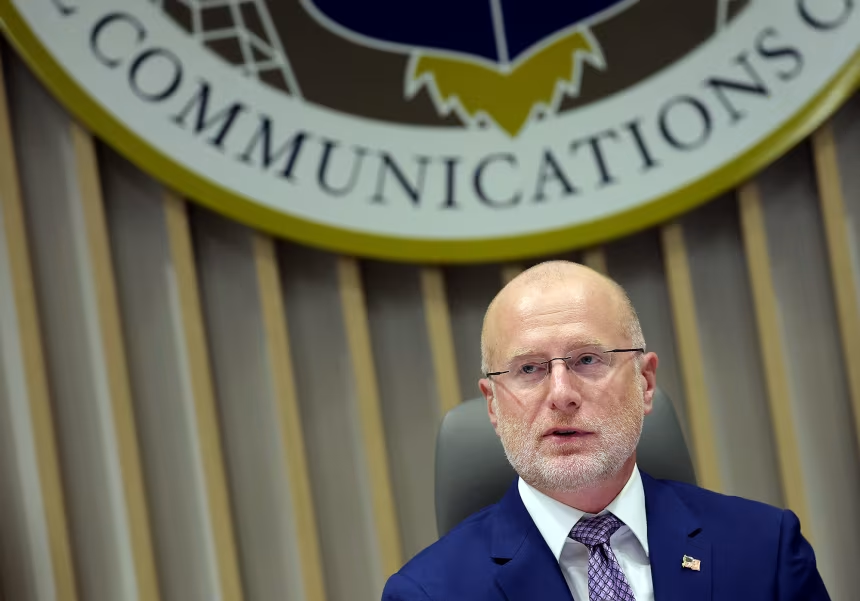
Officials are reportedly preparing to initiate an early review process affecting multiple ABC-owned television stations, a step rarely taken in modern regulatory history. The potential move would directly impact the parent company, The Walt Disney Company, which oversees ABC’s operations. Importantly, Disney has so far stood by its programming decisions.
Although license renewals typically occur on a fixed, multi-year schedule, regulators are considering invoking authority under the Communications Act of 1934 to accelerate the process. Such a decision would represent a significant escalation, signaling a willingness to scrutinize not only technical compliance but also broader operational practices within the network. Consequently, the FCC ABC license challenge Kimmel could set a precedent. That could impact other industries as well.
The controversy intensified following public criticism directed at Kimmel, with calls for disciplinary action that the network has not acted upon. Instead, ABC continued airing its regular programming. This reinforced its position amid the growing dispute.
Legal and Constitutional Tensions Emerge
The planned license review is expected to ignite a complex legal battle centered on constitutional protections and the limits of regulatory authority. Broadcasting licenses are subject to oversight, but they are also shielded by strong legal precedents that protect editorial independence and free expression. Furthermore, the FCC ABC license challenge Kimmel raises new questions about the scope of First Amendment rights for broadcasters.
Legal analysts argue that any attempt to tie licensing decisions to program content could face significant challenges under the First Amendment. Advocacy groups, including the Freedom of the Press Foundation, have warned that using regulatory tools to influence or punish media content would set a troubling precedent. This would affect press freedom in the United States.
Within regulatory circles, the move has also sparked internal debate. Critics contend that the process itself—regardless of its outcome—could impose substantial financial and operational burdens on broadcasters. This could force them to divert resources into legal defense rather than programming and public service obligations. As a result, the FCC ABC license challenge Kimmel is being watched by media companies nationwide.
The Federal Communications Commission has broad authority to oversee broadcast licenses, but its enforcement powers traditionally focus on technical compliance, ownership rules, and public interest obligations. Rather, they do not focus on editorial decisions or political content.
Industry Impact and Broader Implications
Beyond the immediate dispute, the situation is being closely watched across the media and technology sectors, where concerns are growing about regulatory overreach and its potential ripple effects. Broadcasters rely on license stability to plan long-term investments, and any deviation from established renewal processes could introduce uncertainty into the market.
Media companies are also weighing the implications for creative freedom, particularly in areas such as political satire and commentary, which have long been protected forms of expression. The outcome of this case could influence how networks approach sensitive topics. That could potentially reshape editorial strategies across the industry.
At the same time, policymakers appear to be signaling a broader willingness to scrutinize corporate practices, including diversity initiatives and content balance, as part of regulatory oversight. This expanding scope of review raises questions about how future cases may be handled. It also raises questions about whether similar actions could be taken against other broadcasters.
As the process unfolds, the dispute is expected to test the boundaries between government authority and constitutional protections. This will place the relationship between regulators and media organizations under intense national scrutiny.