Anxietyland Graphic Memoir by Gemma Correll Offers Deep Insight Into Anxiety, Panic Disorder, and Mental Health Recovery
In an increasingly open conversation around mental health, Anxietyland, the graphic memoir by Gemma Correll, stands out as a visually compelling and emotionally honest exploration of anxiety and panic disorder. Through a combination of sharp illustrations and deeply personal storytelling, Correll constructs a symbolic world that mirrors the lived experience of chronic anxiety, transforming internal struggles into vivid, recognizable imagery.
Set against the backdrop of a severe panic episode in 2018, the narrative begins with Correll in crisis, navigating a prolonged period of emotional and physical distress. What unfolds is not only a depiction of a breaking point but also a broader reflection on a lifetime shaped by persistent anxiety.
A Visual Language for Anxiety and Panic Disorder
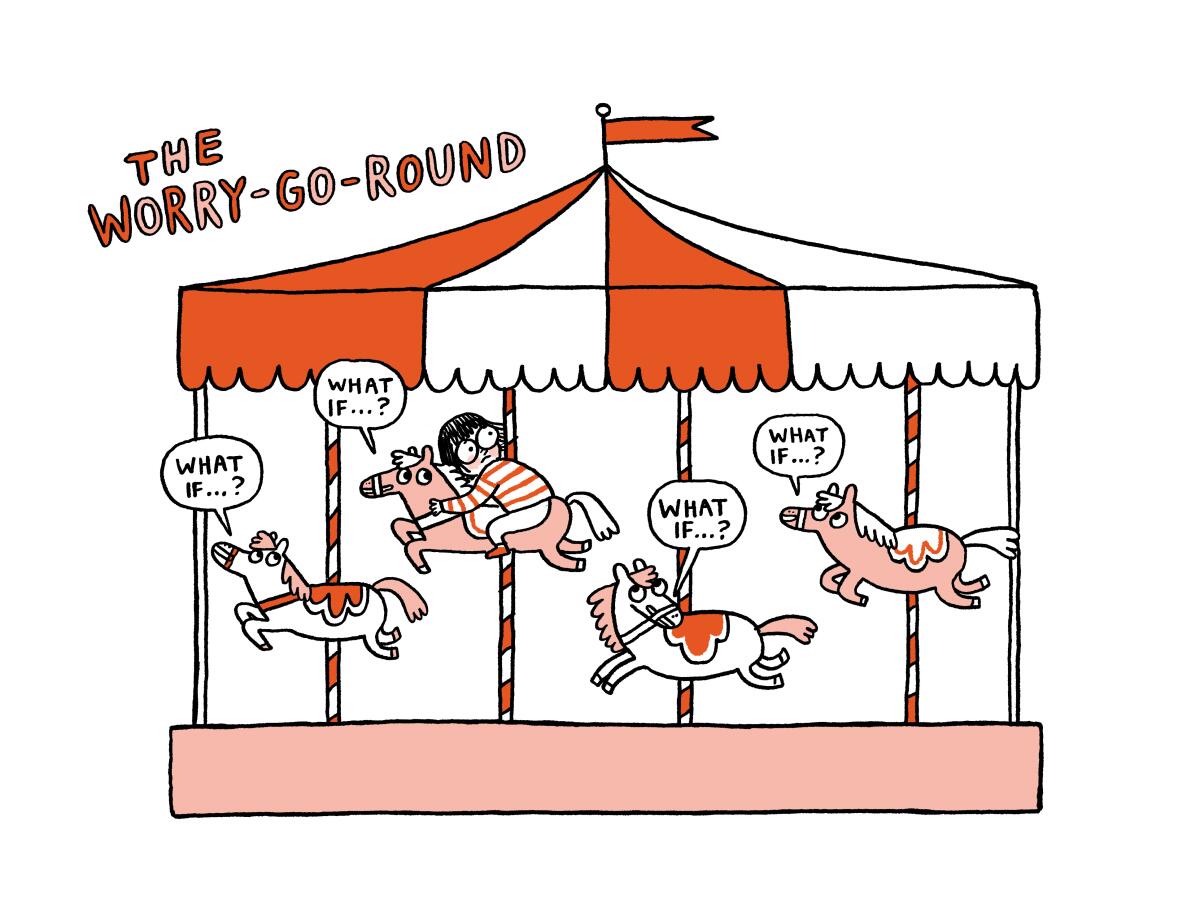
One of the most distinctive aspects of Anxietyland is its conceptual framing of anxiety as a theme park filled with unsettling attractions. Through this metaphor, Correll translates abstract emotional states into concrete experiences, including rides like the “Emotional Roller Coaster” and the “Worry-Go-Round.” These elements serve as recurring motifs that illustrate the cyclical and often uncontrollable nature of anxious thoughts.
The memoir introduces “The Bad Feeling,” a recurring visual representation of anxiety depicted as a threatening, ever-present entity. This figure embodies intrusive thoughts and emotional distress, reinforcing how anxiety can feel external yet inescapably tied to one’s identity. The consistency of this imagery allows readers to better understand the persistence and intensity of anxiety disorders.
Correll’s artistic approach aligns with broader discussions in mental health advocacy, such as those explored by organizations like the National Institute of Mental Health (https://www.nimh.nih.gov), where anxiety disorders are defined as conditions that significantly interfere with daily functioning. By visualizing these disruptions, Anxietyland bridges the gap between clinical definitions and lived experience.
From Childhood Anxiety to Adult Crisis
The memoir traces Correll’s relationship with anxiety back to childhood, emphasizing how early emotional patterns can evolve into more complex mental health conditions over time. Feelings of social isolation, heightened sensitivity, and constant worry form the foundation of her experiences, later intensifying under adult pressures such as work, relationships, and financial responsibilities.
As Correll transitions into adulthood, her coping mechanisms shift, including attempts to suppress anxiety through overwork and alcohol. These strategies, while temporarily effective, ultimately contribute to a deeper emotional collapse. This progression reflects patterns often discussed in mental health research, including resources from the Anxiety & Depression Association of America (https://adaa.org), which highlight how untreated anxiety can escalate into panic disorders.
The turning point occurs during a severe panic episode that leads Correll to seek medical intervention. Her decision to pursue professional help marks a critical moment in the narrative, emphasizing the importance of recognizing when support is necessary.
Therapy, Diagnosis, and Learning to Cope
Following her hospitalization, Correll begins a structured process of understanding and managing her condition. Through outpatient care, she receives a formal diagnosis of anxiety and panic disorder, gaining access to therapeutic tools and language that help contextualize her experiences.
Treatment becomes a central theme in the latter part of the memoir, including therapy, medication, and peer support. These elements reflect widely accepted approaches in mental health care, similar to those outlined by Mental Health America (https://www.mhanational.org), where a combination of professional guidance and self-awareness is key to long-term management.
Importantly, Anxietyland does not present recovery as a linear or complete resolution. Instead, Correll emphasizes adaptation and resilience, acknowledging that anxiety remains part of her life while demonstrating that it can be managed effectively.
This perspective aligns with evolving narratives in mental health discourse, including educational initiatives from platforms like Mind (https://www.mind.org.uk), which advocate for realistic expectations around recovery and coping strategies.
A Narrative of Persistence Rather Than Perfection
Mientras Anxietyland incorporates humor and wit, its core message centers on endurance rather than transformation. Correll’s confident artistic style contrasts with the vulnerability of her subject matter, highlighting the disconnect that often exists between outward appearance and internal experience.
The memoir ultimately positions anxiety not as a condition to be eliminated, but as one to be understood and navigated. By sharing her journey, Correll contributes to a broader cultural shift toward openness and acceptance in conversations about mental health.
Through its combination of visual storytelling and emotional depth, Anxietyland offers readers not only recognition but also a nuanced portrayal of what it means to live with anxiety in a modern context.