A Low-Cost Strategy Under Pressure
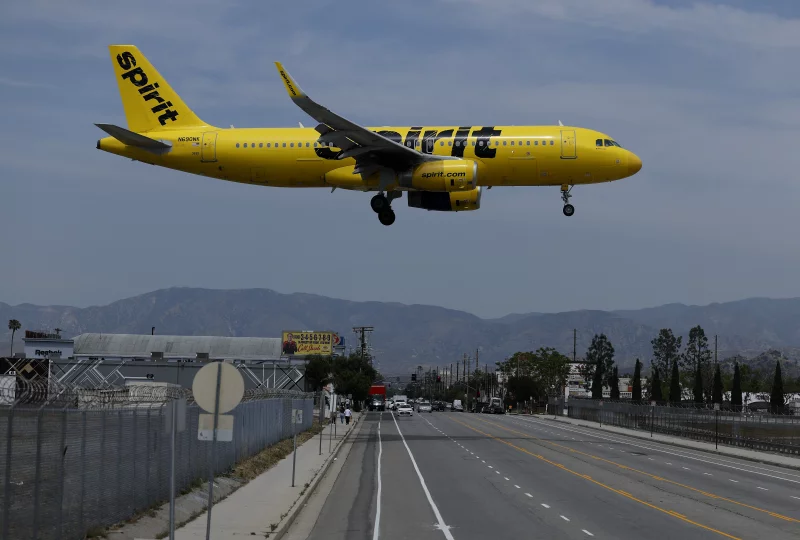
Spirit Airlines built its reputation on offering ultra-low fares by stripping air travel down to its essentials. The model was simple: attract price-sensitive passengers with cheap base tickets, then charge additional fees for services that were once included. But in recent years, Spirit Airlines business model crisis has become a topic of concern for both industry analysts and passengers. This approach—often described as unbundling—allowed the airline to position itself as a budget-friendly alternative in a competitive market. Spirit Airlines business model crisis has demonstrated the limitations of relying solely on ultra-low fares to attract customers.
For travelers like small business owner Aran Darling, this pricing strategy initially made sense. Booking a red-eye flight from Los Angeles to New York seemed like a cost-effective way to attend an important work event. However, concerns quickly grew as reports of financial instability surrounding Spirit began circulating. The possibility of cancellations or even operational shutdowns highlighted the fragility of a business model heavily dependent on maintaining low costs. In fact, Spirit Airlines business model crisis is now closely watched by industry observers due to its broader implications.
Airlines adopting this strategy often rely on consumer behavior patterns shaped by comparison platforms and price transparency. Industry dynamics tracked by organizations such as International Air Transport Association show how competitive pricing has reshaped passenger expectations, pushing carriers to continuously adjust their offerings.
Legacy Carriers Strike Back
While Spirit once thrived by undercutting traditional airlines, major carriers eventually adapted. Companies like Delta, United, and American introduced “basic economy” fares, mirroring the stripped-down experience of budget airlines while leveraging their broader networks and established customer bases.
This shift allowed legacy airlines to compete directly on price without abandoning premium services for higher-paying customers. At the same time, they strengthened loyalty programs, offering frequent flyers incentives such as upgrades, priority boarding, and travel rewards. These programs, often tied to credit card partnerships, have become central to airline profitability.
Economic research supported by institutions like the Brookings Institution suggests that loyalty systems can influence consumer decisions beyond simple ticket pricing. Travelers may choose a more expensive flight to accumulate points or maintain status, giving larger airlines a strategic advantage that smaller competitors struggle to match.
Budget airlines attempted to replicate these programs, but their limited route networks and smaller scale reduced their effectiveness. As a result, Spirit and similar carriers found themselves competing not only on price but also against a complex ecosystem of incentives that favor larger operators. Moreover, the Spirit Airlines business model crisis has placed additional pressure on budget carriers as their advantages diminish.
Rising Costs and Shifting Demand
Beyond competitive pressures, broader economic trends have intensified challenges for budget airlines. Rising fuel costs, labor shortages, and inflation have increased operational expenses across the aviation sector. For a company built on offering the lowest possible fares, even modest cost increases can significantly impact profitability.
Data from sources like the U.S. Energy Information Administration highlights how fluctuations in fuel prices directly affect airline margins. At the same time, higher wages—particularly for pilots—have added to financial strain, disproportionately affecting low-cost carriers with tighter margins.
On the demand side, consumer behavior has also shifted. While higher-income travelers continue to spend on premium experiences, budget-conscious passengers are cutting back. Economic pressures, including rising living costs, have made discretionary spending like air travel less accessible for many households.
Financial indicators tracked by the Federal Reserve reflect these broader trends, showing how inflation and interest rates influence consumer spending patterns. For airlines targeting cost-sensitive customers, reduced demand further complicates an already difficult environment. As a final note, Spirit Airlines business model crisis is a case study for understanding how multiple factors can disrupt even the most established low-cost strategies.
Spirit’s challenges illustrate how a once-disruptive business model is being squeezed from multiple directions—by competitors adopting similar pricing tactics, by rising operational costs, and by changing consumer priorities in an uncertain economic landscape.