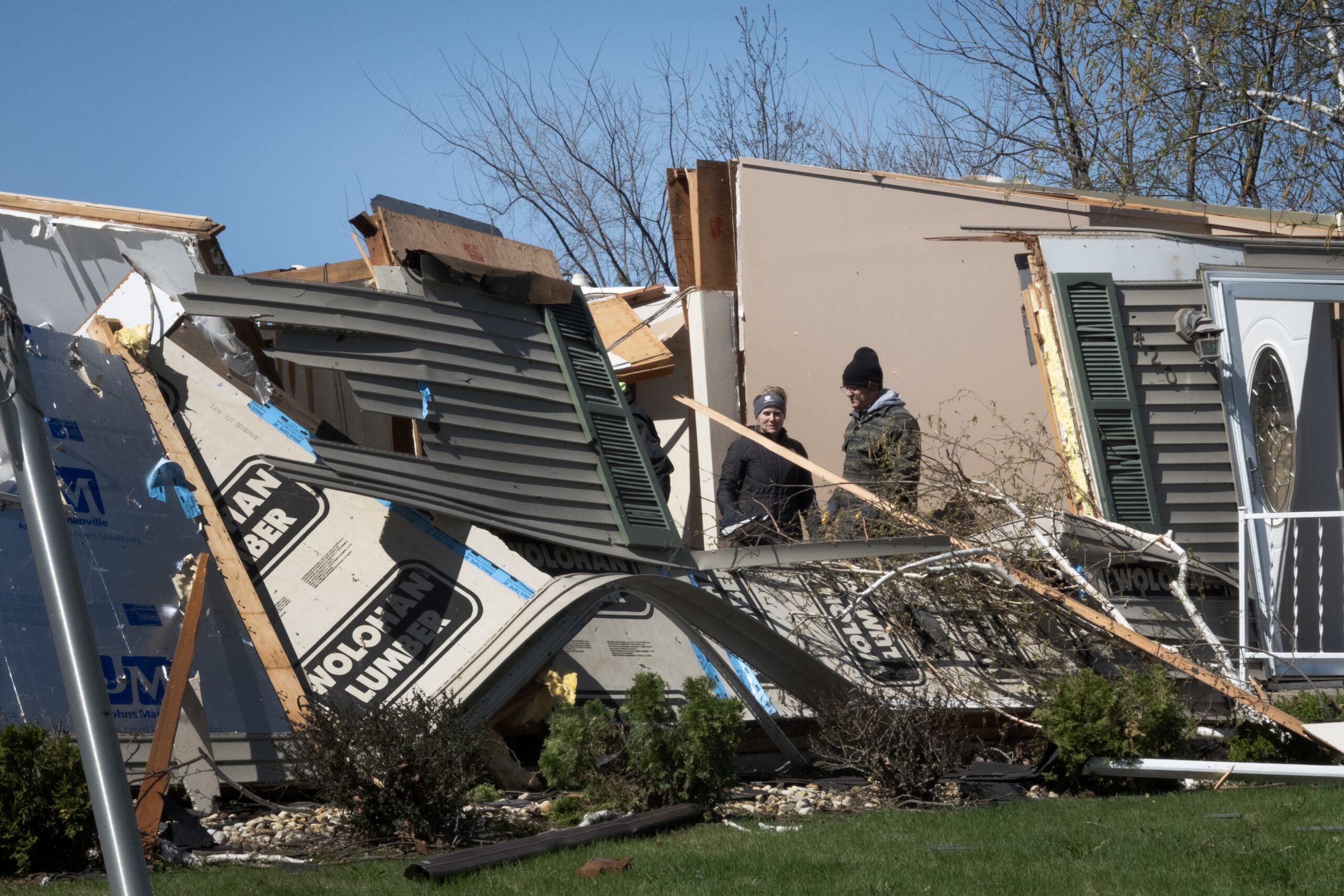
Severe Storm System Leaves Widespread Damage Across Multiple States
Communities across the Upper Midwest have begun extensive cleanup operations following a powerful outbreak of tornadoes and severe weather that swept through several states, leaving a trail of destruction across residential areas and critical infrastructure. The storm system impacted regions including Iowa, Illinois, Missouri, Wisconsin, Minnesota, and Oklahoma, with at least 66 tornado reports recorded over a single weekend.
The scale of the event underscores the increasing intensity and frequency of severe weather patterns across the central United States. Despite the widespread damage, officials confirmed that no fatalities were reported, and injuries remained minimal, highlighting the effectiveness of early warning systems and emergency preparedness measures.
The storms caused structural damage to dozens of homes, uprooted trees, and brought down power lines, disrupting electricity service for more than 43,000 customers in Illinois alone. Utility providers, including major regional operators, mobilized quickly to restore service, achieving near სრული restoration within 24 hours in many affected areas.
For more information on severe weather alerts and preparedness strategies, visit the National Weather Service at https://www.weather.gov and Ready.gov at https://www.ready.gov.
Local Communities Mobilize Rapid Emergency Response and Recovery
Local authorities and emergency response teams acted swiftly as the storms moved through populated areas. In Minnesota, Marion Township experienced significant structural damage, with approximately 30 homes affected and at least a dozen sustaining severe impact. Nearby communities such as Stewartville also reported damage to at least 20 homes, prompting the establishment of temporary shelters in Rochester for displaced residents.
Emergency declarations were issued in parts of Illinois, including McLean County, where officials activated disaster response protocols to ensure public safety and maintain essential services. In northern Illinois, the village of Lena faced some of the most severe destruction after an EF-2 tornado tore through the area, damaging homes, destroying outbuildings, and blocking roads with debris.
In Wisconsin, emergency services responded to one of the most intense tornado days in recent history. The National Weather Service office in La Crosse issued 26 tornado warnings in a single day, marking a record since its establishment in 1995. In Marathon County, entire residential sections were devastated, with up to 75 homes destroyed in one community.
Organizations such as the American Red Cross continue to provide critical support, including shelter, food, and recovery assistance. More details on disaster relief efforts can be found at https://www.redcross.org y https://www.fema.gov.
Increasing Frequency of Tornado Outbreaks Raises Concerns
The recent outbreak adds to a growing pattern of increasingly frequent and widespread severe weather events across the Midwest. While tornadoes are a known seasonal risk in the region, large-scale outbreaks involving dozens of tornadoes across multiple states are becoming more common.
Scientists and meteorologists continue to study the underlying causes of this trend, including the role of shifting atmospheric conditions, warmer temperatures, and changing climate patterns. Although no definitive conclusion has been reached, the consistency of these events is prompting renewed focus on infrastructure resilience, urban planning, and emergency preparedness.
Communities are also being encouraged to adopt proactive safety measures, including the use of emergency kits and evacuation planning. Public awareness campaigns and preparedness initiatives have proven instrumental in reducing casualties, as evidenced by the absence of fatalities in this recent outbreak.
Additional resources on emergency preparedness and severe weather safety are available at https://www.noaa.gov y https://www.cdc.gov.
Power Restoration and Infrastructure Recovery Underway
Utility crews and infrastructure teams have been working continuously to restore normalcy across affected regions. In Illinois, power outages initially impacted tens of thousands of residents, though most service was restored within a short timeframe due to coordinated response efforts.
Road clearance operations are ongoing in multiple areas where fallen trees and debris continue to block transportation routes. Local governments are prioritizing the reopening of critical corridors to facilitate aid delivery and support rebuilding efforts.
The economic impact of the storm is still being assessed, but early estimates suggest damages could reach into the millions of dollars, driven by residential losses, infrastructure repairs, and emergency response costs.
As recovery continues, the resilience of affected communities remains a central focus, with local, state, and federal agencies coordinating long-term rebuilding strategies to mitigate future risks and strengthen disaster response systems.