A Delayed Confirmation Process Raises Concerns
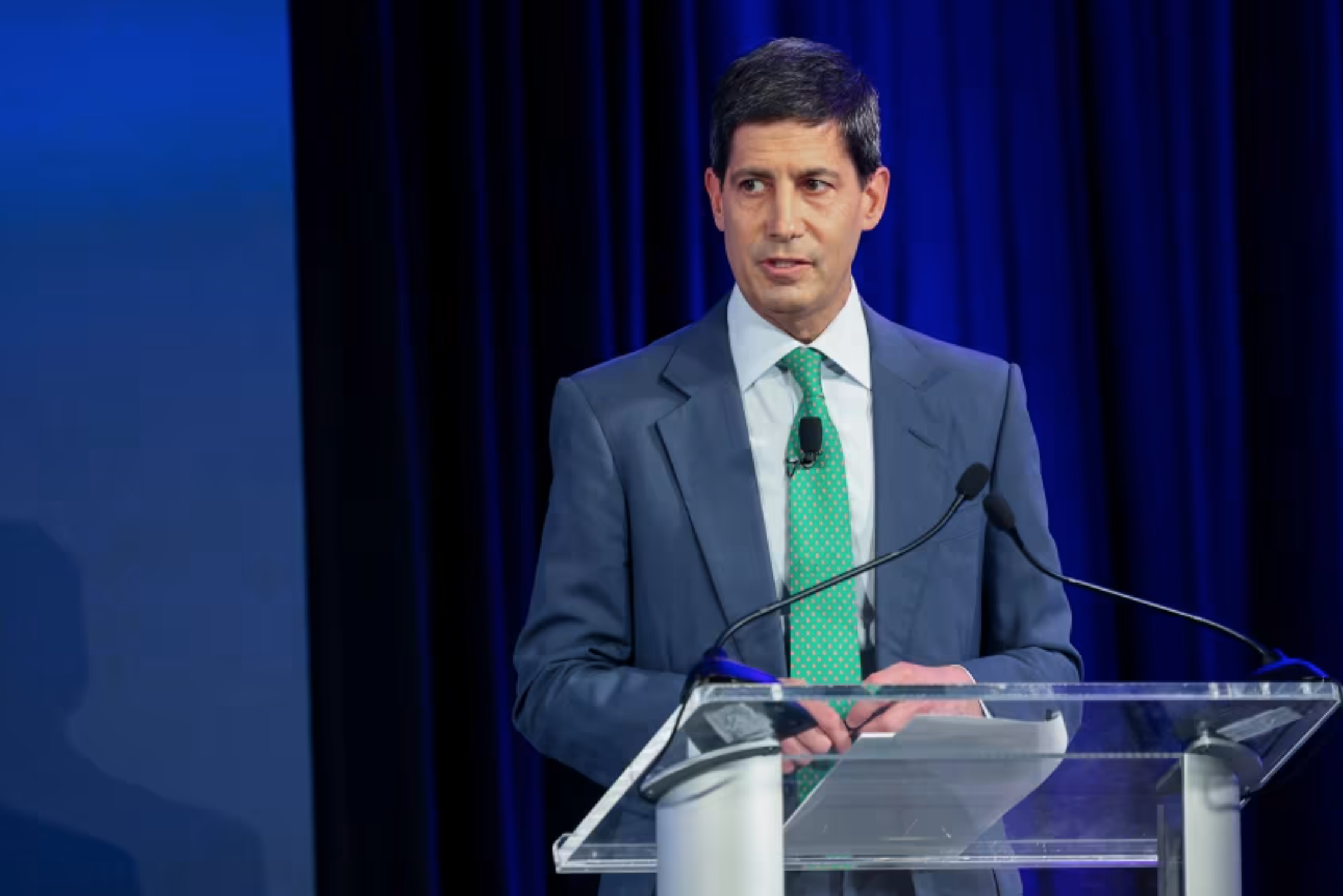
The effort to install a new leader at the Federal Reserve is encountering mounting obstacles, turning what is typically a structured transition into a prolonged and uncertain process. New obstacles highlight a Fed chair succession conflict, as the nomination of Kevin Warsh, selected to succeed Jerome Powell as chair of the central bank, has yet to secure a clear path forward despite weeks of anticipation.
Under standard procedure, nominees must first appear before the Senate Banking Committee. There, lawmakers evaluate qualifications, policy positions, and potential conflicts. Only after committee approval can a full Senate vote take place. While a hearing has finally been scheduled, political divisions continue to cloud the outcome and underline how succession conflict over the Fed chair adds to the tension.
The delay is particularly significant given the approaching end of Powell’s term. Leadership continuity at the Federal Reserve plays a critical role in maintaining financial stability. It also guides interest rate policy, and manages inflation expectations. Any uncertainty surrounding the transition can influence market sentiment. This is especially true during periods of economic volatility, especially when a Fed chair succession conflict is ongoing.
Complicating matters further is the fact that the nomination process itself has become intertwined with broader political disputes. Therefore, what is usually a technocratic decision has become a high-stakes confrontation fueled by chair succession conflict within the Fed.
Political Standoff and Legal Pressures Intensify
At the center of the impasse is a growing disagreement among key political figures. A pivotal vote within the committee remains uncertain. This is because one influential senator has withheld support pending developments tied to an ongoing inquiry involving Powell. This investigation, overseen by the Department of Justice, focuses on past testimony and financial oversight issues related to Federal Reserve infrastructure projects, adding to the Fed chair succession conflict narrative.
The refusal to advance the nomination without changes to the investigation has effectively stalled progress. At the same time, officials involved in the inquiry have shown no indication of altering their course. As a result, both sides are locked in a stalemate over the succession conflict at the Federal Reserve.
The situation has also introduced the possibility of legal conflict. Should Powell remain in a temporary leadership role beyond the expiration of his term, disagreements over executive authority could escalate. Questions about whether a sitting president can remove a Federal Reserve chair under these circumstances may ultimately require judicial interpretation. This could potentially involve institutions such as the Supreme Court of the United States. At the root of these issues, the Fed chair succession conflict continues to make headlines.
This convergence of political negotiation and legal uncertainty has heightened tensions in Washington. As a result, financial analysts and policymakers alike are paying close attention to every development related to the Fed chair succession conflict.
Market Implications and Institutional Stability at Risk
Beyond the political drama, the prolonged uncertainty surrounding the Federal Reserve’s leadership carries broader implications for the economy. The central bank’s credibility relies heavily on perceptions of independence and stability. Both of these could be tested during a contentious transition in which a Fed chair succession conflict plays a major part.
Financial markets closely monitor signals from the Federal Reserve, particularly during leadership changes. Any disruption or ambiguity in governance can influence investor confidence, interest rate expectations, and long-term economic planning—a dynamic heightened by ongoing chair succession conflict at the Fed.
Historically, transitions between Fed chairs have been relatively smooth, with nominees receiving bipartisan support and timely confirmations. The current scenario, colored by unprecedented succession conflict at the top of the Fed, marks a departure from that norm, introducing an unusual level of unpredictability into a key economic institution.
As deadlines approach and negotiations continue behind closed doors, the outcome remains uncertain. The interplay between political strategy, legal constraints, and institutional norms is shaping a scenario. This scenario could redefine how future Federal Reserve leadership transitions are handled should a succession conflict over the Fed chair arise.