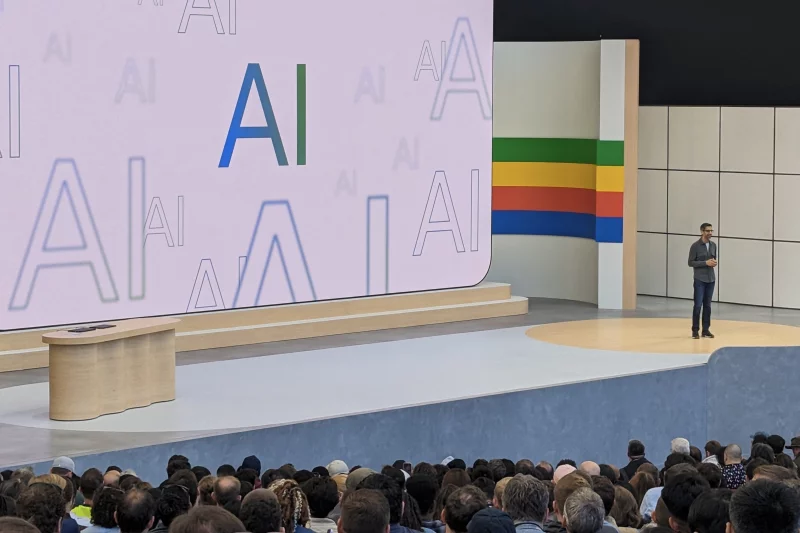
Google is redefining the future of online search with one of the most significant updates to its platform in years. Among these updates are Google AI search changes that promise to impact the way users find information. The company unveiled a redesigned search experience that blends artificial intelligence with traditional web browsing, signaling a major transformation in how users interact with information online.
For decades, Google’s minimalist search box represented a gateway to the internet, allowing billions of people to quickly access websites, news, products, and services. Now, the company is reshaping that familiar experience by integrating advanced AI tools designed to make searches more conversational, interactive, and personalized.
The changes arrive as technology companies continue investing heavily in artificial intelligence, racing to build systems capable of answering complex questions, interpreting multimedia content, and automating everyday digital tasks. Google believes the future of search lies in combining the reliability of web indexing with the flexibility and responsiveness of AI-generated answers.
Users are already beginning to notice the transition through features such as AI-generated summaries, expanded query tools, and new multimodal search capabilities available across Google Search products and services.
Google Pushes Search Beyond Traditional Keywords
The redesigned search interface still appears simple at first glance, but the technology powering it has evolved dramatically. Instead of relying primarily on short keywords, Google now encourages users to ask complete questions in natural language, similar to how they would speak to another person.
According to company executives, people are increasingly using longer and more detailed prompts when searching online. This shift allows AI systems to better understand intent, context, and follow-up needs. Rather than displaying only a list of links, Google can now provide summarized explanations, recommendations, and direct responses generated through artificial intelligence.
The company has also expanded what it calls multimodal search. Users can upload images, videos, and documents directly into the search field to receive AI-assisted analysis and related information. Through services connected to Google Lens, consumers can search visually, identify objects, compare products, or gather details from screenshots and photos.
Industry analysts say the update represents one of the clearest signs that traditional search engines are evolving into AI-powered assistants. The goal is not only to help users find information faster, but also to handle more complex tasks that previously required visiting multiple websites.
Google is additionally introducing more automated features known as “agentic” functions. These tools allow search systems to continuously monitor requests over time, such as tracking product discounts, checking ticket availability, or alerting users about local events and updates.
The company believes these personalized systems could improve convenience while helping users save time navigating the internet.
Critics Raise Questions About Transparency and Control
While Google describes the new search experience as a blend of “the best of AI and the best of the web,” critics argue that deeper AI integration could create new concerns around transparency and user control.
Traditional search results typically provide pages of clickable links from multiple sources, allowing users to compare information independently. AI-generated summaries, however, often condense answers into a few paragraphs with limited visibility into how conclusions were formed.
Researchers and digital policy experts warn that this could make it harder for users to understand where information originates and whether commercial interests influence recommendations. Organizations studying online accountability, including initiatives connected to UCLA, have expressed concerns that AI systems may further obscure the already complex algorithms that determine search rankings.
Technology analysts also caution that AI-driven shopping recommendations could reduce consumer choice. Instead of browsing several retailers manually, users may increasingly rely on AI systems to recommend products or services automatically. Critics fear this could make sponsored placements less obvious and give platforms more influence over purchasing decisions.
Concerns about accuracy remain another challenge. Earlier AI-generated search responses drew attention after producing misleading or bizarre answers to certain queries. Those incidents fueled broader debates over whether AI systems are ready to replace traditional search methods entirely.
At the same time, some experts warn about the possible economic impact on publishers, online retailers, and independent websites. If users receive direct answers from AI without clicking external links, many businesses that depend on search traffic could experience declining visibility and advertising revenue.
The discussion has intensified as internet researchers continue analyzing how AI-generated search may reshape the broader digital economy.
AI Competition Intensifies Across the Tech Industry
Google’s latest announcement reflects a much larger battle unfolding throughout the technology sector. Artificial intelligence has become the central focus for many of the world’s largest companies, with billions of dollars flowing into research, infrastructure, and AI-driven consumer products.
The rise of conversational AI platforms has dramatically changed public expectations for online search and digital assistants. Consumers increasingly expect systems to understand context, answer detailed questions instantly, and interact in a more human-like way.
Google’s strategy aims to protect its dominance in online search while adapting to rapidly changing user behavior. The company continues expanding AI-generated summaries, recommendation tools, and personalized services throughout its ecosystem, including products connected to Google Workspace.
Executives believe combining AI with web search offers a more complete experience than relying solely on chatbots or conventional search engines alone. The company argues that users still value access to the open web while also appreciating faster and more conversational responses.
Even so, many users remain divided over how much AI they want integrated into their everyday searches. Some appreciate the convenience of automated summaries and recommendations, while others prefer manually exploring multiple sources and maintaining direct control over the information they consume.
Google has acknowledged that not every user will immediately embrace the transition. As a result, various options and settings continue to emerge for people who want to limit or bypass certain AI-powered search features while still using the platform’s traditional web tools.