Democratic Midterm Strategy Shifts Toward Economic Anxiety and Affordability
As the 2026 midterm elections approach, Democratic candidates across the United States are adjusting their campaign messaging in response to growing voter concern over inflation, healthcare expenses and the overall cost of living.
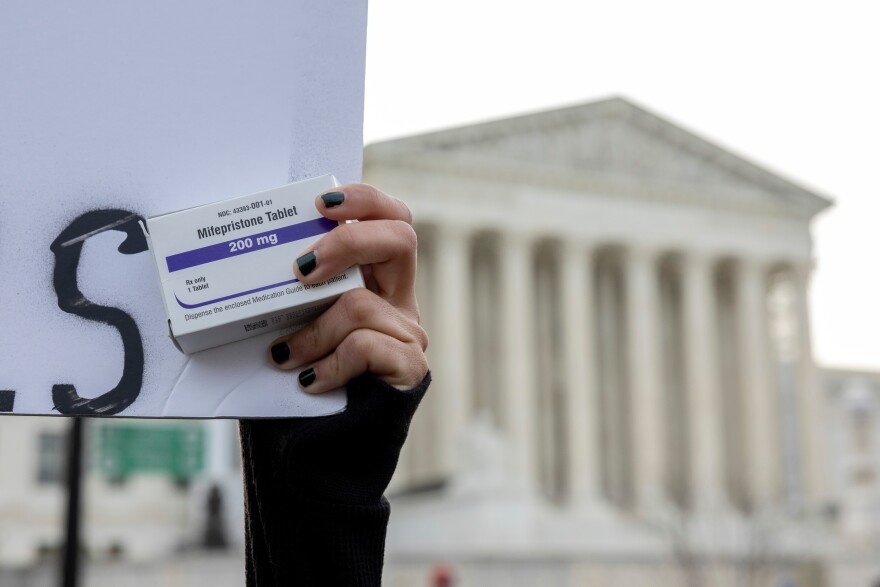
During the 2022 and 2024 election cycles, abortion rights became one of the Democratic Party’s most dominant political issues following the U.S. Supreme Court’s decision to overturn Roe v. Wade. Democratic campaigns invested heavily in advertising centered on reproductive rights, often making abortion access the leading issue in Senate and House races nationwide.
In 2026, however, campaign spending patterns indicate a noticeable change. Political advertising focused specifically on abortion rights has declined significantly compared to the same stage of the previous election cycle, reflecting broader concerns among voters about economic instability and rising everyday expenses.
Strategists say the shift does not necessarily mean reproductive rights have become politically irrelevant. Instead, many Democratic candidates are increasingly attempting to connect abortion access and reproductive healthcare to larger affordability concerns involving childcare, insurance costs, maternal healthcare and economic security.
Political organizations supporting abortion rights argue that voters continue viewing reproductive healthcare as part of broader financial and healthcare struggles affecting middle-class families nationwide.
Election trends and political spending data continue to be tracked through Federal Election Commission y OpenSecrets.
Reproductive Rights Advocates Link Healthcare Access to Economic Pressure
Advocates for reproductive rights say the political conversation surrounding abortion has evolved rather than disappeared.
Organizations supporting abortion access increasingly frame the issue through the lens of affordability, arguing that rising healthcare costs, limited maternal care and expensive childcare services directly affect reproductive freedom and family stability.
Mini Timmaraju, one of the country’s leading reproductive rights advocates, has emphasized that many voters see healthcare affordability and reproductive care as deeply interconnected issues.
Democratic candidates in competitive races are beginning to integrate those themes into broader economic messaging rather than isolating abortion rights as a standalone campaign issue.
For example, Senate candidates in states such as Maine are increasingly discussing reproductive healthcare alongside debates about insurance costs, housing affordability and access to medical services in rural communities.
Political analysts note that many voters now evaluate reproductive policy through practical financial realities rather than purely ideological frameworks. Concerns about hospital closures, childcare availability and healthcare access have become increasingly central to campaign discussions.
At the same time, abortion rights organizations continue warning that restrictions enacted in several states following the fall of Roe v. Wade remain highly consequential for millions of Americans.
Healthcare policy updates and reproductive health resources continue to be monitored through Planned Parenthood y Kaiser Family Foundation.
Economic Concerns Reshape the 2026 Political Landscape
Polling throughout 2026 consistently shows that inflation, fuel prices, housing costs and wages remain the top concerns for large portions of the electorate.
As a result, both Democrats and Republicans are increasingly centering economic messaging in campaign advertisements, speeches and voter outreach efforts.
Democrats face the challenge of balancing multiple priorities simultaneously: defending reproductive rights while persuading voters that the party can also address affordability and economic insecurity.
Republicans, meanwhile, continue emphasizing inflation, government spending and energy policy as core campaign themes while attempting to reduce Democratic advantages on abortion-related messaging.
Political observers say the changing advertising strategy reflects a broader transformation in voter behavior during the post-pandemic economy. Many Americans remain financially anxious despite continued job growth and economic recovery indicators.
The crowded political news environment has also made it harder for any single issue to dominate national attention for extended periods. International conflicts, artificial intelligence, immigration debates and fuel prices are competing directly with healthcare and reproductive policy for voter focus.
Research on voter attitudes and election behavior continues through Pew Research Center y Brookings Institution.
Still, strategists from both parties acknowledge that abortion rights remain politically influential, particularly among suburban voters, younger women and independents in battleground states.
Rather than abandoning the issue, Democrats appear to be recalibrating how they discuss it — integrating reproductive rights into a larger economic narrative centered on affordability, healthcare access and family financial stability.
As the midterm elections draw closer, the effectiveness of that strategy may help determine whether Democrats can maintain support among key swing voters increasingly focused on economic survival over ideological battles alone.