
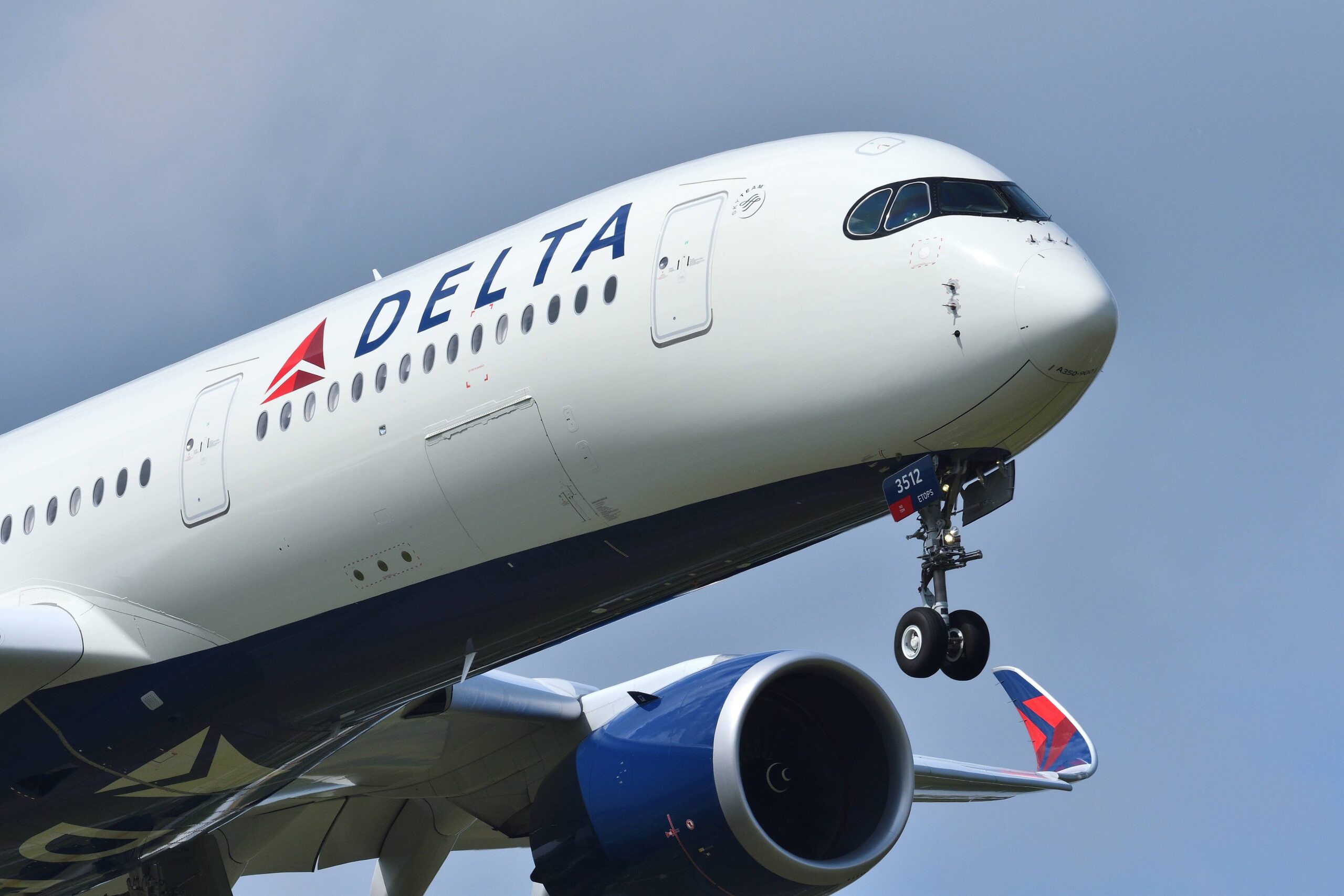
Delta Air Lines revenue growth continues to outperform many industry expectations as strong passenger demand, premium travel sales and disciplined capacity planning reinforce the carrier’s financial outlook for 2026. While fuel prices remain subject to market fluctuations, airline executives believe the current environment reflects structural improvements across the aviation sector rather than a temporary pricing cycle.
The company recently reported another quarter of healthy operating performance driven by robust domestic bookings, expanding international demand and improving corporate travel activity. Executives also emphasized that the industry’s greater focus on profitability instead of rapid expansion has created a more balanced competitive environment.
Passengers continue to prioritize reliability, flexible travel options and upgraded cabin experiences, helping airlines generate stronger yields even as operating costs remain elevated.
Demand trends across the aviation industry can also be monitored through the escaped HTML link <a href=”https://www.iata.org/“>International Air Transport Association</a>, which regularly publishes global passenger traffic statistics and market analysis.
Premium Travel Becomes an Even Larger Revenue Driver
Premium products are playing a larger role in Delta Air Lines revenue growth than at any point in recent years. Business-class cabins, premium economy seating and additional service packages continue attracting travelers who are willing to pay for greater comfort, convenience and flexibility.
This shift is no longer limited to business travelers. Leisure passengers increasingly choose premium seating for long-haul vacations, family travel and international destinations, helping airlines diversify revenue beyond traditional economy fares.
Executives also point to continued strength on transatlantic and international routes, where booking activity remains healthy despite broader economic uncertainty. Travel demand has proven more resilient than many analysts expected, particularly among higher-income consumers and multinational corporate clients.
Industry performance and airport traffic data are also available through the escaped HTML link <a href=”https://www.faa.gov/“>Federal Aviation Administration</a>, which tracks aviation activity across the United States.
Capacity Management Helps Stabilize Airfare Pricing
Unlike previous expansion cycles, major airlines have largely avoided adding excessive seat capacity. Instead, carriers continue evaluating route profitability before introducing new flights or increasing frequency.
Limited aircraft availability, supply-chain constraints, labor costs and operational efficiency have encouraged airlines to prioritize sustainable growth over market share. This disciplined strategy has reduced the likelihood of aggressive fare wars that historically compressed airline margins.
Corporate travel has also strengthened across several industries, including finance, manufacturing, healthcare and technology. International conferences, business meetings and cross-border investment activity continue supporting premium ticket sales while contributing to stable passenger volumes.
Additional transportation statistics can be reviewed through the escaped HTML link <a href=”https://www.bts.gov/“>Bureau of Transportation Statistics</a>, which publishes operational and economic data for the U.S. transportation sector.
Delta Air Lines Revenue Growth Outlook Extends Into 2026
Looking ahead, Delta Air Lines revenue growth is expected to remain supported by diversified revenue streams, continued investment in customer experience and disciplined financial management. The airline plans to expand digital services, modernize portions of its fleet and strengthen operational reliability while maintaining careful cost controls.
Industry observers believe the current aviation environment differs significantly from previous economic cycles. Rather than relying exclusively on passenger volume, major airlines increasingly focus on premium products, loyalty programs, ancillary services and efficient network planning to improve long-term profitability.
Although fuel prices may continue fluctuating, executives believe future earnings will depend far more on operational execution, customer retention and strategic capacity decisions than on short-term movements in energy markets. Investors are expected to closely watch upcoming quarterly reports for confirmation that current booking trends can continue supporting sustainable financial performance throughout 2026.
Economic indicators affecting the airline industry can also be followed through the escaped HTML link <a href=”https://www.bls.gov/“>U.S. Bureau of Labor Statistics</a>, which provides inflation, employment and consumer spending data relevant to travel demand.