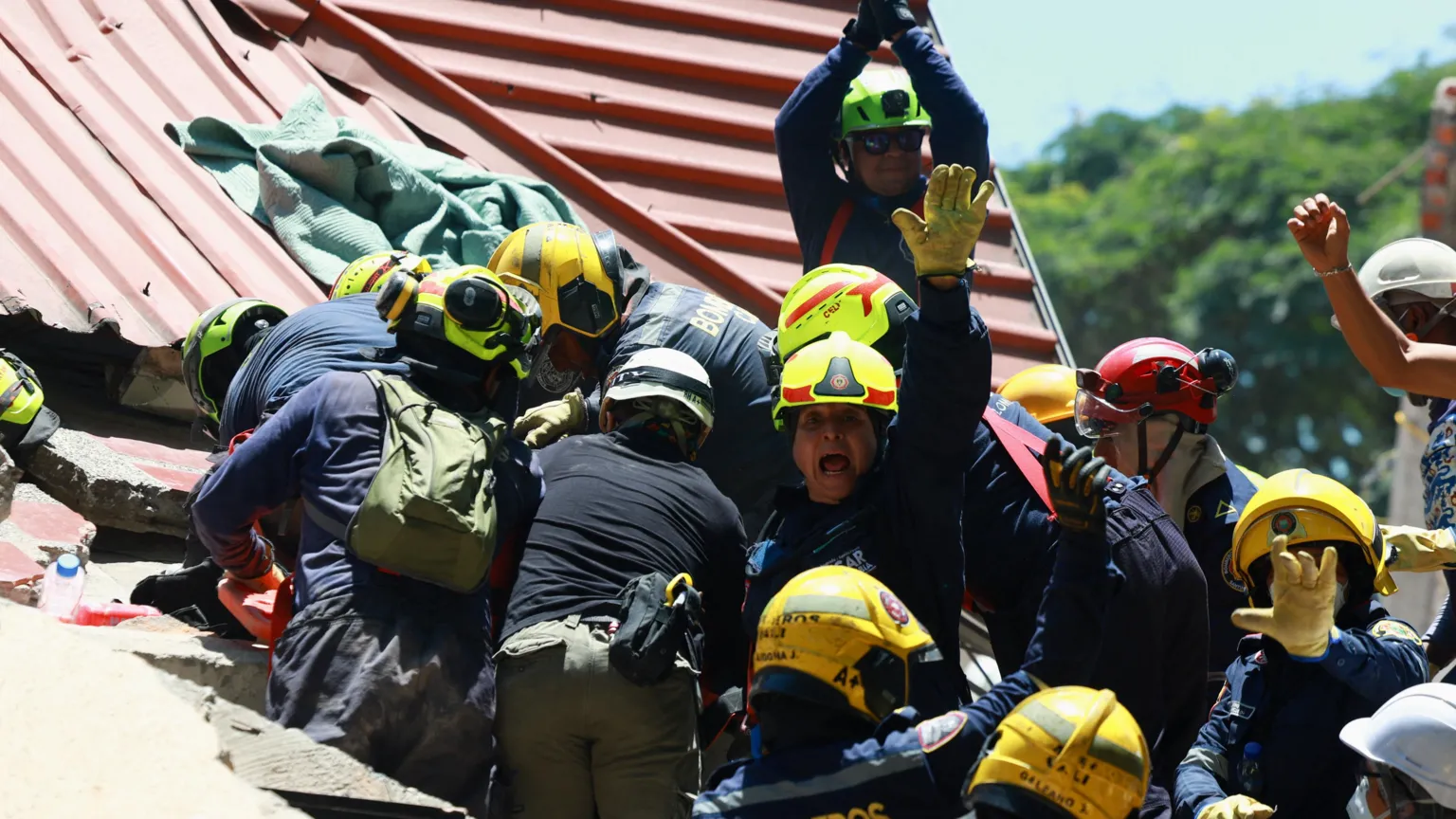
Rescue teams in Colombia are searching collapsed buildings for survivors after a powerful Colombia earthquake killed more than 180 people and caused widespread damage across the country’s west.
The magnitude 7.4 earthquake struck at 7:34 a.m. local time on Monday, with its epicenter near San José del Palmar in Chocó. The shock was felt across much of Colombia and in parts of neighboring countries. Colombia earthquake monitoring. This highlights how far-reaching the effects of the Colombia earthquake were.
The death toll has continued to rise as emergency crews reach damaged areas impacted by the recent earthquake in Colombia. Officials are still assessing the scale of the destruction, while families wait for news of people who remain missing.
Pereira and Cali are among the hardest-hit cities. The Colombia earthquake caused buildings to collapse, homes to be damaged, and some residents to spend nights outside because they fear further structural failures.
UNICEF said on Tuesday that nearly 5,000 homes had been damaged and at least 60 buildings had collapsed. The organization also said rescue operations and damage assessments were continuing across western Colombia. For further details on humanitarian efforts related to the Colombia earthquake, visit UNICEF’s response page. UNICEF Colombia earthquake response.
Rescue Teams Race to Reach Trapped Survivors
The search has become a race against time as authorities respond to challenges unique to this Colombia earthquake disaster.
In Cali, emergency workers and volunteers have been clearing rubble from damaged buildings. Some hospitals and other public facilities were also affected, adding pressure to emergency services already dealing with large numbers of injured people due to the earthquake in Colombia.
Pereira has also seen extensive rescue activity. Streets have been cleared in some areas so Colombia earthquake response teams can access affected locations more easily.
Authorities have warned residents to remain cautious as aftershocks continue. The Colombian Geological Service is monitoring the seismic activity and providing updates as new tremors occur. These aftershocks are a reminder of the ongoing risks following a major Colombia earthquake. Earthquake monitoring and hazards.
The destruction has left many people temporarily without safe homes. After the powerful Colombia earthquake, some residents moved into open areas because they were worried that damaged structures could collapse during another tremor.
Emergency officials are also dealing with damaged roads and infrastructure. Recovery has been difficult in some regions, especially where Colombia earthquake debris blocks normal supply routes.
Damage Spreads Across Western Colombia
The earthquake was centered in the Chocó region, but its effects were felt much farther away, reaching communities as the Colombia earthquake sent shockwaves across the country.
Pereira, Cali and Manizales have reported serious damage. In the aftermath of the earthquake, Colombia is also seeing other municipalities assess their damaged homes, roads, and public buildings.
The depth and location of the earthquake helped spread strong shaking across a wide area. Residents in Bogotá, hundreds of kilometers from the epicenter, also reported feeling the Colombia earthquake vibrations underfoot.
For rescue crews, the biggest concern is unstable buildings. During aftershocks, structures that survived the initial Colombia earthquake can still collapse, increasing the risks for search teams.
The disaster has also placed additional pressure on Colombia’s emergency system. International organizations have begun coordinating with Colombian authorities as the country continues to respond to the aftermath of the earthquake.
The United Nations has said its teams are supporting the national response, while humanitarian groups are focusing particularly on children and families affected by the disaster. This coordinated effort is critical following a major Colombia earthquake. UN humanitarian response in Latin America and the Caribbean
Authorities are expected to continue updating casualty figures and damage assessments as rescue teams reach more locations. The final scale of the Colombia earthquake may not be clear until the search for missing people and the inspection of damaged buildings are completed.