
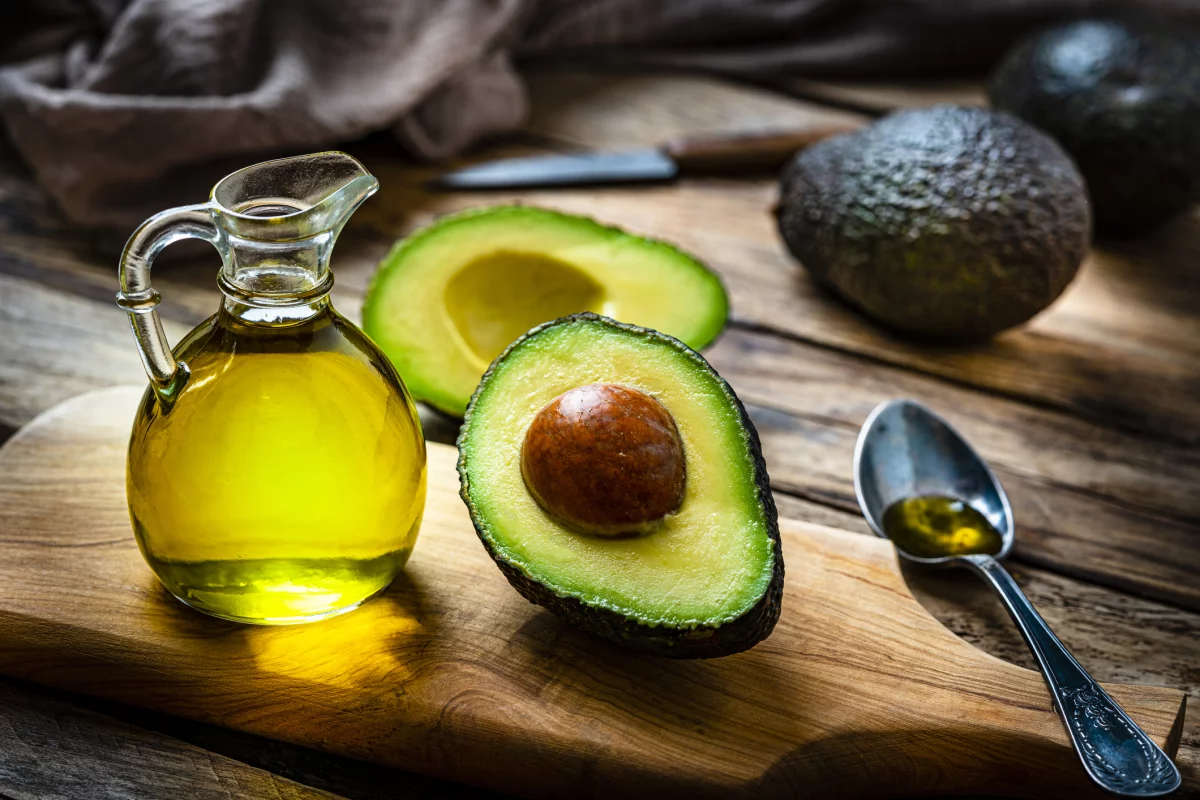
Avocado oil has become one of the fastest-growing ingredients in the global food industry. It is now appearing in products ranging from potato chips and salad dressings to mayonnaise, sauces and ready-to-eat meals. Additionally, its reputation as a premium cooking oil has encouraged manufacturers to feature it prominently on product labels. This attracts consumers seeking alternatives to traditional vegetable oils.
As demand expands, food scientists and quality specialists are paying closer attention to the authenticity of avocado oil used in packaged foods. In fact, industry experts argue that maintaining consumer confidence will depend on stronger quality controls, transparent labeling practices and more consistent testing throughout the supply chain.
Information about food labeling standards and regulatory guidance is available through the U.S. Food and Drug Administration, which oversees food safety and labeling requirements for products sold in the United States.
Food Industry Faces Growing Pressure to Improve Product Transparency
Premium edible oils command higher prices because of production costs, limited agricultural yields and increasing global demand. These market conditions have encouraged greater attention to ingredient verification as manufacturers compete for consumers seeking higher-quality products.
Food analysts note that authenticity testing has become increasingly important across the edible oil industry. Furthermore, modern laboratory techniques can identify differences in chemical composition. These new methods help determine whether an oil matches its declared botanical origin or whether additional ingredients may be present.
Research related to agricultural commodities and food quality can be explored through the U.S. Department of Agriculture, which publishes information on food production, agricultural markets and quality initiatives.
Nutrition Experts Encourage Consumers to Look Beyond Marketing Claims
Nutrition professionals emphasize that healthy dietary choices depend on overall eating patterns rather than any single ingredient. For example, while avocado oil contains beneficial unsaturated fats, experts continue recommending balanced diets. These balanced diets include fruits, vegetables, whole grains, legumes, nuts and a variety of healthy fat sources.
Specialists also encourage consumers to carefully review ingredient labels instead of relying exclusively on front-package marketing claims. Understanding how products are formulated allows shoppers to make purchasing decisions that better reflect both nutritional goals and personal budgets.
Scientific resources concerning nutrition and dietary guidance are available through the Nutrition.gov, which provides evidence-based information on healthy eating and food selection.
Stronger Standards Could Increase Consumer Confidence
As the avocado oil market continues expanding, producers, retailers and regulators are expected to place greater emphasis on quality assurance and traceability throughout the production chain. As a result, independent certification programs, improved laboratory testing and clearer product labeling may help strengthen consumer confidence. These measures also support fair competition among manufacturers.
Industry observers believe greater transparency benefits both consumers and companies committed to maintaining high production standards. In addition, investments in authentication technologies and standardized testing procedures could help protect premium food categories from quality disputes as global demand continues increasing.
Additional international food standards and quality guidelines are available through the Food and Agriculture Organization of the United Nations, which supports food quality, agricultural sustainability and global food systems.