A common insect found in many pet stores could soon become an important tool for museums and research laboratories.
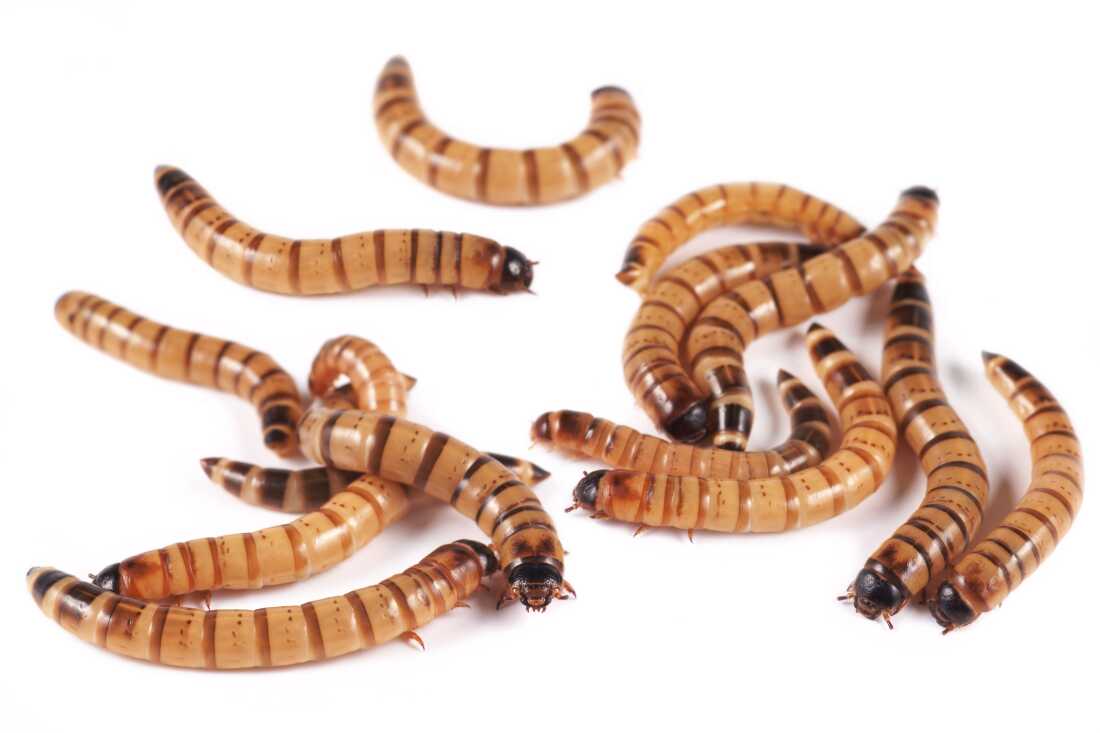
Scientists have discovered that superworms (Zophobas morio) can efficiently remove soft tissue from animal skeletons without damaging delicate bones, providing a promising alternative to traditional specimen preparation methods.
The findings were recently published in the journal PLOS One.
A Practical Challenge for Museums
The research originated at the natural history museum affiliated with Ferdowsi University in Mashhad, Iran, where scientists regularly receive animal donations, including birds, mammals, and roadkill for scientific study.
Limited freezer space created an urgent need for a faster and more sustainable method of preparing skeletons for research and exhibition.
Why Traditional Methods Have Drawbacks
Museums typically rely on several techniques to clean skeletons, but each comes with limitations.
- Chemical treatments can harm the environment and weaken bones.
- Boiling is labor-intensive and may damage fragile skeletal structures.
- Dermestid beetles, widely used by museums, work efficiently but can become destructive pests if they escape and damage preserved collections.
Researchers began searching for a safer and more manageable alternative.
Why Superworms Stand Out
Superworms are the larval stage of the darkling beetle and are widely sold as food for reptiles, birds, and exotic pets.
Researchers found several advantages:
- They efficiently remove soft tissue while preserving delicate bones.
- They remain in the larval stage when housed together, preventing them from reproducing rapidly.
- The same group of larvae can be reused for several months.
- They are inexpensive and readily available worldwide.
Successful Tests on Multiple Animal Species
The research team tested superworms on a variety of animal specimens, including:
- Fish
- Mice
- Small birds
- Wolves
- Wild cats
Before introducing the larvae, researchers lightly cleaned the specimens and briefly softened the tissue in warm water.
They found that 10 to 15 superworms provided the ideal balance between cleaning speed and protecting fragile skeletal structures.
Even extremely delicate fish ribs remained intact after the process.
Scientists See Strong Potential
Researchers believe the technique could benefit museums, universities, and smaller scientific institutions that lack expensive laboratory equipment.
Because superworms are inexpensive and easy to obtain, they may provide an accessible solution for preparing skeletal specimens around the world.
Experts Recommend Further Research
Independent scientists welcomed the findings while noting that additional studies are needed.
Some experts caution that the superworms’ powerful jaws could potentially damage very small bones under certain conditions. Others point out that dermestid beetles remain highly effective and are already widely used by museums with established collection management systems.
Still, the study introduces a promising new option that could complement existing specimen preparation techniques.
A New Tool for Scientific Collections
As museums continue searching for sustainable and cost-effective preservation methods, superworms may become an unexpected ally in scientific research.
Their ability to clean skeletons quickly, gently, and with minimal environmental impact could make them an increasingly valuable resource for natural history collections worldwide.