A homeless man in Nashville has become one of the first people charged under Tennessee’s controversial felony camping law, bringing renewed attention to how states are responding to growing homelessness across the United States.
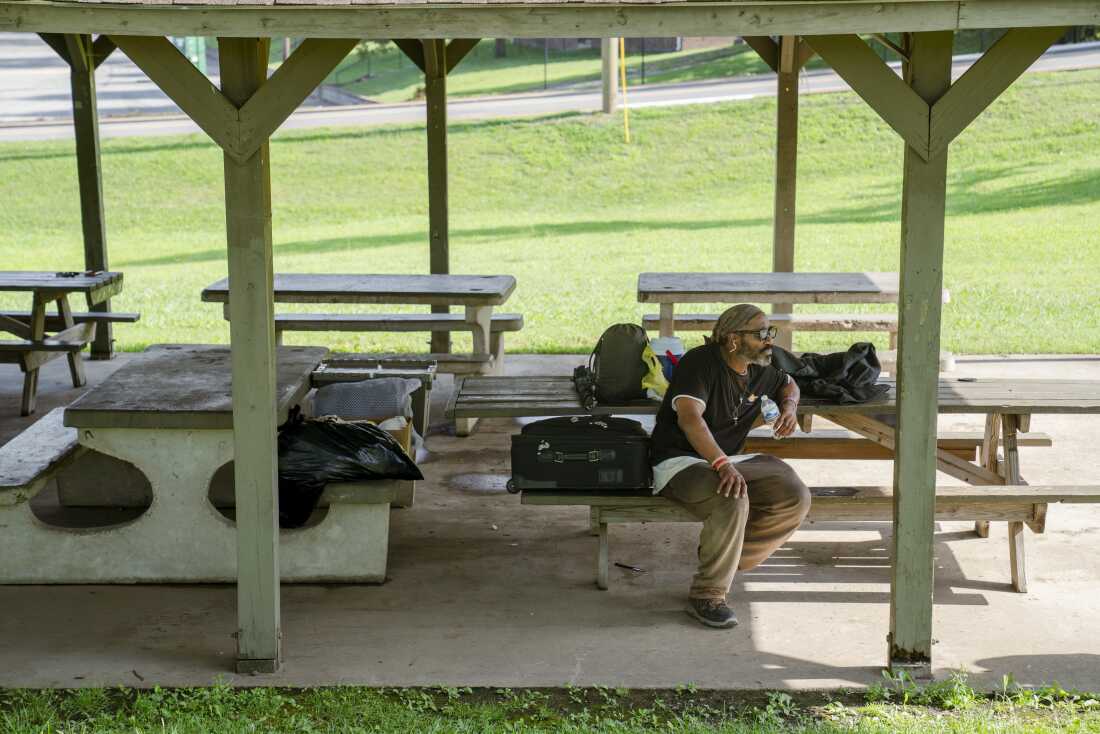
Joseph Lamont Williams, 49, was arrested after refusing to leave the public park where he had been staying for several years. Initially charged with felony camping, he later accepted a plea to a lesser offense and was released after spending nine days in jail.
Tennessee Has the Nation’s Toughest Camping Ban
Tennessee remains the only state where camping on certain public property can be prosecuted as a felony.
The law, enacted in 2022, carries penalties of up to six years in prison, although advocates say it has rarely been enforced in this manner until now.
Williams’ arrest has become one of the earliest high-profile examples of the law being used against an unhoused individual.
Public Camping Bans Are Expanding Nationwide
According to homelessness advocates, 11 states have adopted statewide public camping restrictions over the past four years.
Following a 2024 U.S. Supreme Court decision allowing cities to prohibit sleeping or camping in public spaces, more than 300 municipalities have adopted similar ordinances.
Supporters argue these laws:
- Help keep parks and public spaces accessible.
- Encourage people experiencing homelessness to seek shelters and social services.
- Give law enforcement clearer authority to address encampments.
Critics argue the laws:
- Criminalize homelessness.
- Make it more difficult for people to secure employment or housing because of criminal records.
- Fail to address the root causes of homelessness.
Nashville’s Growing Homelessness Crisis
Homelessness has continued to rise in Nashville.
Local estimates indicate that approximately 4,300 people experienced homelessness in late 2025, representing an increase of more than 30% in less than a year.
Nationally, overall homelessness has declined slightly since reaching record highs in 2024, but chronic homelessness has continued to increase.
A Neighborhood Transformed
Williams grew up in East Nashville, a historically African American neighborhood that has undergone rapid redevelopment and gentrification over the past two decades.
Rather than moving to a shelter, he chose to remain in the neighborhood where he spent much of his life, sleeping beneath a picnic pavilion in a local park.
He says the park is not home, but simply the only place where he feels connected to his community.
Advocacy Groups Warn of Unintended Consequences
Homeless outreach organizations argue that arrests and incarceration often deepen homelessness instead of solving it.
They contend that criminal charges can create additional barriers to:
- Finding employment
- Securing permanent housing
- Accessing long-term stability
Advocates say lasting solutions require expanded affordable housing, mental health services, addiction treatment, and supportive housing programs rather than increased criminal enforcement.
Supporters Say Enforcement Can Save Lives
Backers of camping bans, including policy groups that have promoted similar legislation in multiple states, say enforcement is intended to encourage people to accept available services.
Some argue that limited use of arrests may be necessary in situations involving severe mental illness, substance abuse, or dangerous living conditions.
They emphasize that the goal is not widespread incarceration but greater accountability and connection to treatment resources.
A National Policy Debate Continues
Williams’ case highlights the broader national conversation over how communities should respond to rising homelessness.
As more states consider public camping restrictions, policymakers continue to debate whether enforcement, expanded services, affordable housing, or some combination of these approaches offers the most effective path toward reducing homelessness while balancing public safety and individual dignity.