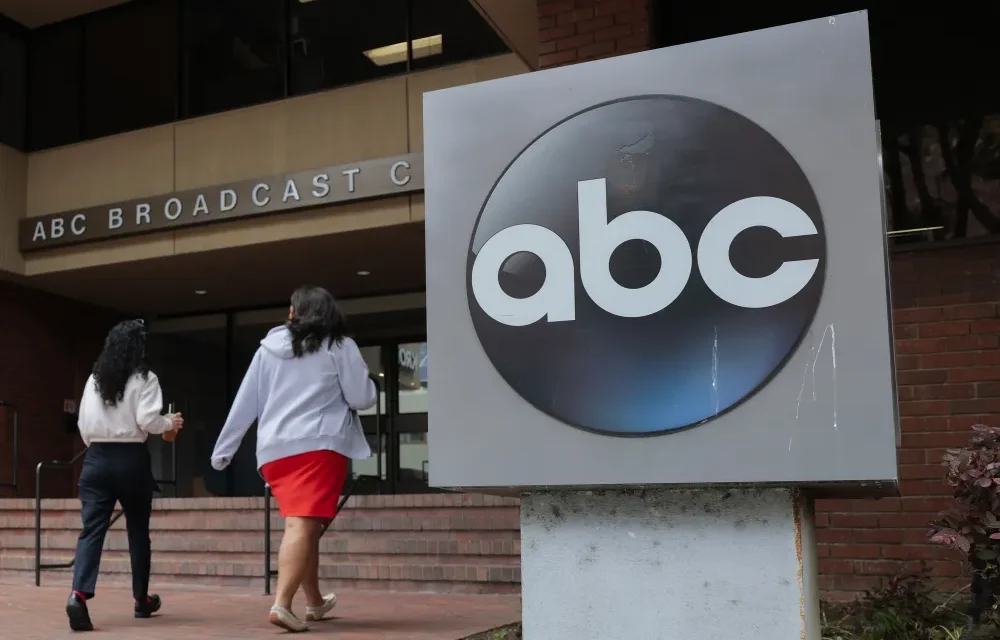
ABC and its parent company, The Walt Disney Company, have filed a lawsuit against the Federal Communications Commission (FCC), accusing the agency of violating their First Amendment rights through investigations and challenges related to the network’s broadcast licenses.
The lawsuit, filed in federal court, argues that the FCC’s actions are politically motivated and represent retaliation for ABC’s news coverage, late-night programming and political commentary.
The case could become one of the most significant legal battles involving media freedom, government regulation and freedom of speech in recent years.
ABC Claims the FCC Is Targeting Its News Coverage
According to the lawsuit, the FCC launched investigations into ABC’s television stations after President Donald Trump repeatedly criticized the network’s reporting and entertainment programming.
The complaint argues that the administration disapproves of content broadcast by:
- ABC News
- The View
- Late-night host Jimmy Kimmel
ABC’s legal filing begins with a direct statement:
“Government censorship is deeply un-American.”
The lawsuit further argues that government agencies cannot use regulatory authority to punish organizations because of their editorial decisions.
The Dispute Centers on Broadcast License Renewals
Unlike cable networks and streaming platforms, local television stations rely on public airwaves and must obtain licenses from the FCC.
ABC owns eight local television stations across major U.S. markets, including several of the country’s largest metropolitan areas.
The FCC recently required all eight stations to undergo an early review of their license renewal process, an action that ABC describes as highly unusual.
Disney argues that the agency’s decision represents an unprecedented attempt to pressure the company because of its programming.
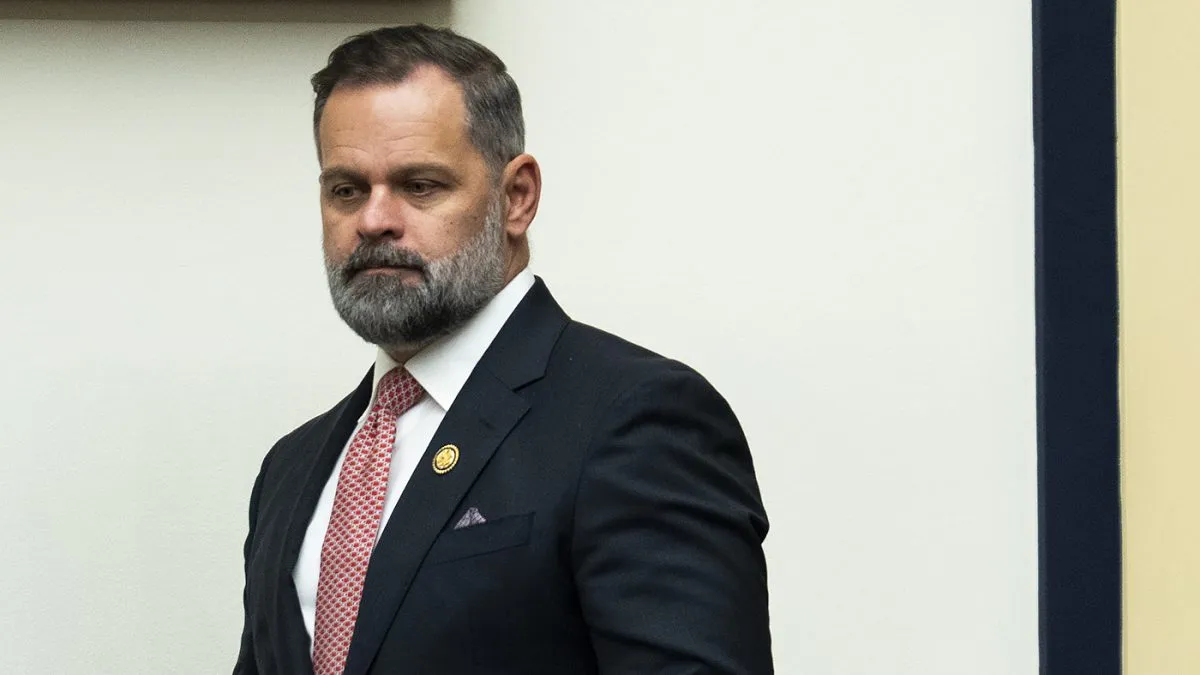
FCC Chairman Brendan Carr Rejects Disney’s Allegation
FCC Chairman Brendan Carr dismissed the lawsuit, arguing that Disney filed its complaint before the agency made any final decisions regarding the licenses.
According to Carr, the FCC intends to continue reviewing the evidence while following existing legal procedures.
He also emphasized that Disney would receive fair treatment throughout the process.
However, critics point to Carr’s public comments supporting President Trump’s criticism of several ABC programs as evidence that the agency’s independence may be under scrutiny.
The First Amendment Could Become the Central Legal Question
At the heart of the case is the First Amendment of the U.S. Constitution, which protects freedom of speech and freedom of the press.
ABC’s legal team cites a recent unanimous Supreme Court decision that stated government officials cannot use state authority to suppress or punish speech they disagree with.
The network argues that the FCC’s actions violate that constitutional principle.
Legal experts believe the case could establish important precedents regarding:
- Government oversight of media companies
- Press freedom
- Political influence over federal agencies
- Broadcast license regulations
- First Amendment protections in the digital age
Trump and Major Media Companies Have Clashed Repeatedly
The lawsuit comes after several high-profile legal disputes between President Trump and major media organizations.
In December 2024, ABC agreed to pay $16 million to settle a defamation lawsuit involving comments made by anchor George Stephanopoulos.
Other media and technology companies, including Meta, X, Google and Paramount, have also reached legal agreements related to lawsuits filed by Trump.
Meanwhile, separate lawsuits involving The Wall Street Journal, The New York Times and the BBC remain ongoing.
Why This Case Could Reshape the Relationship Between Government and the Media
The legal battle between ABC, Disney and the FCC extends beyond a dispute over broadcast licenses.
The case raises broader questions about:
- The independence of federal regulatory agencies
- The limits of presidential influence
- The constitutional protections afforded to journalists and media organizations
- The future of broadcast regulation in the United States
As the lawsuit moves through the courts, its outcome could influence how government agencies interact with news organizations for years to come.