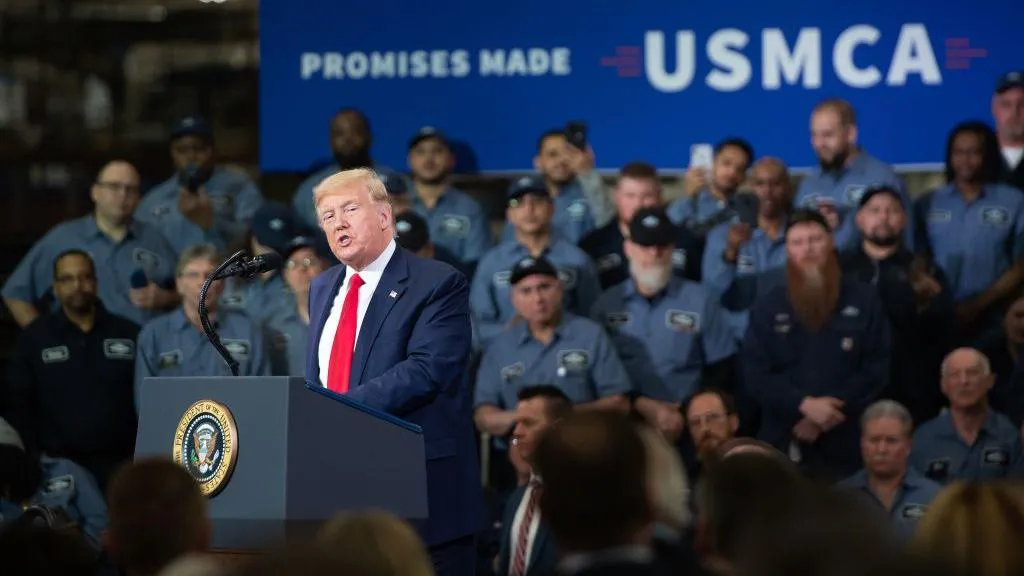
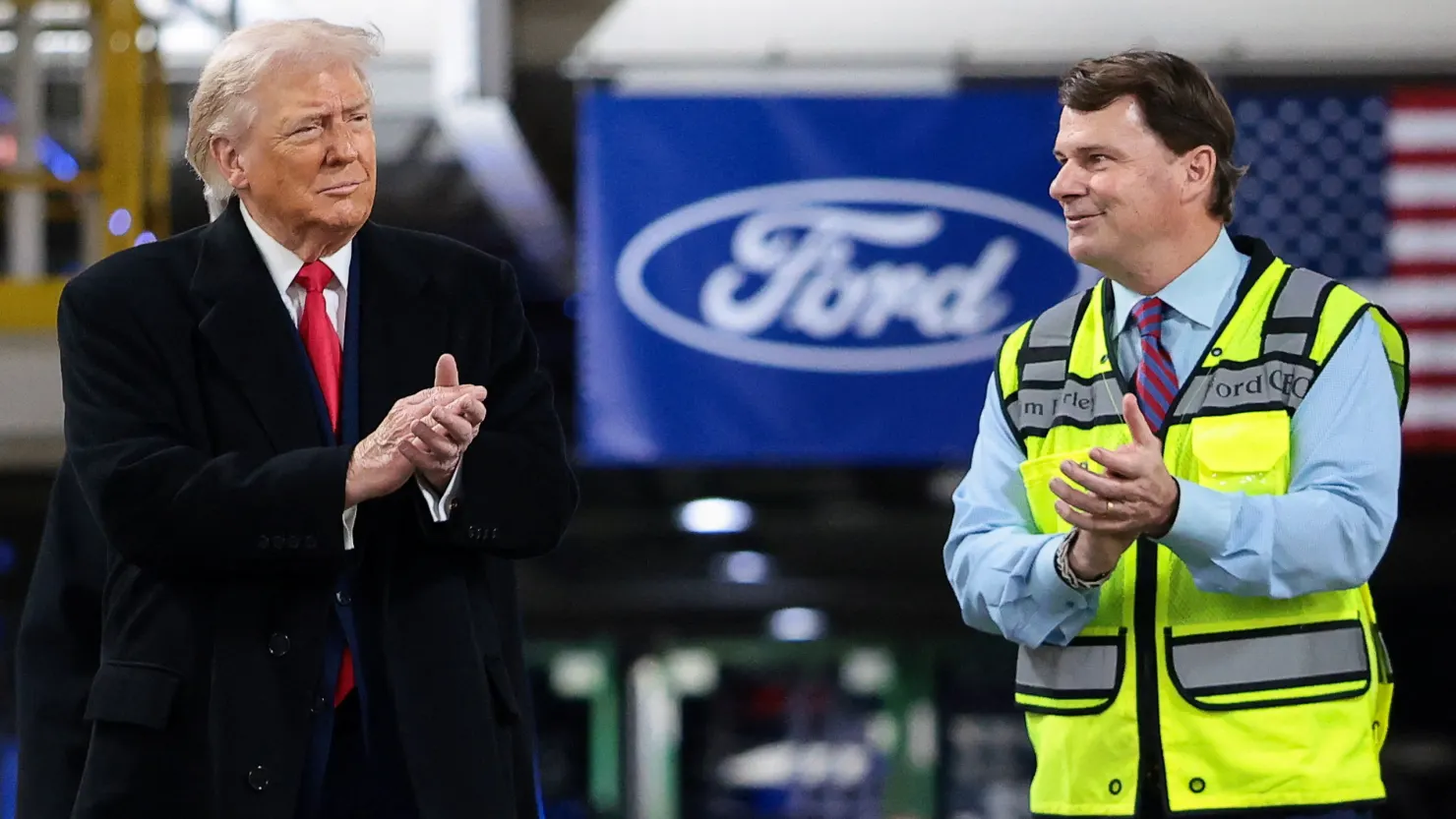
The USMCA trade talks have officially entered a new phase. This follows the United States opting not to grant the North American trade agreement its automatic long-term extension. As negotiations restart, Ford Motor is urging policymakers to reshape the rules in ways that reward manufacturers investing heavily in domestic production. In addition, they want greater scrutiny on companies that rely extensively on imported vehicles.
Ford Chief Executive Jim Farley argues the next version of the agreement should better recognize companies that assemble most of their vehicles in the United States. He says the new agreement should also recognize those that maintain large domestic workforces. The renewed negotiations are expected to influence manufacturing strategies, supply chains and investment decisions across the North American automotive industry for years to come.
Information about the agreement and its legal framework can be found through the Office of the United States Trade Representative.
USMCA Trade Talks Focus on Domestic Manufacturing and Import Levels
A central issue emerging during the USMCA trade talks is how future rules should distinguish between manufacturers with extensive North American production and those importing a significant share of their vehicle sales from overseas factories.
Ford has maintained that companies making substantial investments in domestic assembly plants should benefit from trade provisions that encourage regional production. Moreover, executives believe revised rules could strengthen manufacturing employment. This would reinforce supply chains across the United States, Canada and Mexico.
Industry data indicate that several leading automakers continue importing large numbers of vehicles from Asia despite maintaining sizeable manufacturing operations in North America. Ford argues this creates competitive imbalances, especially when production costs differ significantly between regions.
Trade policy experts expect negotiators to revisit rules governing vehicle origin requirements, regional content thresholds and incentives designed to encourage additional manufacturing investment throughout North America.
Current information regarding automotive manufacturing and industry trends is available through the National Highway Traffic Safety Administration.
Automotive Industry Watches Negotiations Closely
Automakers, suppliers and labor organizations are monitoring the USMCA trade talks because the agreement supports one of the world’s most integrated manufacturing networks.
Modern vehicle production depends on components crossing international borders multiple times before final assembly. Any significant policy changes could affect production costs, logistics planning and future factory investments throughout the region.
Business organizations representing manufacturers, dealerships and suppliers have largely expressed support for maintaining a trilateral framework that preserves predictable trading conditions. At the same time, the framework addresses concerns that have emerged since the agreement entered into force.
Executives also warn that prolonged uncertainty surrounding future trade rules may delay capital investments. They add that companies may wait for greater clarity before expanding manufacturing capacity or introducing new vehicle programs.
Economic analysis covering North American manufacturing and trade can be accessed through the U.S. Bureau of Economic Analysis.
Future Agreement Could Reshape North American Vehicle Production
The reopening of negotiations follows the U.S. decision to replace the agreement’s automatic long-term renewal with periodic reviews. This creates an ongoing process that could eventually lead to significant revisions before the current framework reaches its expiration window.
For automakers, the outcome extends well beyond tariffs. Future discussions are expected to address labor standards, regional sourcing requirements, supply chain resilience, advanced manufacturing technologies and competition from producers operating outside North America.
Ford maintains that companies investing heavily in domestic production should receive stronger recognition under any revised agreement. The company argues that future trade policy should reward manufacturing commitments rather than simply measuring sales volumes.
As negotiations continue, governments, manufacturers and labor representatives will be closely evaluating proposals that could influence billions of USD in cross-border commerce. These proposals could also shape the competitive landscape of North America’s automotive industry for the next decade. Additional trade policy updates are published by the International Trade Administration.