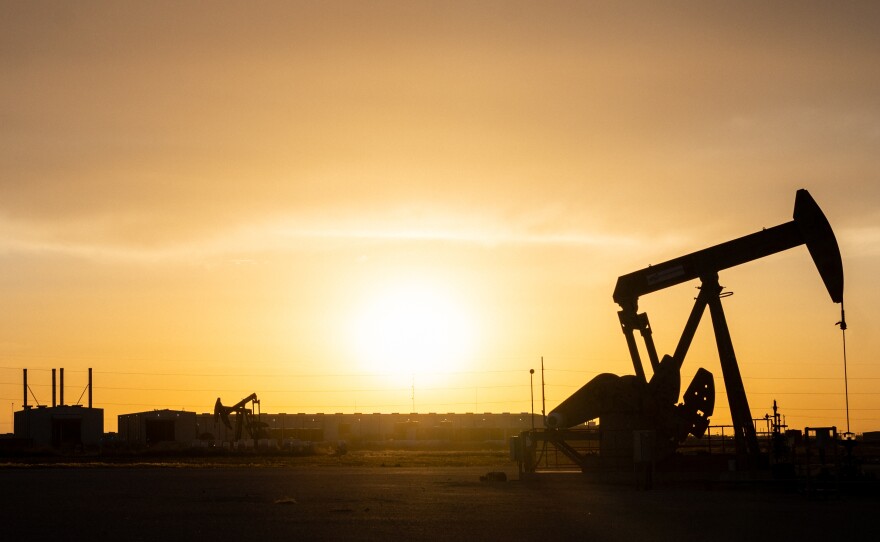
Rising tensions in the Middle East have once again pushed global oil prices higher. This trend is increasing gasoline costs for consumers while boosting profits for many of the world’s largest energy companies.
The surge has reignited debate in Washington over whether oil companies should pay a windfall profits tax. This debate centers on situations when geopolitical events—not increased production or innovation—lead to unusually large earnings.
Why Are Oil Companies Making More Money?
Oil prices have climbed following renewed fighting involving the United States and Iran, increasing revenues for producers around the world.
Because the cost of extracting oil has remained relatively stable for many companies, much of the additional revenue translates directly into higher profits.
According to research cited by environmental organization Global Witness, the world’s largest oil and gas companies generated billions of dollars in excess profits during the early stages of the conflict. This happened as crude prices surged.
What Is the Proposed Windfall Oil Tax?
Senator Sheldon Whitehouse of Rhode Island has reintroduced legislation. This legislation would tax a portion of extraordinary oil profits earned during periods of unusually high prices.
Under the proposal:
- A baseline average oil price would be established using pre-conflict market conditions.
- Profits generated above that benchmark would be considered “windfall” earnings.
- Oil companies would retain approximately half of those excess profits.
- The remaining revenue would be used to fund tax rebates for lower-income Americans facing higher energy costs.
Supporters argue the proposal would help offset rising fuel expenses while allowing companies to continue earning substantial profits.
Similar Taxes Already Exist Overseas
The United Kingdom introduced a windfall tax on oil and gas producers following the energy price spike caused by Russia’s invasion of Ukraine in 2022.
Several European countries also adopted temporary excess profits taxes. They used the revenue to help households cope with rising electricity and heating costs.
Some European governments have recently called for extending or reintroducing similar measures as energy markets remain volatile.
The U.S. Has Tried This Before
The United States previously enacted a windfall profits tax in 1980 after oil price shocks during the 1970s.
While the measure generated revenue, it ultimately fell short of expectations after oil prices declined in the mid-1980s. Analysts also found that certain tax provisions allowed companies to reduce their taxable profits through internal pricing arrangements.
Supporters of the current proposal say the new legislation is structured differently and is designed to avoid many of those earlier shortcomings. They say it uses broader market pricing rather than individual company transactions.
Oil Industry Pushes Back
The American Petroleum Institute strongly opposes the proposal.
Industry representatives argue that taxing unexpected profits discourages long-term investment in domestic energy production. In addition, they say it creates uncertainty for companies planning future exploration and infrastructure projects.
Supporters of the legislation counter that the tax would primarily affect the largest producers and importers. Most smaller U.S. oil producers would be left unaffected.
The Debate Ahead
The proposal reflects a broader policy debate over how governments should respond when global crises generate extraordinary corporate profits. At the same time, consumers face higher living costs.
Supporters believe excess profits earned during international conflicts should help offset the financial burden on American families.
Opponents argue that additional taxes could reduce investment, weaken domestic energy production, and ultimately contribute to higher prices in the long run.
As energy markets remain volatile, the future of a U.S. windfall oil tax is likely to remain a topic of debate in Congress.