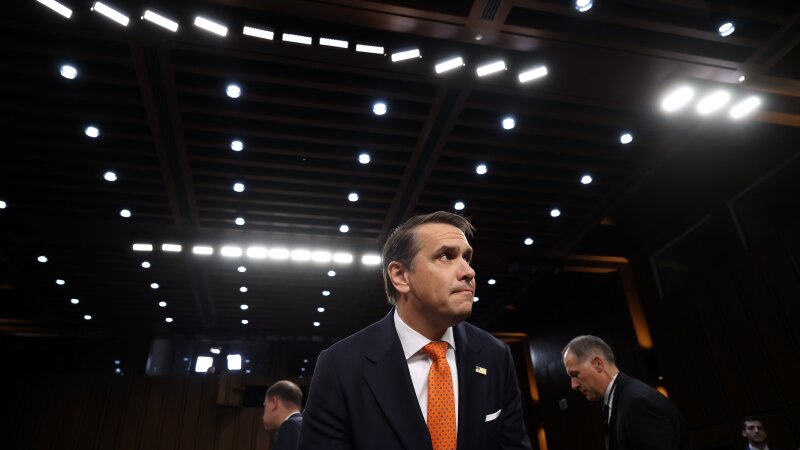
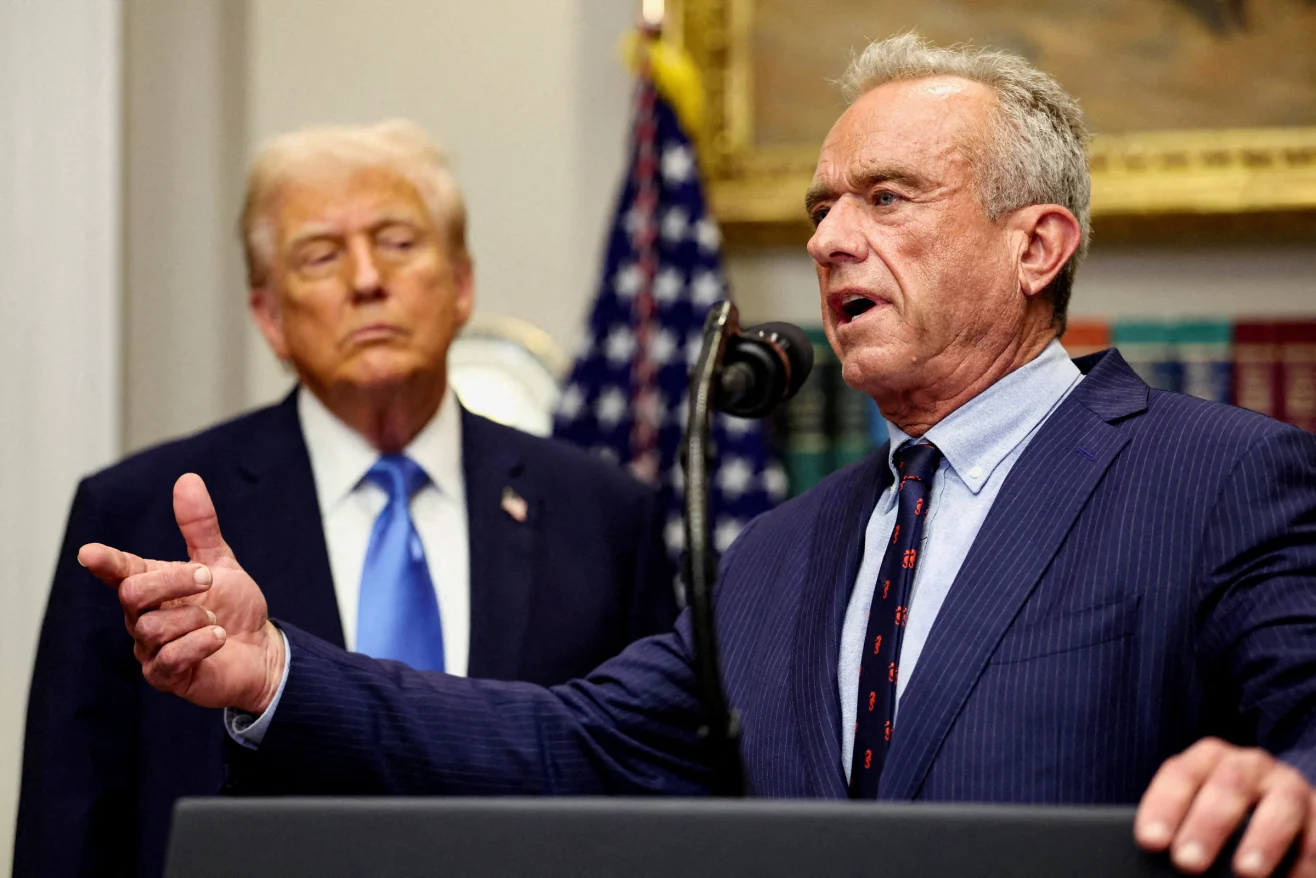
RFK Jr. vaccine policy has become one of the most closely watched issues in American public health. This comes as Health and Human Services Secretary Robert F. Kennedy Jr. pursues changes that could reshape how the federal government approaches immunization, vaccine research and public health guidance.
Supporters argue the administration is increasing transparency and encouraging additional scientific review of vaccine safety. Critics, however, warn that altering long-standing immunization policies could undermine public confidence in vaccines. These are vaccines that have been widely used to prevent infectious diseases.
Information about federal public health programs is available through the U.S. Department of Health and Human Services.
RFK Jr. vaccine policy draws support and criticism
Since taking office, Kennedy has promoted a broader review of vaccine-related policies. He has also called for additional research into vaccine safety and chronic disease. Several proposals have generated intense discussion among lawmakers, medical organizations and public health experts.
Many physician groups maintain that existing scientific evidence supports the safety and effectiveness of recommended childhood vaccines. In addition, organizations representing pediatricians and infectious disease specialists have emphasized that decades of research involving millions of patients have found no credible evidence linking routine childhood vaccinations to autism.
At the same time, administration officials have argued that expanding scientific review and improving transparency can strengthen public trust in healthcare institutions.
Current vaccine recommendations and immunization schedules are published by the Centers for Disease Control and Prevention.
Research funding and immunization guidance remain under review
The debate extends beyond vaccine recommendations to the future direction of federally funded medical research. Health officials have discussed shifting priorities for research grants while reviewing existing public health initiatives across several federal agencies.
Medical researchers caution that changes to funding priorities can affect long-term studies involving infectious diseases, public health surveillance and vaccine development. Moreover, universities and healthcare organizations have expressed concern that uncertainty surrounding grant programs could delay ongoing scientific projects.
Federal agencies continue to evaluate immunization policies while balancing public health objectives, scientific evidence and evolving healthcare priorities.
Additional information on vaccine research is available from the National Institutes of Health.
Public health experts emphasize evidence-based decision making
The discussion surrounding vaccine policy reflects broader questions about how governments evaluate scientific evidence, communicate health guidance and respond to public concerns.
Public health specialists generally agree that maintaining confidence in medical recommendations requires transparent research, independent scientific review and clear communication with patients. They also note that vaccination programs have played a significant role in reducing illness and preventing outbreaks of many infectious diseases.
As policymakers continue reviewing federal health priorities, medical organizations, researchers and government officials are expected to remain engaged in ongoing discussions. These discussions relate to the future of immunization policy and biomedical research in the United States.
Global guidance on immunization and vaccine safety is available through the World Health Organization.