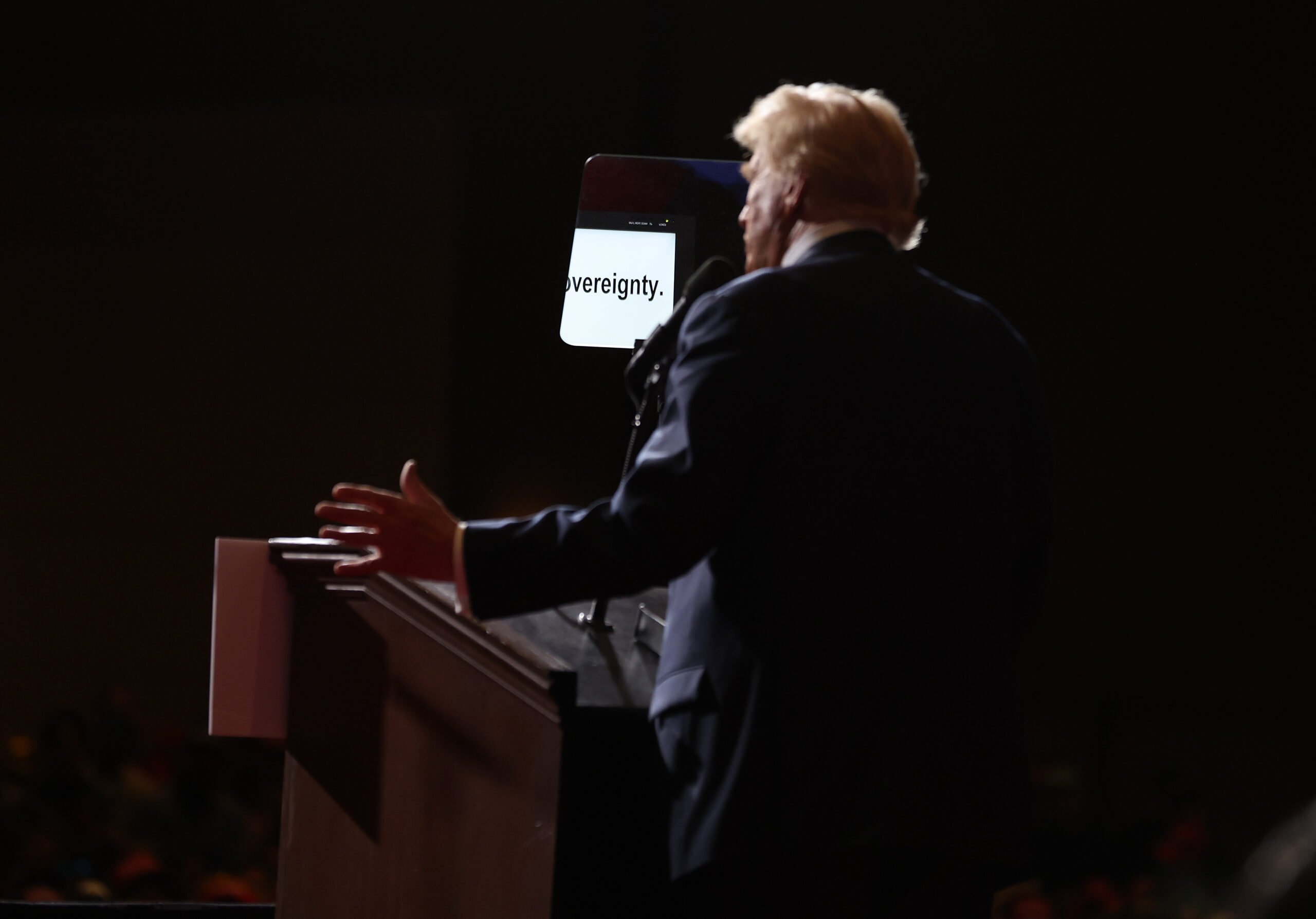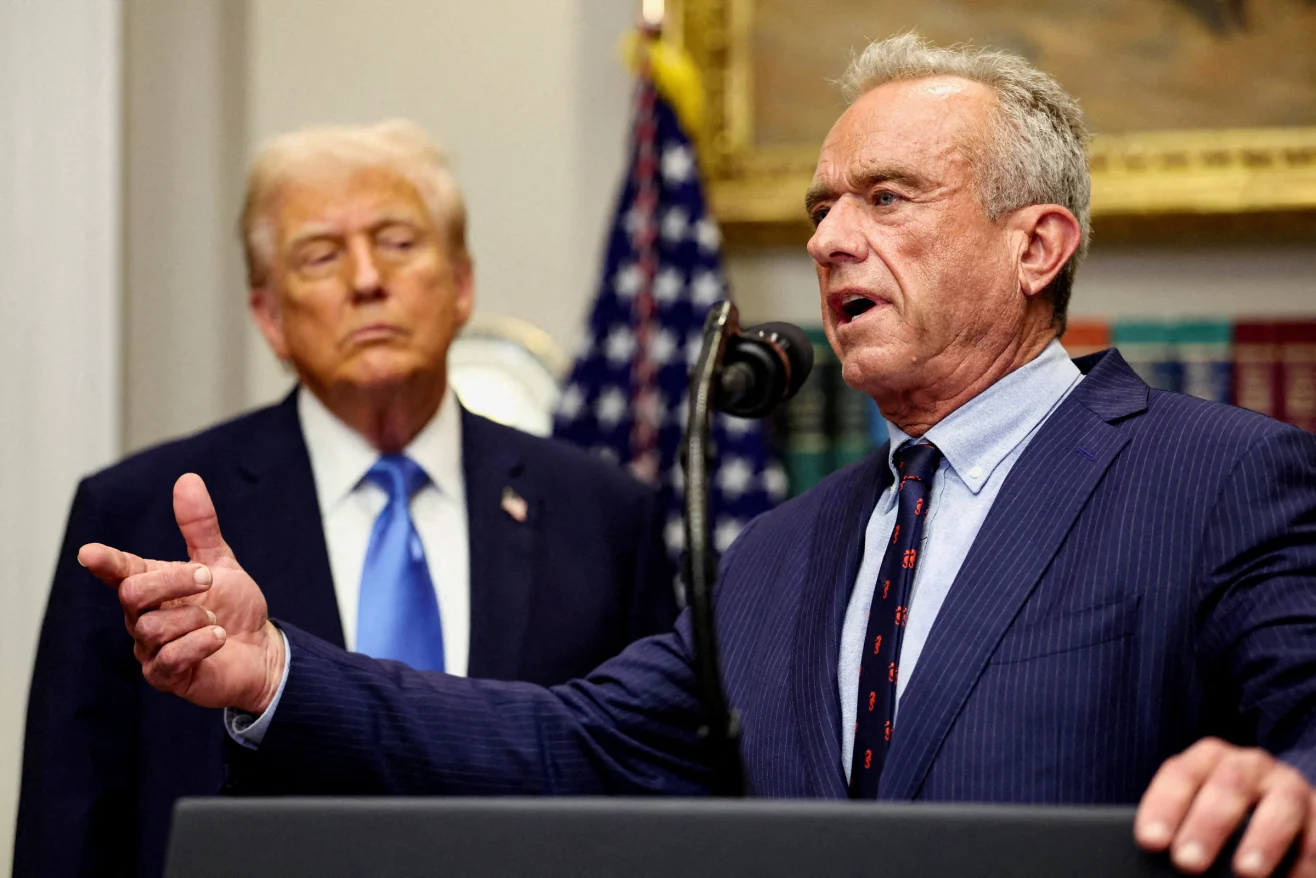
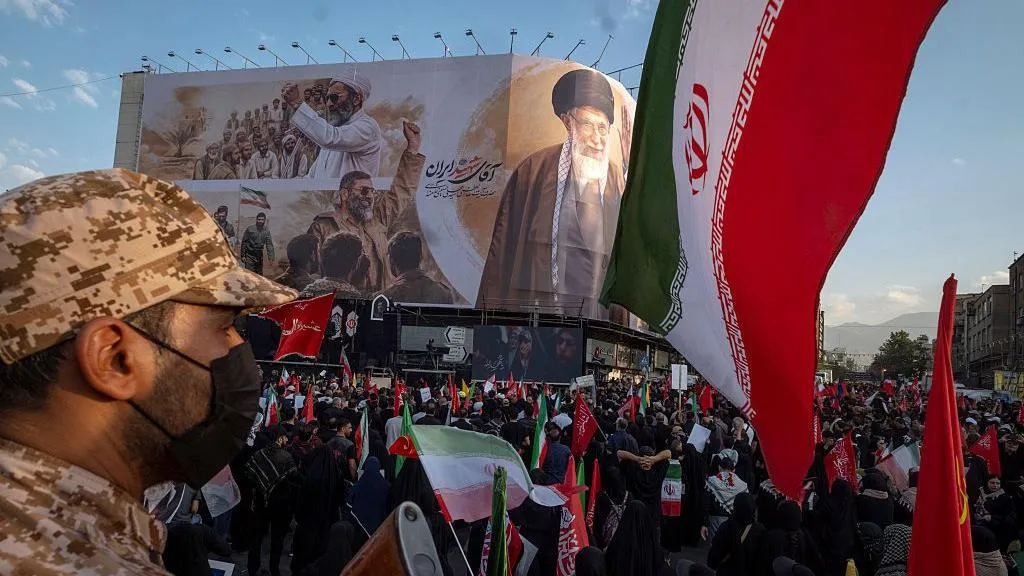
The US Iran conflict entered another dangerous phase after American forces launched a new round of military strikes against Iranian targets linked to operations around the Strait of Hormuz. The attacks came as President Donald Trump warned Tehran to change its behavior or face additional military action. This development signaled that diplomatic efforts remain uncertain despite previous negotiations.
According to U.S. military officials, the strikes focused on facilities believed to support operations threatening commercial shipping in one of the world’s most strategically important maritime corridors. Iranian authorities reported air defense activity in several locations. They confirmed that military infrastructure had been targeted.
Official updates on U.S. defense operations are available through the U.S. Department of Defense.
US Iran conflict expands across the region
Iran responded by announcing attacks against American military positions elsewhere in the Middle East, including installations associated with regional security operations. Local authorities in neighboring countries reported activating defensive systems. Missiles and drones were intercepted before causing significant damage.
The latest exchange represents another setback for efforts to preserve a preliminary agreement designed to reduce hostilities. Iranian officials argued that existing arrangements no longer serve the country’s interests. Meanwhile, Washington maintains that military pressure remains necessary to protect international navigation.
President Trump reiterated that further action remains possible if negotiations fail to resume. However, he declined to specify a timeline for additional measures.
Background information on the Strait of Hormuz and international maritime security can be found at the International Maritime Organization.
Strait of Hormuz remains the central flashpoint
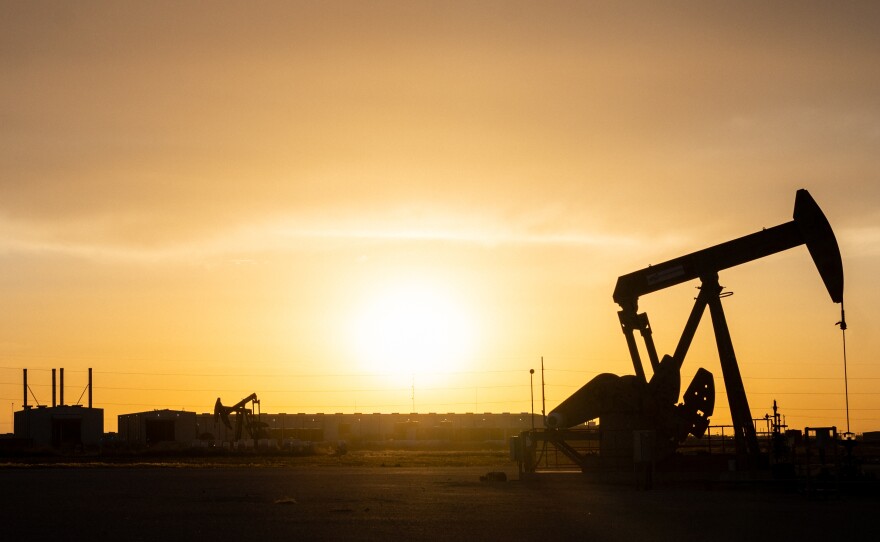
The Strait of Hormuz continues to dominate the dispute between Washington and Tehran. The narrow waterway carries a substantial share of global oil exports. As a result, any disruption is a major concern for energy markets and international shipping.
U.S. Central Command said recent operations targeted command facilities, missile positions, air defense systems and surveillance infrastructure believed to support Iranian military activities along the coastline. Military officials also confirmed that naval forces redirected commercial vessels. This action followed renewed restrictions affecting access to Iranian ports.
Iranian leaders defended their position, arguing that maintaining influence over nearby shipping routes remains essential to the country’s national security. Officials also warned that additional energy export routes could become vulnerable if the confrontation continues.
Current global energy market analysis is published by the International Energy Agency.
Diplomatic uncertainty grows as military pressure increases
Despite the intensified fighting, limited diplomatic signals remain. The release of an American citizen previously detained in Iran was welcomed by Washington as a positive humanitarian development. However, it did little to ease broader geopolitical tensions.
Analysts say the latest military exchanges highlight the fragile nature of previous negotiations. This situation demonstrates how quickly the security situation can deteriorate when disagreements over strategic waterways remain unresolved.
Meanwhile, financial markets continue monitoring developments closely as reduced tanker traffic through the Strait of Hormuz raises concerns about global energy supplies and shipping costs. Governments across the region have increased security measures. Additionally, they are urging restraint to prevent a wider regional conflict.
International diplomatic developments and Security Council activities are available through the United Nations.