Diplomatic efforts restart as uncertainty lingers
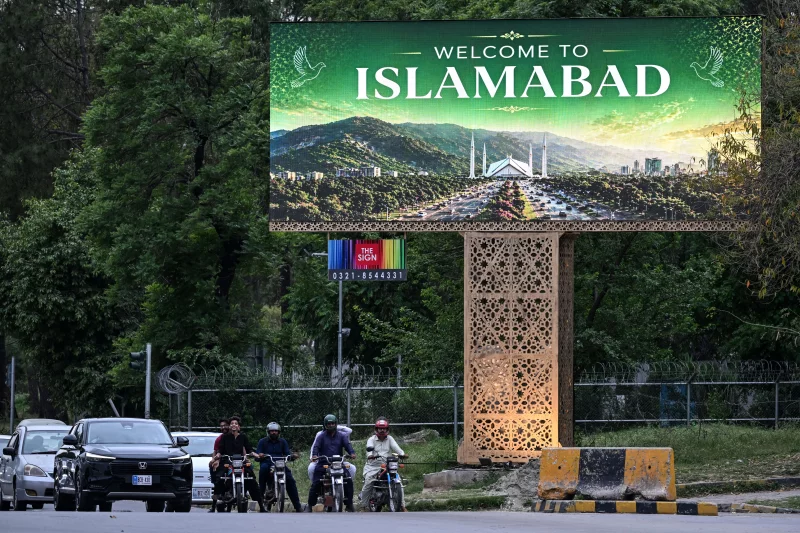
A new round of diplomatic engagement between the United States and Iran is set to unfold in Pakistan. Senior envoys are preparing to resume discussions aimed at easing escalating tensions. The planned meetings in Islamabad are part of the ongoing US Iran peace talks Pakistan is hosting. Moreover, they come at a delicate moment, with both sides signaling cautious openness to dialogue. Both also maintain firm positions on key issues.
U.S. representatives, including special envoy Steve Witkoff and senior adviser Jared Kushner, are expected to lead the American delegation. Their visit follows earlier talks hosted in Pakistan. This marked a rare moment of direct communication between the two governments. According to updates shared through the White House, officials hope the renewed engagement will provide an opportunity to clarify positions. They aim to potentially move toward a broader agreement as well. Notably, these US Iran peace talks Pakistan is facilitating have drawn heightened global attention.
Iran has confirmed the presence of its foreign minister in Islamabad but has not formally committed to participating in negotiations. This ambiguity reflects ongoing frustration in Tehran over recent developments, particularly the continuation of military and economic pressure measures. Still, the question remains whether US Iran peace talks Pakistan continues to pursue will bridge these divides.
Despite these tensions, diplomatic channels remain open. The upcoming meetings are seen as a test of whether both sides can reestablish a working framework for negotiations. This follows weeks of strained relations and conflicting signals. Fundamentally, this is the goal of the US Iran peace talks Pakistan is underpinning.
Regional conflict complicates negotiations
Efforts to revive talks are unfolding against the backdrop of renewed violence across the Middle East. Military exchanges between Israel and Hezbollah in southern Lebanon have intensified concerns about regional stability. Even so, a fragile ceasefire remains technically in place.
The situation in Lebanon is closely tied to broader U.S.-Iran dynamics. Tehran has insisted that calm along the Israel-Lebanon front is a necessary condition for meaningful negotiations. Consequently, this links localized conflicts to the wider diplomatic process.
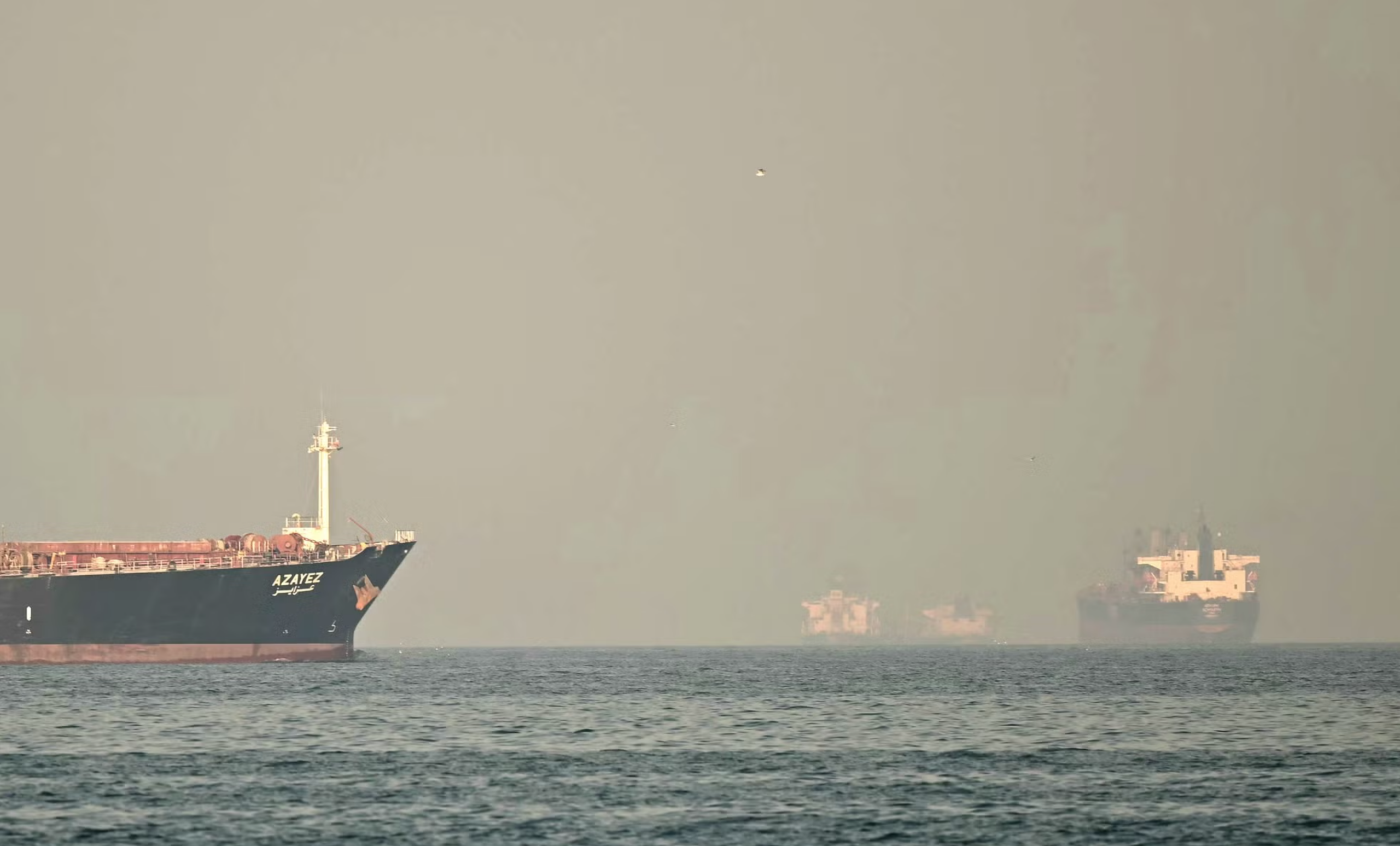
Meanwhile, developments in the Strait of Hormuz continue to disrupt global trade routes. The strategic waterway, essential for energy shipments and industrial materials, has seen heightened security risks. Information tracked through the International Maritime Organization highlights the growing impact on shipping operations. Because of this, vessels are rerouting or delaying transit due to safety concerns.
These disruptions extend beyond oil, affecting the flow of key resources such as aluminum and fertilizers. These resources are critical to global supply chains. Rising uncertainty has added pressure to international markets. As a result, the urgency of diplomatic solutions has been reinforced.
Global pressure mounts for renewed dialogue
International voices are increasingly calling for de-escalation and a return to sustained negotiations. Concerns about civilian safety, economic disruption, and long-term regional stability have intensified as the conflict shows no clear resolution.
Advocacy groups and policy organizations, including the Committee to Protect Journalists, have also raised alarms over the safety of civilians and media workers in conflict zones. This underscores the broader humanitarian implications of the crisis.
At the same time, multilateral frameworks supported by institutions such as the United Nations emphasize the importance of dialogue in preventing further escalation. Diplomatic engagement remains one of the few viable paths to reducing tensions and stabilizing the region.
The upcoming talks in Pakistan will take place under intense global scrutiny. Expectations are shaped by both recent setbacks and the enduring need for a negotiated outcome. Ultimately, the results of these US Iran peace talks Pakistan is brokering will be closely watched worldwide.