Escalation at Sea Raises Diplomatic Uncertainty
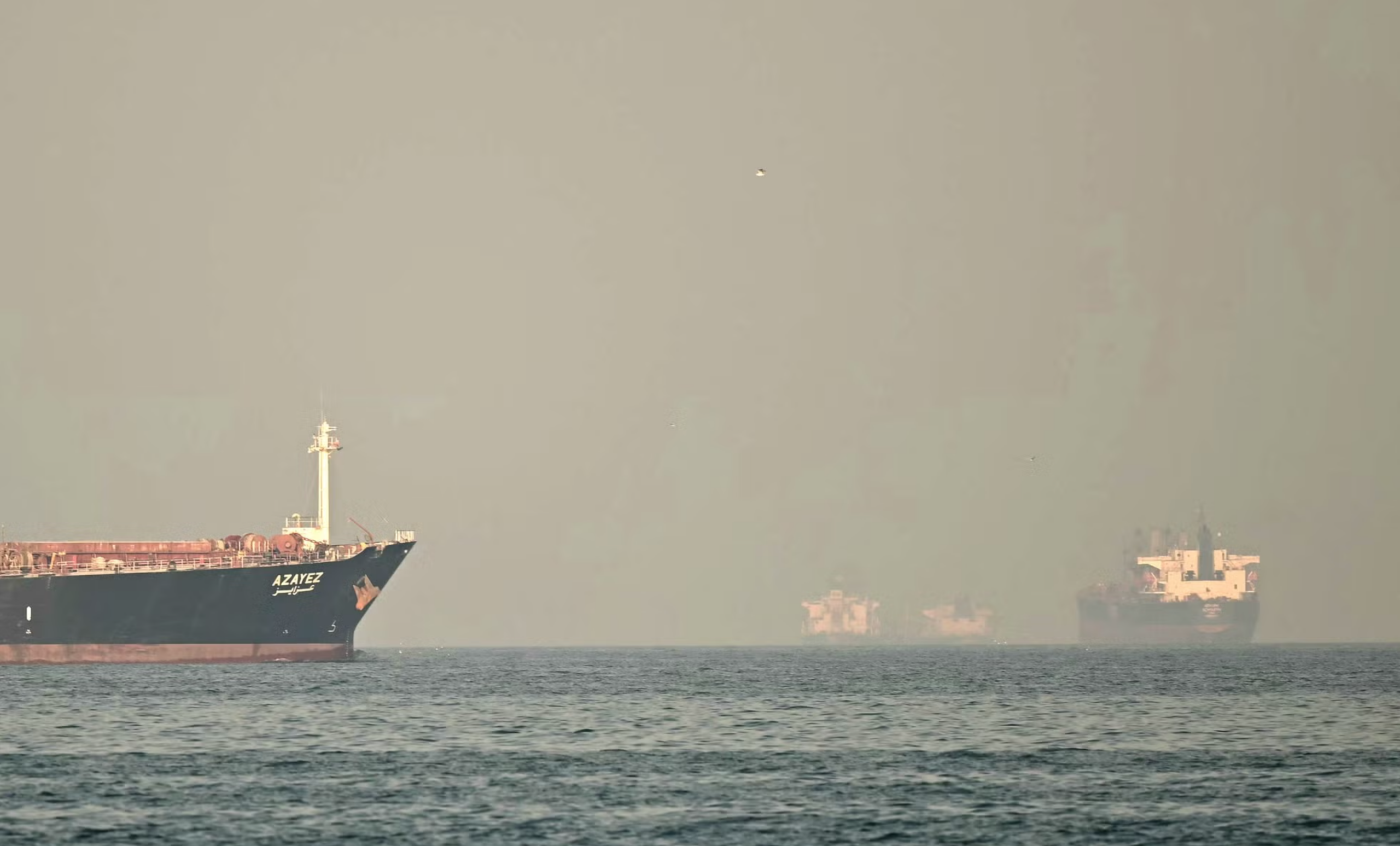
Efforts to resume diplomatic engagement between Washington and Tehran are facing serious uncertainty following a dramatic maritime confrontation in the Strait of Hormuz. The latest developments are being described in international media as a US Iran peace talks crisis, with tensions rising between the two countries. A U.S. naval operation intercepted and seized an Iranian-flagged cargo vessel, intensifying already fragile relations between the two nations. The incident, carried out under existing sanctions enforcement, has drawn sharp reactions from Iranian officials and cast doubt on whether planned negotiations will proceed. In this context, the US Iran peace talks crisis is deepening, with more questions than answers about the possibility of future diplomacy.
According to military officials, the vessel was disabled before being boarded by U.S. forces in a coordinated operation involving aerial deployment. The move comes amid heightened enforcement measures linked to sanctions overseen by the U.S. Treasury Department, targeting Iranian shipping activity in key international waters. The strategic importance of the Strait of Hormuz, a critical global oil transit route, amplifies the implications of any confrontation in the region, especially amid the ongoing US Iran peace talks crisis.
Tehran has responded cautiously but firmly, signaling that it may reconsider participation in upcoming talks. Officials have questioned Washington’s commitment to diplomacy, pointing to recent military actions as evidence of conflicting intentions. Additionally, the US Iran peace talks crisis has contributed to Tehran’s skepticism.
Planned Talks in Pakistan Face Uncertainty
Despite the growing tensions, preparations are underway in Islamabad for a second round of negotiations between the United States and Iran. A U.S. delegation led by Vice President JD Vance is expected to travel to Pakistan, accompanied by senior diplomatic figures. However, Iran has yet to confirm its attendance, leaving the future of the talks uncertain.
Statements from Iranian representatives suggest skepticism about the process, with officials emphasizing the need for genuine diplomatic engagement. Meanwhile, Washington has maintained a firm stance, warning Tehran against withdrawing from negotiations. The previous round of discussions ended without progress, largely due to disagreements over nuclear policy and enrichment activities monitored by the International Atomic Energy Agency. It is clear that resolving the US Iran peace talks crisis will require significant diplomatic effort and compromise from both parties.
The geopolitical stakes remain high, as both sides weigh the costs of escalation against the potential benefits of renewed dialogue. Pakistan’s role as host underscores its position as a regional intermediary, though success will depend heavily on both parties’ willingness to engage constructively.
Market Reactions and Regional Impact
The unfolding crisis has had immediate repercussions on global markets, particularly in the energy sector. Oil prices surged by over 5.3%, reaching $95.62 per barrel, reflecting investor concerns about supply disruptions in one of the world’s most vital النفط corridors. Analysts tracking data from the U.S. Energy Information Administration note that volatility is likely to persist as long as uncertainty remains.
Beyond economic effects, the broader regional situation continues to evolve. A temporary ceasefire involving Iran-linked groups and Israeli forces is holding, though tensions remain high. Isolated incidents and military responses risk undermining the fragile stability currently in place. Notably, the US Iran peace talks crisis adds another layer of complexity to an already volatile environment.
Casualty figures released by Iranian authorities indicate significant human losses, including hundreds of minors, highlighting the ongoing humanitarian dimension of the conflict. Oversight bodies such as the International Committee of the Red Cross continue to monitor developments, emphasizing the need for restraint and protection of civilians.
As diplomatic channels remain in flux, the convergence of military action, economic pressure, and political rhetoric continues to shape a volatile landscape with global implications.