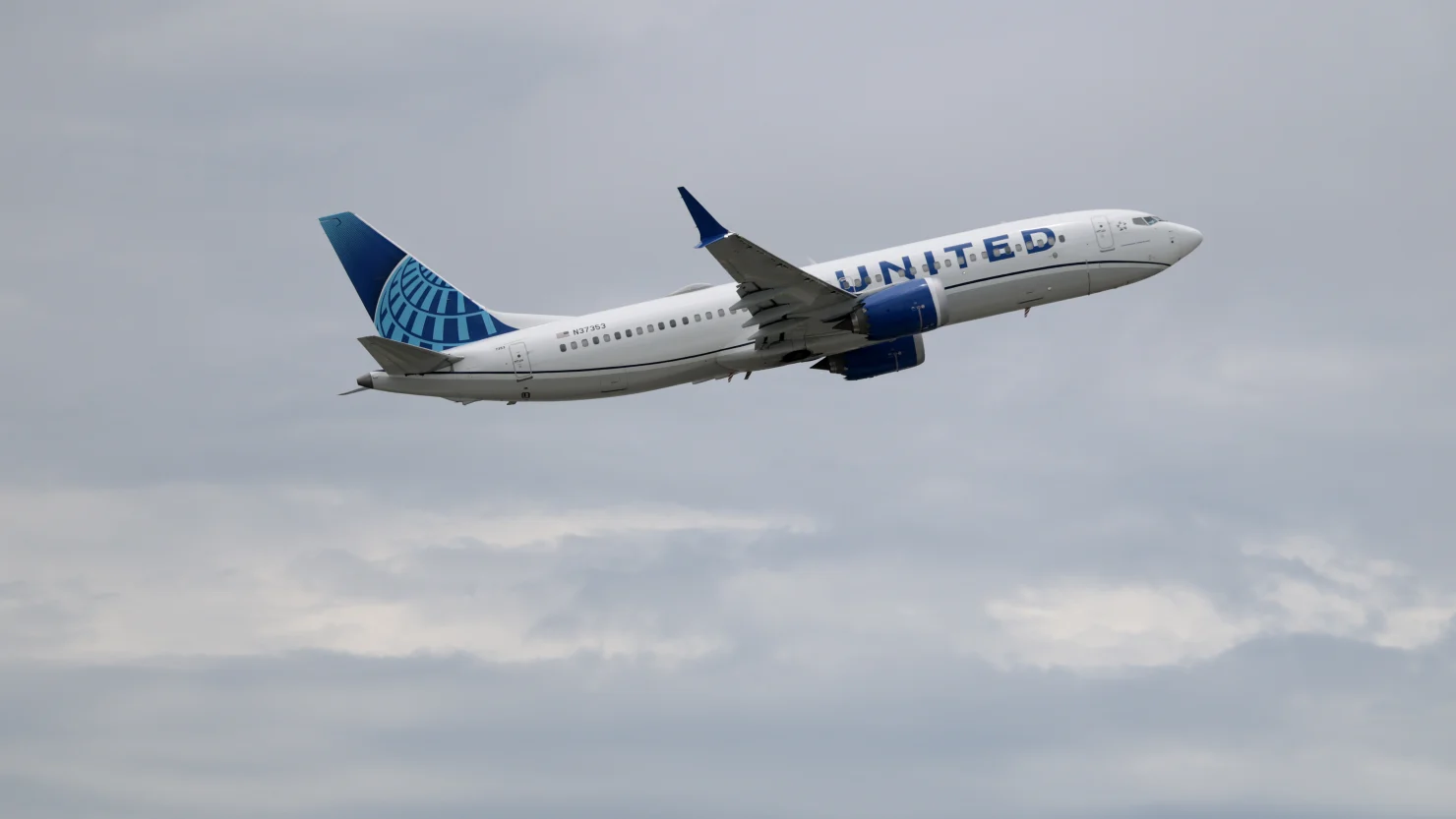
United Airlines earnings exceeded Wall Street expectations in the second quarter, but the carrier warned that sharply higher jet fuel prices continue to pressure profitability. While strong passenger demand supported revenue growth, executives said rising fuel expenses remain the airline’s biggest financial challenge outside labor costs.
For the quarter ending June 30, United reported adjusted earnings of USD 1.99 per share, beating analysts’ estimate of USD 1.88 per share. Revenue reached USD 17.67 billion, slightly above the expected USD 17.61 billion, reflecting continued demand across domestic and international markets.
Financial reporting standards for publicly traded companies can be found through the U.S. Securities and Exchange Commission.
United Airlines earnings pressured by higher fuel prices
Although quarterly results surpassed expectations, the company lowered its outlook for the third quarter. United now expects adjusted earnings between USD 2.50 and USD 3.50 per share, below analysts’ consensus estimate of USD 3.60 per share.
The airline also revised its full-year adjusted earnings guidance to a range of USD 9.00 to USD 11.00 per share, narrowing projections after significant volatility in global energy markets.
According to industry data, jet fuel prices at major U.S. airports have climbed sharply during July as geopolitical tensions in the Middle East disrupted energy markets. United estimates those increases could add nearly USD 6 billionto operating expenses during 2026 compared with projections made at the beginning of the year.
Industry fuel market information is available through Airlines for America.
Second-quarter fuel expenses surged to approximately USD 2.3 billion, representing an increase of about 84% from the same period last year. Company executives said they expect to offset most of those additional costs through pricing adjustments during the remainder of the year.
Revenue growth remains strong despite higher fares
United expanded capacity by approximately 3.5% during the second quarter while reporting a 16% increase in total revenue compared with a year earlier. Unit revenue also posted its strongest growth since early 2023, supported by premium cabins, corporate travel, international routes and basic economy fares.
The airline said customer demand has remained resilient even as ticket prices increased, a trend also highlighted by other major U.S. carriers facing similar cost pressures.
Market data and airline financial information are published by Nasdaq.
Capacity plans could change as costs remain volatile
United cautioned that persistent fuel price volatility may lead to additional adjustments in flight capacity if operating costs continue rising throughout the year.
Despite stronger revenue, net income declined more than 17% to USD 805 million, while adjusted net income reached USD 649 million, reflecting the impact of higher fuel expenses on overall profitability.
Executives are expected to provide additional details during the company’s quarterly earnings conference call, where investors will likely seek further guidance on pricing strategy, capacity planning and expectations for fuel markets during the second half of the year.
Additional information about commercial aviation trends is available from the International Air Transport Association.