From TikTok videos and podcast interviews to influencer collaborations, politicians have experimented with numerous ways to connect with younger audiences. Now, a growing number of elected officials are embracing a different strategy: debating Gen Z face-to-face on YouTube.
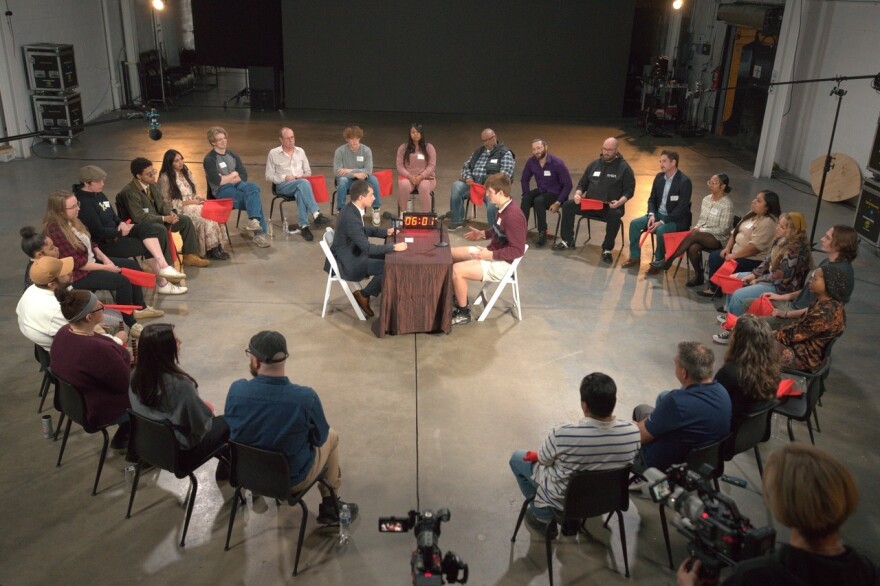
The latest destination for these conversations is Jubilee Media’s hit series Surrounded, where a single guest debates a room full of people who disagree with them on major political and social issues.
A New Campaign Strategy
Unlike traditional television interviews that often last only a few minutes, Surrounded gives politicians more than an hour of unscripted conversation.
Each episode places one guest in the center of a room, surrounded by participants who take turns challenging their ideas. Discussions cover topics ranging from voting and public policy to social issues and political trust.
The format forces guests to respond in real time without prepared talking points, creating a more authentic interaction that resonates with online audiences.
Wes Moore Takes the Hot Seat
One of the show’s most notable political guests was Maryland Governor Wes Moore, who debated a group of infrequent and non-voters.
Throughout the discussion, Moore argued that voting remains the most effective way to create political change, even as participants voiced frustration with both major political parties.
Questions focused on issues many young Americans frequently raise, including whether voting still matters, dissatisfaction with the political system, and concerns that elected officials fail to deliver meaningful change.
Rather than dismissing these frustrations, Moore acknowledged them while encouraging greater civic participation.
Why Jubilee Matters
Jubilee Media has become one of YouTube’s most influential discussion platforms among younger audiences.
According to the company, its content reaches an audience primarily between 18 and 34 years old, generating hundreds of millions of monthly views across digital platforms.
Founder Jason Y. Lee believes younger viewers are looking for something different from traditional political media.
Instead of scripted interviews, they prefer long-form conversations where disagreement is encouraged and participants challenge one another respectfully.
Democrats Embrace Digital Spaces
Several Democratic leaders have already appeared on Surrounded, including:
- Wes Moore
- Pete Buttigieg
- Ro Khanna
- James Talarico
While Republican elected officials have not yet participated, Jubilee has featured numerous conservative commentators and creators, and the platform says leaders from both parties have expressed interest.
Why Young Voters Matter
Winning younger voters has become increasingly important for both political parties.
Although younger Americans have historically leaned Democratic, recent elections have shown changing voting patterns and growing political skepticism among Gen Z.
Many younger voters now consume political content primarily through YouTube, podcasts, TikTok, and livestreams rather than traditional television news.
That shift has encouraged campaigns to rethink how they communicate with future voters.
Authenticity Over Advertising
Participants interviewed after filming said they appreciated politicians who were willing to answer difficult questions without scripted responses.
Even when they disagreed with a guest’s policies, many said the willingness to engage directly earned their respect.
This reflects a broader trend in political communication: younger audiences increasingly value authenticity, transparency, and open discussion over polished campaign messaging.
Looking Toward 2028
Jubilee’s leadership believes digital debate formats will play an even larger role in future elections.
One ambitious idea already being discussed is hosting a presidential debate on the platform ahead of the 2028 election.
As campaigns continue adapting to changing media habits, appearances on online debate shows may become as important as traditional television interviews—especially when trying to reach the next generation of American voters.