
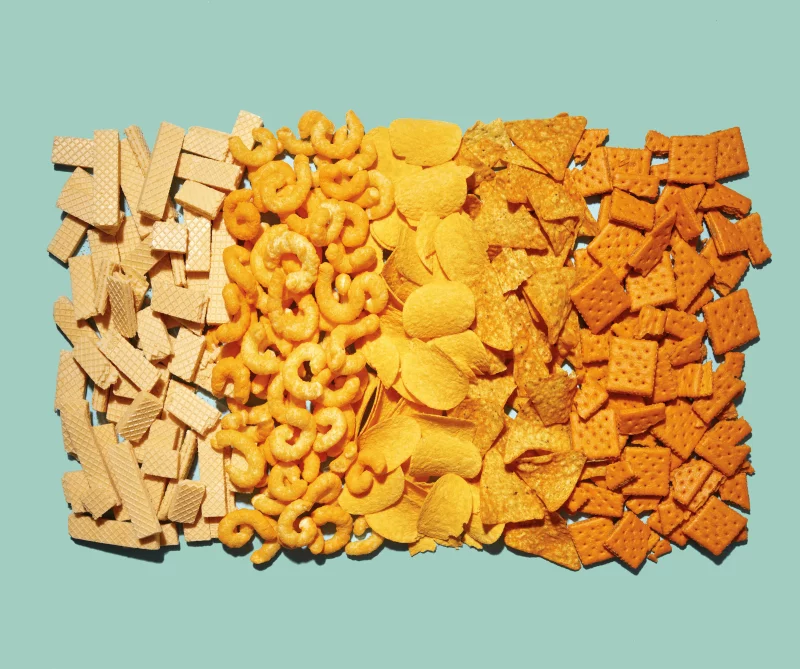
Ultra-processed foods are increasingly becoming the focus of public health debates as researchers examine how decades of food manufacturing practices may have contributed to rising rates of obesity, diabetes, cardiovascular disease, and other chronic health conditions. In addition, a growing body of academic research suggests that some of the strategies used to market and formulate these products may share similarities with methods previously employed by major tobacco companies.
The discussion comes as policymakers, health experts, and consumer advocates evaluate whether regulatory approaches once used to reduce tobacco consumption could provide a framework for addressing concerns surrounding ultra-processed foods. These products include packaged snacks, sugary beverages, ready-to-eat meals, and many convenience foods. As a result, these now account for a substantial portion of daily calorie intake in many developed countries.
Research related to nutrition, food systems, and public health continues to be evaluated by organizations such as the World Health Organization. This organization has identified unhealthy diets as a major contributor to noncommunicable diseases worldwide.
Ultra-Processed Foods and the Legacy of Tobacco Industry Strategies
According to several researchers, the rapid expansion of ultra-processed foods during the late twentieth century coincided with a period in which major tobacco corporations acquired prominent food companies. They also expanded their influence within the packaged food sector.
Investigators examining historical corporate archives argue that techniques originally developed to increase the appeal of cigarettes were later adapted for food manufacturing. For example, these methods reportedly included extensive consumer testing, flavor optimization, ingredient engineering, and sophisticated marketing strategies designed to encourage repeat purchases.
One area of particular interest involves the development of highly palatable products containing combinations of sugar, fat, sodium, and refined carbohydrates. Moreover, critics argue that these formulations can stimulate reward pathways in ways that encourage overconsumption.
Information regarding food safety regulations and ingredient oversight can be explored through the U.S. Food and Drug Administration, which establishes standards for food products sold in the United States.
Researchers studying ultra-processed foods emphasize that modern food systems are highly complex and involve numerous factors beyond product formulation alone. These also include affordability, convenience, accessibility, consumer behavior, and lifestyle changes.
Health Concerns Linked to Ultra-Processed Foods Continue to Grow
The debate surrounding ultra-processed foods has intensified as scientific studies increasingly explore potential associations between high consumption levels and adverse health outcomes.
Multiple investigations have linked diets heavily dependent on processed products with increased risks of obesity, type 2 diabetes, cardiovascular disease, metabolic disorders, and certain forms of cancer. In addition, some recent studies have also examined potential relationships between dietary patterns and cognitive decline among older adults.
Nutrition experts note that research continues to evolve, and while many studies identify correlations, scientists are still working to understand the precise mechanisms that may explain these associations.
Data regarding nutrition trends and chronic disease prevention efforts can be reviewed CDC Nutrition, which tracks dietary health indicators and public health initiatives.
Beyond personal health concerns, some environmental researchers have raised questions about the broader ecological impact of large-scale food production. For example, packaging waste, resource consumption, and supply chain emissions have become increasingly important topics in discussions about the future of global food systems.
The growing focus on ultra-processed foods reflects a broader shift in public health priorities as governments seek strategies to address rising healthcare costs associated with diet-related diseases.
Policy Proposals Target Ultra-Processed Foods as Public Support Increases
Public opinion regarding ultra-processed foods appears to be evolving as awareness of nutrition-related health risks expands. Moreover, surveys conducted in recent years suggest that many consumers support stronger oversight of food additives, labeling requirements, and transparency measures designed to improve understanding of food ingredients.
Some jurisdictions have already introduced policies aimed at limiting specific additives, regulating food marketing practices, or strengthening nutritional disclosure requirements. Policymakers are also evaluating whether additional interventions could help reduce consumption of products associated with poor dietary outcomes.
Legal scholars have suggested that future public health efforts may include litigation, regulatory reforms, taxation measures, advertising restrictions, or expanded consumer education initiatives. Notably, similar approaches played significant roles in broader tobacco-control efforts over previous decades.
Information regarding national nutrition policy and dietary guidance can be accessed through the visible HTML reference https://www.dietaryguidelines.gov/“>Dietary Guidelines for Americans, which provides recommendations intended to support healthier eating habits.
Advocates for stronger action argue that the current scientific evidence, growing public awareness, and increasing political attention have created momentum for policy discussions surrounding ultra-processed foods. Meanwhile, industry representatives continue to emphasize consumer choice, product safety standards, affordability, and innovation within the food sector.
As governments, researchers, healthcare professionals, and consumers continue evaluating the role of ultra-processed foods in modern diets, the issue remains at the center of an expanding debate about nutrition, public health, regulation, and the future of food production.