
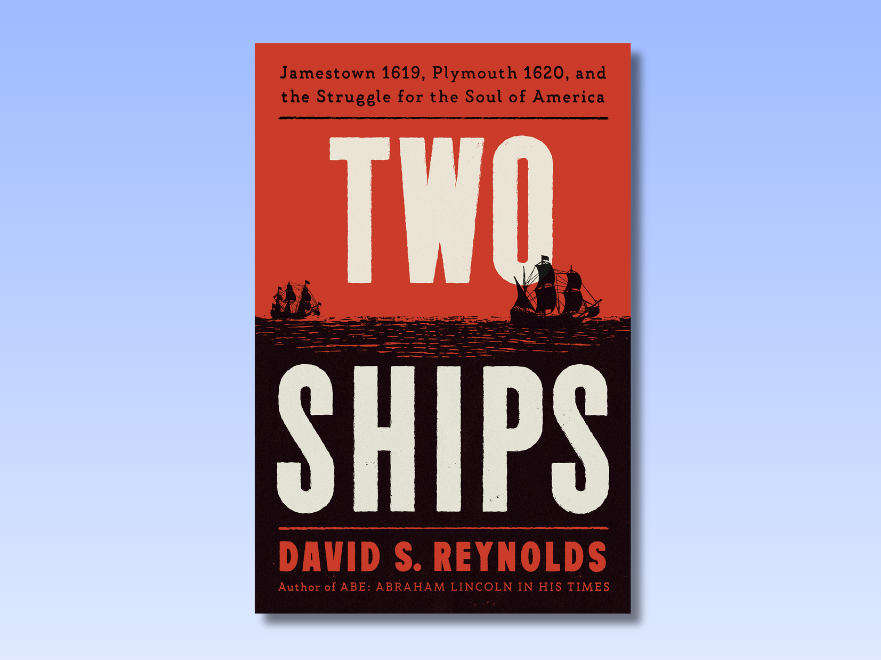
The Two Ships book by historian David S. Reynolds offers a fresh perspective on the origins of the United States. He does this by examining two voyages that profoundly shaped the nation’s historical imagination. Rather than focusing solely on the well-known arrival of the Mayflower in 1620, Reynolds places equal attention on the White Lion. This ship reached Virginia in 1619 carrying the first documented group of enslaved Africans to English North America.
Through this parallel history, the book argues that the significance of these two ships extends far beyond the historical events themselves. Over centuries, each voyage evolved into a powerful symbol. Notably, these symbols represent competing interpretations of American identity, freedom, democracy, and racial injustice.
By tracing how these narratives changed over time, Reynolds invites readers to reconsider the stories Americans tell about the nation’s beginnings. Furthermore, he shows how those stories continue to influence public debate today.
The Mayflower and White Lion Represent Two Different Historical Traditions
Reynolds explains that the Mayflower gradually became associated with ideals of religious liberty, self-government, and democratic aspirations. The Pilgrims who sailed aboard the vessel were later celebrated as symbols of political independence and civic responsibility. In fact, they helped establish one of the most enduring origin stories in American history.
In contrast, the White Lion came to represent another foundational reality: the beginning of African slavery within the English colonies that would eventually become the United States. Its arrival highlighted a different historical legacy. This legacy centered on forced labor, racial inequality, and the development of systems of human bondage.
The book argues that both voyages occupy essential places in understanding the nation’s development. Rather than competing histories, Reynolds presents them as interconnected narratives. Together, they shaped the political, economic, and cultural evolution of the United States.
Historical Symbols Changed Meaning Across Generations
A central theme of the Two Ships book is that historical symbols rarely remain fixed. Reynolds demonstrates how political leaders, writers, and social movements repeatedly reinterpreted the meanings of both vessels. They did this to support changing political arguments.
During the nineteenth century, debates surrounding slavery and the Civil War transformed the symbolism of the two ships. Abolitionists frequently invoked the White Lion as evidence of slavery’s foundational role in American history. Meanwhile, many defenders of the South criticized the Puritan traditions associated with the Mayflower. They portrayed them as representing intolerance and political extremism.
Reynolds also explores the influence of literature on public memory, examining how authors helped shape perceptions of colonial history and national identity. By connecting historical events with cultural narratives, the book illustrates how collective memory often reflects contemporary political concerns as much as historical evidence.
Contemporary Debates Continue to Revisit America’s Founding Story
Although Reynolds primarily focuses on earlier historical periods, the themes explored in the book remain highly relevant to current discussions about how American history should be taught and remembered. Questions surrounding democracy, race, historical memory, and national identity continue to influence public conversation. This is especially true as the United States approaches major commemorations of its founding.
The renewed attention given to the year 1619 and the arrival of the White Lion has encouraged broader public interest in examining multiple perspectives on the nation’s origins. Rather than presenting a single defining moment, Two Ships suggests that American history is best understood through the interaction of diverse experiences. It also recommends considering competing historical narratives.
By combining detailed historical research with cultural analysis, Reynolds provides readers with a broader framework for understanding how historical events become enduring national symbols. The book offers a thoughtful examination of the ways history is remembered, interpreted, and debated across generations. As a result, it makes a timely contribution to ongoing conversations about America’s past and its evolving national identity.