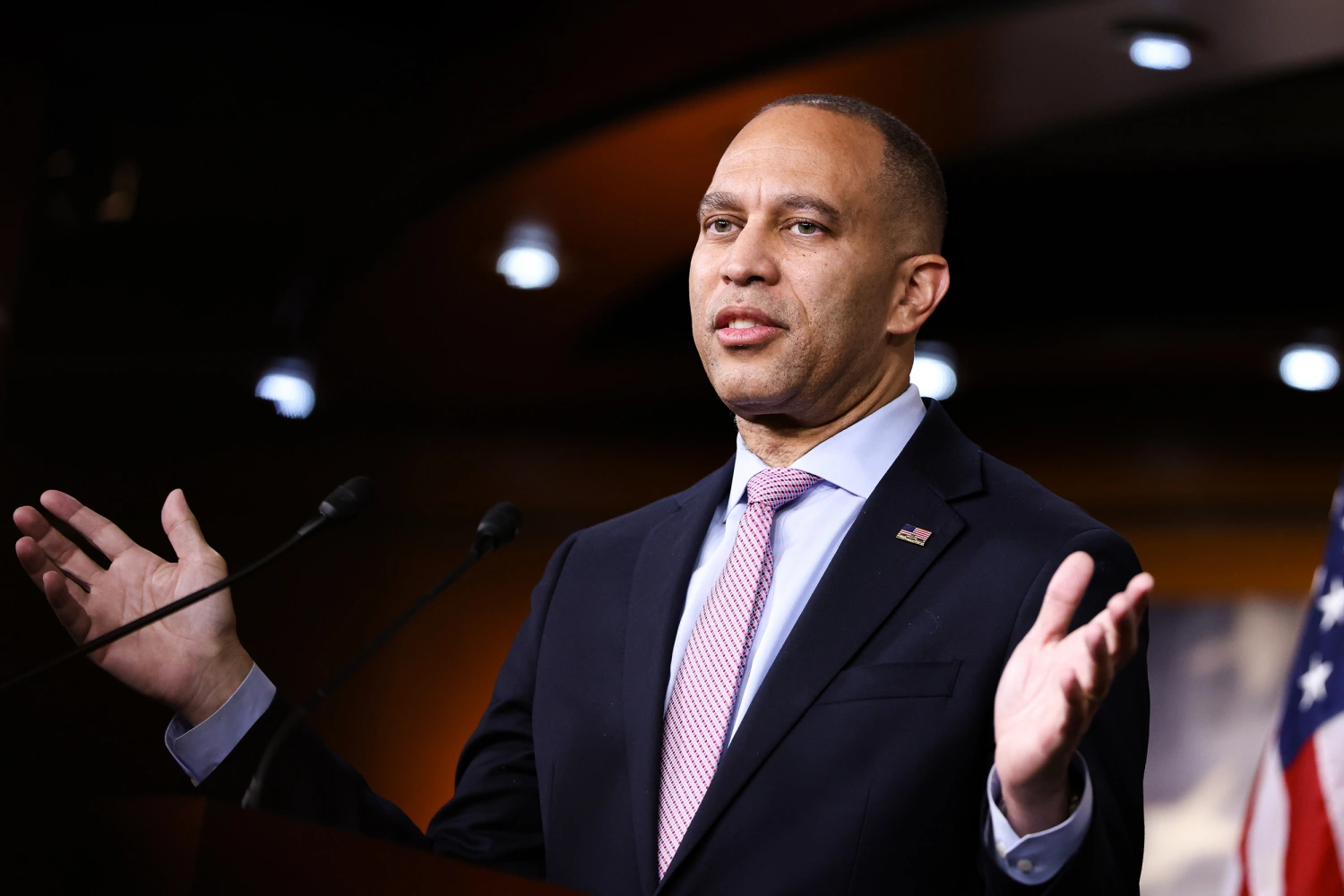
The Hakeem Jeffries Democratic unity message is taking center stage as competitive primary elections expose ideological differences within the Democratic Party. While progressive and moderate candidates continue to compete in congressional races across the country, the House Democratic leader has emphasized that maintaining a united caucus will be essential heading into the general election.
During a recent interview, Jeffries stressed that the Democratic Party has historically brought together lawmakers representing a wide range of political viewpoints. Rather than focusing on internal disagreements, he argued that the party’s attention should remain on winning competitive congressional districts and advancing shared legislative priorities.
His remarks come as Democrats prepare for critical elections that will help determine control of the House of Representatives and shape the national political landscape.
Democratic Party Divisions Reflect a Broad Ideological Coalition
The Democratic Party has long included members representing a broad ideological spectrum, ranging from progressive lawmakers to centrist and moderate representatives. Jeffries pointed to this diversity as a defining characteristic of the House Democratic Caucus, noting that different political perspectives have traditionally coexisted within the party.
As primary contests continue, several races have featured challengers from different ideological wings competing for nominations. These elections have renewed discussions about the future direction of the party and the balance between progressive policy proposals and more moderate approaches.
Jeffries indicated that he intends to continue working with all Democratic nominees regardless of primary outcomes, emphasizing collaboration once candidates advance to the general election.
Jeffries Focuses on General Election Priorities
Throughout his remarks, Jeffries consistently redirected attention toward the broader electoral contest rather than internal party disagreements. He argued that Democratic candidates share common objectives, including addressing the cost of living, expanding economic opportunities, and competing for Republican-held congressional seats.
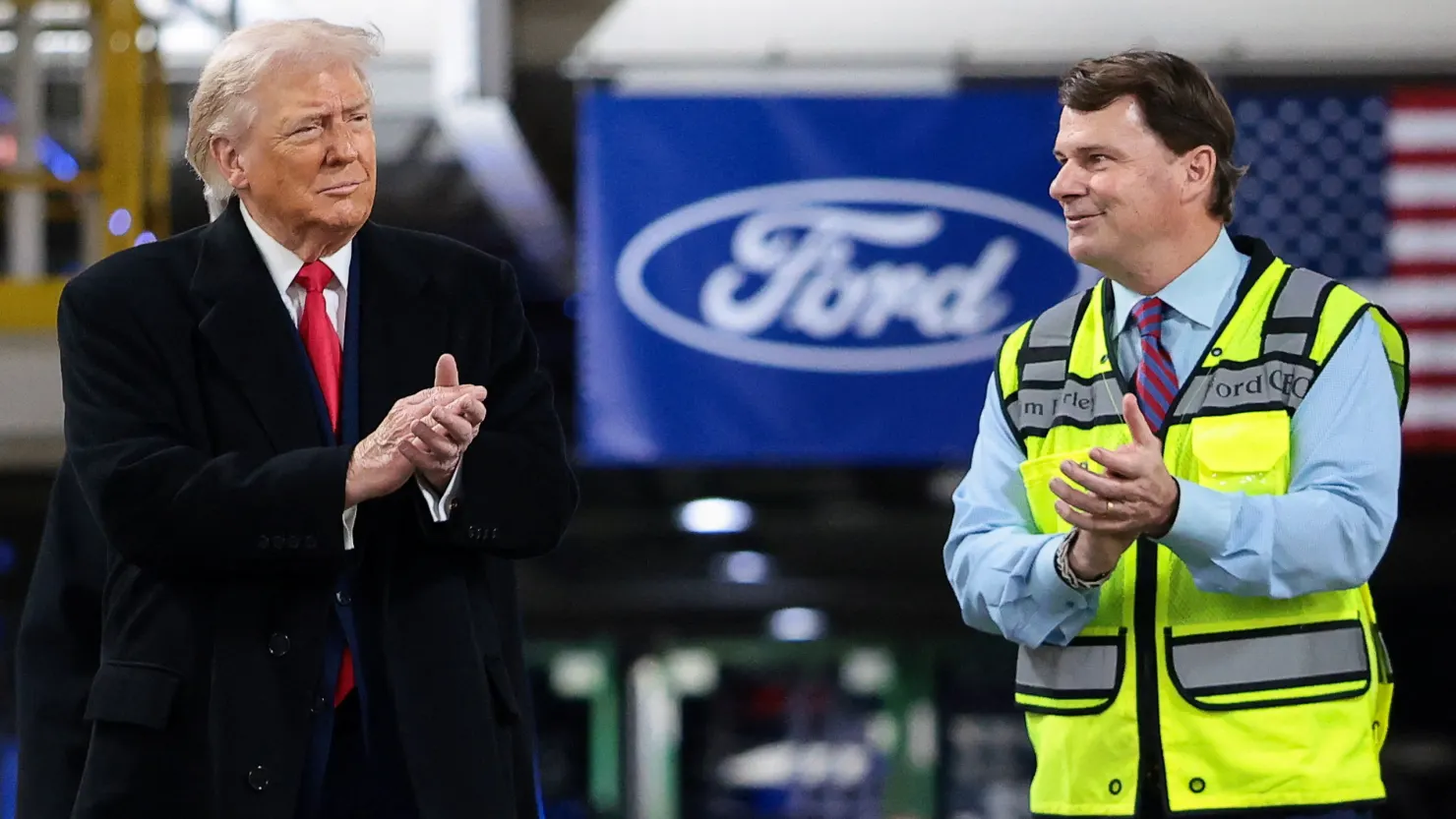
Jeffries also criticized several policies advanced by President Donald Trump and Republican leaders, framing the upcoming elections as a choice between competing governing philosophies. According to the House Democratic leader, maintaining party unity will strengthen Democrats’ ability to present a cohesive legislative agenda during the general election campaign.
Political analysts note that congressional leaders often seek to minimize divisions following primary elections in order to consolidate support before November contests.
Housing and Foreign Policy Remain Central Legislative Issues
Beyond party organization, Jeffries addressed several policy matters expected to remain prominent throughout the election season. He expressed optimism regarding bipartisan efforts aimed at improving housing affordability, suggesting that legislation receiving support from both parties could continue advancing through the federal government.
Jeffries also discussed U.S. foreign policy, criticizing the administration’s handling of developments in the Middle East and outlining the Democratic Caucus’s position on recent military and diplomatic decisions.
As Congress continues debating domestic and international priorities, Democratic leaders are expected to balance policy discussions with campaign efforts designed to strengthen the party’s position ahead of the general election. Jeffries’ emphasis on unity reflects a broader strategy of presenting a coordinated message despite ideological differences that naturally emerge during competitive primary campaigns.