
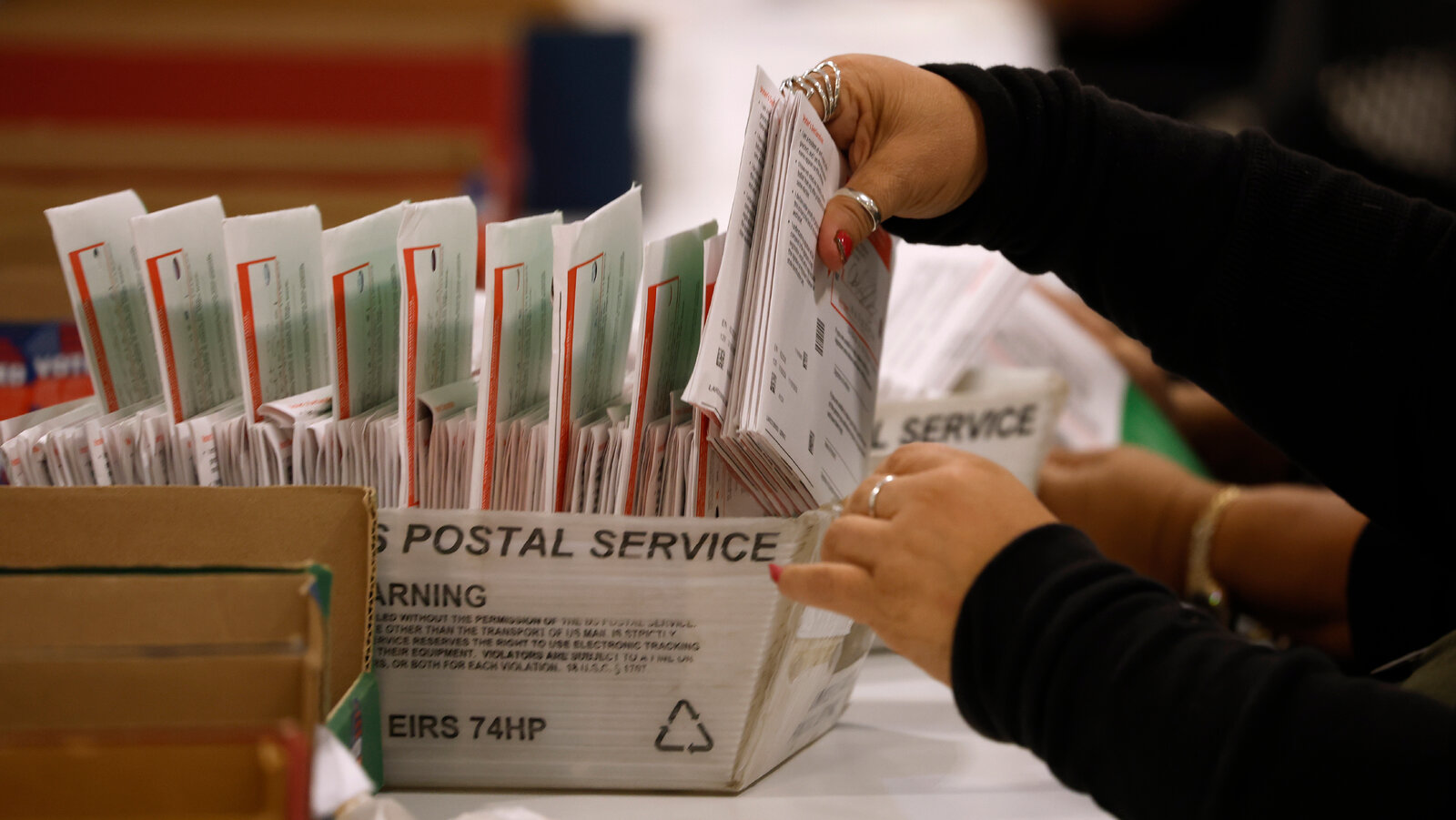
The Trump mail voting executive order has encountered a significant legal obstacle after a federal judge in Boston temporarily blocked several of its central provisions. This decision affects multiple states ahead of the upcoming general election. Moreover, it represents the latest chapter in an ongoing legal dispute over the scope of presidential authority in federal election administration.
The executive order sought to introduce new federal procedures involving mail-in voting, including greater coordination between federal agencies and state election systems. However, the court concluded that several of the proposed measures likely exceed the constitutional powers granted to the executive branch.
The ruling currently applies to nearly two dozen states and the District of Columbia that challenged the order in federal court. In addition, legal experts expect the dispute to continue through the appeals process before a final resolution is reached.
Official federal court information is available through https://www.uscourts.gov” target=”_blank” rel=”noopener noreferrer”>United States Courts.
Federal Judge Rules President Lacks Authority Over Election Administration
At the center of the dispute is the constitutional division of authority over federal elections. The executive order directed federal agencies to participate in developing voter eligibility lists. It also proposed new procedures affecting the delivery of absentee ballots through the United States Postal Service.
In its decision, the federal court determined that the Constitution assigns primary responsibility for establishing election rules to Congress and the individual states rather than the President. Furthermore, the ruling also concluded that the Postal Service does not possess independent legal authority to regulate access to mail-in voting.
The judge emphasized that presidential authority does not extend to creating new election administration requirements without congressional authorization. As a result, several portions of the executive order were blocked from taking effect while litigation continues.
The ruling does not affect mail-in voting already underway in current primary elections. However, it is expected to influence preparations for the upcoming general election in the jurisdictions covered by the decision.
Information regarding federal election administration can be found through https://www.eac.gov” target=”_blank” rel=”noopener noreferrer”>U.S. Election Assistance Commission.
States Challenge New Mail Voting Requirements
The lawsuit was brought by a coalition of states along with the District of Columbia. They argued that the executive order would create substantial administrative burdens and interfere with long-established state election procedures.
Among the disputed provisions were directives encouraging the creation of centralized voter eligibility lists using information shared between federal agencies and state election officials. Additionally, questions also arose regarding proposals affecting the delivery of absentee ballots through the Postal Service.
State officials challenging the order argued that election administration has traditionally remained under state control except where Congress has enacted specific federal standards. They further contended that the executive order introduced requirements not authorized by existing law.
The coalition maintained that implementing the directives could create uncertainty for election officials responsible for administering mail voting systems ahead of national elections.
Additional election resources are available through https://www.nass.org” target=”_blank” rel=”noopener noreferrer”>National Association of Secretaries of State.
Appeals Expected as Legal Battle Over Mail Voting Continues
The latest ruling is unlikely to be the final word on the controversy. The federal government is expected to appeal the decision, while separate litigation involving similar legal questions continues in other federal courts.
The broader constitutional debate centers on the balance of authority between the executive branch, Congress, and the states in establishing election procedures. Therefore, legal scholars expect appellate courts to closely examine whether the challenged directives fall within existing presidential powers or require legislative approval.
The outcome could influence future executive actions involving election administration and clarify the extent to which federal agencies may participate in state-managed voting systems. Until higher courts issue additional rulings, the temporary injunction will prevent the affected portions of the executive order from being implemented in the states covered by the decision.
The continuing litigation highlights the importance of constitutional separation of powers in election administration and is expected to remain closely watched as preparations for future federal elections continue.
Further information regarding federal voting rights and election laws is available through https://www.justice.gov/crt/voting-section” target=”_blank” rel=”noopener noreferrer”>U.S. Department of Justice Voting Section.